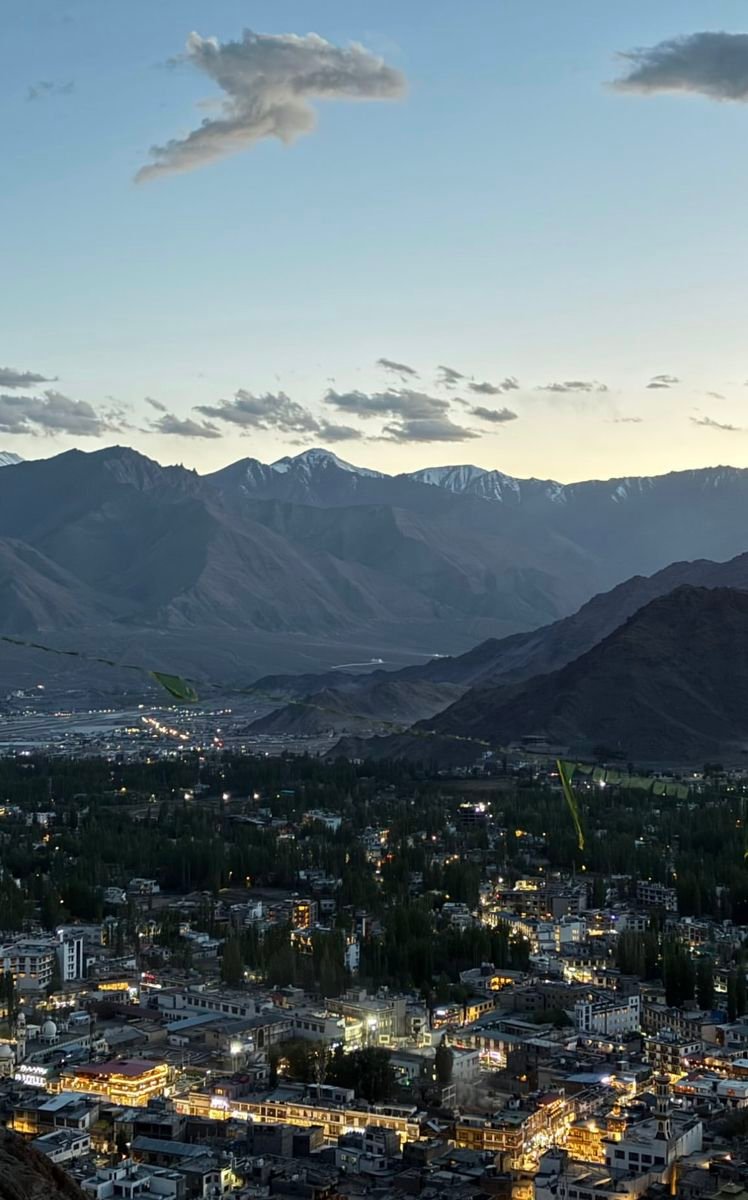
Discover Leh Ladakh: The Ultimate Travel Guide to the Land of High Passes & Hidden Valleys
When most people plan a trip to Leh Ladakh, they follow the same rushed tourist checklist: fly into Leh, click a frantic selfie at Khardung La, spend 20 minutes at the crowded shooting point of Pangong Lake, and fly back with a splitting altitude headache.
But at The Valley of Depth, we don’t do rushed, commercialized tourism. Ladakh (literally La-tags, meaning the “Land of High Passes”) is a vast trans-Himalayan universe trapped between the towering Karakoram and Great Himalayan ranges. It is a land where golden Buddhist monasteries cling to vertical crags, emerald apricot orchards bloom along the Pakistan border in Baltistan, double-humped camels roam white desert dunes at 10,000 feet, and the Milky Way shines so brightly over Hanle that it casts a shadow on the desert floor.
Whether you are planning a safe, well-acclimatized family holiday, wondering if it is safe to bring an infant or elderly parent, renting a Himalayan 450 in Leh with your friends to conquer the world’s highest motorable pass at Umling La (19,024 ft), or riding the raw dirt tracks of Zanskar to stand before Gonbo Rangjon, this exhaustive, place-by-place master guide covers every classic hub and untouched secret valley across Leh Ladakh.
General Overview of Leh Ladakh
Before diving into specific destinations, here is the universal culture, circuit timing, and family medical reality across the Union Territory:
- The People & Culture: Everywhere you go in Ladakh, you will be greeted with a warm smile and the word “Julley!” (pronounced Joo-lay—meaning Hello, Thank You, and Goodbye). Culturally, Ladakh is a rich mosaic of four distinct worlds: Tibetan Buddhism in Leh, Nubra, and Zanskar; Balti & Purgi Shia Muslim heritage in Kargil and Turtuk; the nomadic Changpa pastoralists who herd Pashmina goats across the freezing Changthang plateau; and the Brokpa (Dard Aryan) tribe in the Dah-Hanu valley.
- Traditional Food: Engineered for extreme high-altitude survival, Ladakhi cuisine relies on roasted barley (Tsampa), yak dairy, and slow-simmered broths. Must-try dishes include Thukpa (hearty hand-pulled noodle soup with vegetables or yak/mutton meat), Skyu and Chhutagi (thumb-pressed wheat pasta bow-ties slow-cooked in a rich root-vegetable or meat stew), Tingmo (fluffy steamed spiral buns), Khambir (crusty traditional fermented sourdough brown bread served with apricot jam and yak butter), Chhurpi (hardened yak-milk cheese), Gur-Gur Chai (pink salted butter tea churned in cylindrical wooden barrels), Chhang (traditional fermented barley beer), and tart Sea Buckthorn (Leh Berry) juice.
- Traditional Dress: Both men and women wear the Goncha (or Kos)—a thick, ankle-length woollen or velvet robe tied at the waist with a vibrant cloth sash called a Skerag. Over the shoulders, women wear the Bok or Yogar (a goatskin or embroidered wool cape lined with sheepskin to fight freezing winds). On ceremonial occasions, Ladakhi women wear the Perak—a magnificent cobra-hood-shaped headdress encrusted with dozens of uncut heirloom Turquoise and Coral stones passed down from mother to daughter.
- Festivals: Hemis Festival (Hemis Tsechu) (held in June/July to celebrate the birth of Guru Padmasambhava with sacred masked Chham dances and the unfurling of a giant multi-story silk Thangka), Losar (Ladakhi New Year in December), Dosmoche (February’s “Festival of the Scapegoat” at Leh Palace and Diskit), Apricot Blossom Festival (April in Turtuk, Dah-Hanu, and Sham Valley), and the Ladakh Festival (September).
2026 Financial & ATM Blueprint (Where UPI Works & Where It Fails):
- Leh Town & Kargil: Fully digitized. Major hotels, supermarkets, restaurants, and fuel pumps accept UPI (Google Pay/PhonePe) and cards effortlessly, and Leh Main Bazaar has multiple reliable ATMs (SBI, HDFC, J&K Bank, PNB).
- Outside Leh (Nubra, Pangong, Hanle, Zanskar, Turtuk): UPI and digital payments are completely unreliable. Cellular data towers frequently drop out, meaning QR codes will not load. ATMs outside Leh Town are virtually nonexistent or permanently out of cash. You must carry ample physical cash (at least ₹5,000 to ₹10,000 per person) withdrawn from Leh before embarking on any remote circuit.
The Valley of Depth Master Medical Guide: Newborns, Infants, Families & Seniors in Ladakh
Before booking tickets, every parent must understand how extreme altitude affects young lungs and elderly hearts:
- Newborns (0 to 3 Months) & Young Infants (3 to 18 Months) — STRICTLY NO: Medical and pediatric high-altitude guidelines strongly advise against taking newborns or babies under 18 months to Ladakh. At 11,500 to 17,500 feet, barometric pressure drops and effective oxygen is 35% to 50% lower than in Delhi. A newborn’s alveoli (lung air sacs) are still developing and cannot handle hypobaric hypoxia. Worse still, babies cannot speak to tell you they have a splitting frontal headache, vertigo, or nausea—the earliest warning signs of fatal Acute Mountain Sickness (AMS). In infants, AMS looks identical to normal travel crankiness (crying, refusal to feed, lethargy, or Vomiting), meaning parents often realize the baby has High Altitude Pulmonary Edema (HAPE) far too late. Wait until your child is at least 3 to 4 years old and can clearly communicate how their head and chest feel. Leh Ladakh+ 1
- Toddlers (2 to 4 Years) — High Caution (Only via Srinagar Route): If you must travel with a toddler over 2 years old, never fly directly into Leh and never enter via the Manali–Sarchu highway. You must drive in gradually via the Srinagar -> Sonamarg -> Kargil (8,780 ft) -> Alchi (10,200 ft) -> Leh (11,562 ft) highway so their body adjusts over 3 days. Never sleep overnight at Pangong Lake (14,270 ft) or Tso Moriri (14,836 ft) with a toddler. Discover with Dheeraj
- Children (5+ Years) & Teenagers — Suitable with 48-Hour Acclimatization: Kids aged 5 and above do wonderfully in Ladakh provided you enforce complete hotel rest for the first 48 hours in Leh, carry an electric travel kettle (to boil drinking water and prepare warm milk/formula at 2:00 AM without waking hotel staff), apply SPF 50+ child-safe sunscreen and UV-400 sunglasses (high-altitude UV rays burn young corneas and skin rapidly), and offer small, frequent sips of ORS/water (never force-feed huge amounts of plain water, which causes dangerous low blood sodium/hyponatremia in kids). Discover with Dheeraj
- Senior Citizens (60+ Years): Fit seniors without uncontrolled blood pressure, coronary artery disease, or asthma/COPD can comfortably visit Leh, Sham Valley (Alchi), Kargil, and Nubra Valley (10,000 ft). Carry a finger pulse oximeter (resting SpO2 in Leh should stay between 85% and 92%; if resting SpO2 drops below 80%, put them on portable oxygen and visit SNM Hospital in Leh immediately). Motorcycle & Cab Rental Leh Ladakh
Master Circuit Time & Route Blueprint: Where to Start & Where to End
- The Fly-In / Fly-Out Classic Circuit (7 to 8 Days):
- Where to Start: Kushok Bakula Rimpochee Airport, Leh (IXL).
- The Route Sequence: Leh (Days 1–2 Acclimatization) -> Sham Valley / Alchi (Day 3) -> Khardung La -> Nubra Valley / Hunder (Day 4) -> Turtuk Day Trip (Day 5) -> Shyok River Road -> Pangong Lake (Day 6) -> Chang La Pass -> Leh (Day 7) -> Fly out of Leh (Day 8).
- The Complete Himalayan Overland Loop (11 to 14 Days — Best Acclimatization):
- Where to Start: Srinagar (Jammu & Kashmir) — Always start in Srinagar (5,200 ft) so you climb gradually! Cosmic Scanner
- Where to End: Manali (Himachal Pradesh) — Exit via the high passes of Manali once your blood is fully acclimatized! Cosmic Scanner
- The Route Sequence: Srinagar -> Sonamarg -> Zojila Pass -> Drass -> Kargil -> Lamayuru -> Alchi -> Leh -> Khardung La -> Nubra & Turtuk -> Shyok -> Pangong Tso -> Chushul -> Hanle & Umling La -> Tso Moriri -> Tso Kar -> Moore Plains -> Baralacha La -> Jispa -> Atal Tunnel -> End at Manali (1,650 to 1,900 km total). Cosmic Scanner
Part 1: The Classic & Extended Hubs (With Secret Outskirts)
1. Leh Town, Sham Valley & Alchi: Hilltop Palaces, Sacred Confluences & 1,000-Year-Old Monasteries
Perched at 11,562 feet in the upper Indus River valley, Leh is the historic capital of the Himalayan kingdom of Ladakh. Because of the thin mountain air, Leh and the lower-altitude Sham Valley (“The Apricot Valley”) west of town serve as your mandatory acclimatization basecamp before you climb any high mountain passes.
- Why Go & Famous For: Leh is famous for its 9-story mud-and-stone Royal Palace, gleaming white Shanti Stupa, bustling Tibetan markets, and the Sham Valley circuit—home to the dramatic Indus–Zanskar River Confluence (Sangam), Magnetic Hill, the moon-like craters of Lamayuru, and the 1,000-year-old painted murals of Alchi Monastery.
- Best Season: April to June (pleasant 12°C–24°C days, blooming pink apricot orchards in Sham Valley, and vivid green emerald water at Sangam) and September to October (golden-yellow poplar trees and crystal-clear skies). Winter (November to March) plunges to -15°C and is reserved for hardy winter travelers and Chadar Frozen River Trek enthusiasts.
- Time Needed, Where to Start & Where to End:
- Total Time Required: 3 to 4 Full Days (including the mandatory 48-hour acclimatization window). rideandfire.in
- Where to Start: Start directly at your Leh Hotel (if flying into Leh Airport) or start from Lamayuru (if driving in from Kargil/Srinagar).
- Day-by-Day Flow & Where to End:
- Day 1 (Start at Leh Airport -> End at Leh Hotel): Complete bed rest for the first 24 hours to acclimatize. Optional 30-minute slow evening stroll in the flat Leh Main Bazaar. Motorcycle & Cab Rental Leh Ladakh
- Day 2 (Start at Leh Market -> End at Shanti Stupa | 4–5 Hours): Gentle local loop covering Hall of Fame -> Spituk Monastery -> Leh Palace -> Sankar Gompa -> Sunset at Shanti Stupa (25 km total driving).
- Day 3 (The Sham Valley Circuit | Start at Leh -> End at Alchi/Lamayuru or Return to Leh | 7–8 Hours): Depart Leh at 8:30 AM via NH1 West -> Gurudwara Pathar Sahib (25 km) -> Magnetic Hill (28 km) -> Indus–Zanskar Sangam at Nimmu (35 km) -> Basgo Fort (42 km) -> Likir Monastery -> Alchi Monastery (65 km) -> Lamayuru Moonland (115 km). End your day either by sleeping in a peaceful orchard resort in Alchi/Ulley (10,200 ft) or driving 2.5 hours back to end at Leh.
- Day 4 (East Indus Monastery Loop | Start at Leh -> End at Leh | 5–6 Hours): Leh -> Shey Palace -> Thiksey Monastery -> Hemis Monastery -> Stok Palace Museum -> End back in Leh (90 km round-trip).
- The 48-Hour Leh Acclimatization Blueprint: Where to Go & What to Do (Day 1 & Day 2)
- When travellers hear the rule “You must acclimatize in Leh for 48 hours,” most assume they have to lock themselves inside a dark hotel room and stare at the ceiling for two days straight. Conversely, impatient travellers make the fatal mistake of renting a bike three hours after landing and riding straight up toward Khardung La—ending up on an oxygen drip at SNM Hospital by midnight.
- At The Valley of Depth, we follow the golden rule of high-altitude physiology: “Rest First, Walk Flat, Let the Engine Climb, and Sleep Low.”
- When you fly from Delhi (700 ft) to Leh (11,562 ft), effective oxygen in every breath drops by roughly 35% in just 90 minutes. Your body immediately begins hyperventilating slightly and producing a hormone called erythropoietin (EPO) to manufacture more red blood cells—a biological upgrade that takes 36 to 48 hours. Here is your exact hour-by-hour itinerary of where you can safely go and what you can do during those crucial first two days without triggering Acute Mountain Sickness (AMS).
- Day 1 (Hours 0 to 24): The “Zero-Incline” Window
- The Goal: Keep your heart rate below 100 BPM, stay strictly on the flat valley floor of Leh (11,500 ft), and let your lungs adjust to the thin air.
- 1. Morning to 4:00 PM: The Hotel Protocol (And the “90-Minute Nap Trap”)
- Check-in & Hydrate Immediately: Flights into Leh land between 6:30 AM and 10:30 AM. Have your pre-paid airport taxi drop you straight at your hotel. Drink a warm bowl of Ladakhi Garlic Soup (garlic is a natural vasodilator that helps blood flow in thin air), Gur-Gur Chai (salted butter tea—the salt and fat replenish electrolytes rapidly), or warm water with ORS.
- ⚠️ Beware the “Daytime Deep Sleep Trap”: You will feel sleepy after your early morning flight, but do NOT sleep deeply for 4 to 5 hours straight during the day. When you fall into a deep daytime sleep on Day 1, your breathing rate naturally slows down (sleep hypoventilation), causing your blood oxygen saturation (SpO2) to plummet into the low 70s—waking you up at 3:00 PM with a blinding frontal migraine! Instead, rest in bed propped up on two pillows, read a book, listen to music, and keep your daytime nap under 60 to 90 minutes.
- 2. Evening (4:30 PM to 7:30 PM): 4 Safe, Flat-Ground Places to Visit on Day 1
- If your head feels clear and your resting SpO2 is above 85% by 4:30 PM, step out for a slow, gentle evening stroll. Rule: Take a taxi or auto to the market drop-off point and stick strictly to flat, paved lanes with zero stairs.
- Spot 1: The Leh Main Bazaar Pedestrian Promenade
- Why It’s Safe for Day 1: Completely flat, car-free red-brick pavement at 11,500 feet.
- What to Do: Walk at half your normal city speed beneath strings of fluttering Tibetan prayer flags. Watch local Ladakhi grandmothers in traditional Gonchas spinning handheld prayer wheels, browse the fixed-price pashmina weaves at the Looms of Ladakh Cooperative, and grab a rooftop balcony seat at Brazil Cafe or Lehvenda Cafe to sip hot Sea Buckthorn tea while watching the snow peaks of the Stok Kangri range turn pink at dusk.
- Spot 2: Soma Gompa (Leh Jokhang) & Jama Masjid
- Why It’s Safe for Day 1: Located right in the center of Main Bazaar on flat ground with zero hill climbs.
- What to Do: Step inside the tranquil courtyard of Soma Gompa (built in 1957 by the Ladakh Buddhist Association), spin the giant brass prayer wheels clockwise, and admire the historic 1666 CE Jama Masjid standing right next door—built following a historic treaty between Mughal Emperor Aurangzeb and King Deldan Namgyal.
- Spot 3: The Central Asian Museum (Silk Route Caravanserai)
- Route & How to Reach: Tucked in a quiet tree-shaded courtyard right behind Jama Masjid (access via the narrow lane beside the SBI ATM on Main Bazaar).
- Why Go: Built inside a restored 17th-century Silk Route Caravanserai (trader’s inn), this remarkable four-story Lhasa-style stone-and-juniper tower brings Ladakh’s history as the crossroads between Yarkand, Kashgar, Tibet, Baltistan, and Kashmir to life. Explore ancient caravan saddles, silver coins, manuscripts, and a traditional Ladakhi show-kitchen on the ground floor. (Timings: 10:00 AM to 6:00 PM; Entry Fee: ₹50 for Indians / ₹100 for Foreigners).
- Spot 4: Lower Changspa Creekside Cafe Walk
- What to Do: Walk 500 meters along the shaded willow lane of Lower Changspa beside the gurgling glacial stream. Have an early, light carbohydrate dinner (steamed Veg/Mutton Momos, Thukpa, or wood-fired pizza) at The Tibetan Kitchen (Fort Road) or Bon Appetit (Changspa) and get into bed by 9:00 PM.
- Day 2 (Hours 24 to 48): The “Let the Engine Climb” Window
- The Goal: By morning on Day 2, your lungs have begun adapting. You can now explore Leh’s iconic hilltop palaces, monasteries, and military museums—provided you let a taxi or rented bike do 100% of the uphill climbing and you descend back to sleep at or below 11,500 feet.
- Bachelor & Rider Note for Day 2: Afternoon on Day 1 or morning on Day 2 is the best time to visit the rental shops on Fort Road / Changspa to test-ride and rent your Leh-registered (“LA” plate) motorcycle or 125cc scooty for the trip! Doing a 30–40 km local test loop around Leh on Day 2 lets you check the bike’s brakes, clutch play, and suspension while mechanics are still nearby.
- Morning (8:30 AM to 1:00 PM): Choose Your Circuit Based on How You Feel
- Option A: If You Have Zero Headache — The Lower Indus & Military Heritage Loop (Drops in Altitude!)
- 1. Spituk Monastery (8 km from Leh | 10,800 ft):
- Why Start Here: Spituk actually sits 700 feet LOWER than Leh Town! Perched on a conical rock hill right at the edge of the Leh Airport runway, this 11th-century Red-Hat/Yellow-Hat monastery houses a mystic chapel dedicated to Palden Lhamo (Kali Mata), where the deities’ faces are kept veiled all year except during the winter Spituk Gustor festival. Bonus: From the monastery courtyard, you get jaw-dropping, eye-level views of Indian Air Force C-17 Globemasters, fighter jets, and commercial flights banking sharply between snow peaks to land just meters away! (Entry: ₹30).
- 2. Indian Army Hall of Fame Museum (4 km from Leh on Leh–Kargil Road):
- Why It’s Great for Acclimatization: Completely flat, paved walkways with zero steep stairs.
- What to See: Maintained by the Indian Army’s Fire & Fury Corps, this two-story museum houses captured Pakistani weaponry from the 1999 Kargil War, the poignant “Last Letter” written by Captain Vijayant Thapar to his family hours before his martyrdom at Knoll, and an exhibition of extreme-cold combat gear worn by troops at -50°C on the Siachen Glacier. (Timings: 9:00 AM – 1:00 PM & 2:00 PM – 7:00 PM; Entry Fee: ₹25–₹50 per person + ₹50 camera fee).
- 3. General Zorawar Fort (Right Across from Hall of Fame):
- What to See: Built in 1836 out of sun-dried clay, mud, and local river stones by the legendary Dogra commander General Zorawar Singh (“The Napoleon of India”), this flat-ground fortress houses a newly curated military museum, royal Namgyal dynasty coins, stamps, and ancient matchlock rifles. (Timings: 9:00 AM – 5:00 PM; Entry Fee: ₹30–₹50 Indians).
- Option B: If You Prefer Royal Palaces & Art — The Old Leh Heritage Loop
- 1. Leh Palace (Lachen Palkhar | 11,800 ft) — Drive to the Top Gate:
- Crucial Acclimatization Rule: Do NOT walk up the steep, breathless cobblestone alleys from Leh Market to Leh Palace on Day 2! Take a taxi (₹250) or ride your rented scooty/bike 2.5 km up the paved back road right to the upper palace entrance parking lot.
- What to See: Built in the early 1600s by King Sengge Namgyal, this towering 9-story fortress of rammed earth and juniper timber was the architectural inspiration for the Potala Palace in Lhasa. Explore the ASI museum exhibitions of 400-year-old Tibetan Thangkas painted with crushed gemstones, the central prayer hall (Dukhang), and the sunlit wooden rooftop decks overlooking the entire Indus basin. (Timings: 7:00 AM – 7:00 PM; Entry Fee: ₹25 Indians / ₹300 Foreigners).
- 2. LAMO Center (Munshi Togdan House — Right Below Leh Palace):
- What to See: Step 50 meters down from Leh Palace into the Ladakh Arts and Media Organisation (LAMO), housed inside two restored 17th-century noble mansions belonging to the royal secretaries (Munshis) of the Namgyal kings. It is one of Leh’s best-kept secrets—featuring quiet contemporary Ladakhi art galleries, archival black-and-white photography of old Ladakh, and open terraces with zero tourist crowds.
- 3. Sankar Gompa (2 km from Main Market):
- Why Go: Tucked inside flat, green willow and barley fields in Sankar village, this serene branch monastery of Spituk requires zero stair-climbing and houses a dazzling statue of Avalokiteshvara with 1,000 arms and 1,000 eyes. (Timings: Open only 7:00 AM – 10:00 AM & 5:00 PM – 7:00 PM, as monks walk into Leh town during midday; Entry Fee: ₹20).
- Afternoon (1:30 PM to 4:30 PM): Heritage Dining & Low-Altitude Eco-Excursions
- 1:30 PM — Book a Traditional Ladakhi Heritage Lunch:
- Skip generic hotel buffets and walk into Alchi Kitchen (Main Bazaar) or Namza Dining (set inside an apricot orchard in Zangsti). Order a slow-cooked Ladakhi platter featuring Chhutagi (bow-tie wheat pasta in rich vegetable/meat broth), Khambir (fermented sourdough bread with yak cheese), and Yarkandi Pulav—high-energy, easily digestible meals that fuel altitude adaptation.
- 3:00 PM — Tour the SECMOL Campus in Phey (18 km West of Leh | 10,800 ft):
- Why It’s the Best Day 2 Afternoon Outing: Drive 25 minutes down the smooth Leh–Srinagar highway to Phey Village (10,800 ft—lower than Leh!) to visit the world-famous SECMOL Alternative School Campus (co-founded by innovator Sonam Wangchuk, the real-life inspiration behind Phunsukh Wangdu in 3 Idiots).
- What to Do: Every afternoon between 2:00 PM and 5:00 PM (Monday to Saturday), students conduct free, inspiring 45-minute guided tours showing how their earth-rammed mud buildings stay at +15°C without burning a drop of fossil fuel even when outside winter temperatures hit -25°C, alongside solar cookers and ice-stupa models!
- Evening (5:00 PM to 8:00 PM): Sunset & The Laser Sound Show
- 5:15 PM — Sunset at Shanti Stupa (By Vehicle Only!):
- Crucial Rule: There are 500 steep concrete steps leading from Changspa Road up to Shanti Stupa. Do NOT climb those stairs on Day 1 or Day 2! Instead, drive or ride up the 3 km paved road straight to the upper parking lot right behind the stupa dome.
- The Experience: Walk flat onto the white marble terrace at 11,840 feet, pay the ₹30 entry fee, and watch the golden sunset light up Leh Palace across the valley while the snow-clad peaks of Stok Kangri and Khardung La glow crimson.
- 7:00 PM — The “Last Bastion” Light & Sound Show (Hall of Fame / Zorawar Fort):
- Wrap up your 48-hour acclimatization by attending the open-air evening Light & Sound Show at the Hall of Fame (or the laser projection show at General Zorawar Fort). Pack a heavy down jacket, woollen beanie, and gloves—temperatures drop rapidly once the sun goes behind the mountains—and watch the heroic story of Ladakh’s soldiers unfold against the desert mountains (Ticket: ₹100–₹150).
- ⚠️ The “Red Zone”: 5 Things You Must NEVER Do During Your First 48 Hours in Leh
- NEVER hike up to Namgyal Tsemo Maitreya Gompa on Day 1 or Day 2: While Leh Palace is safe if you drive to the gate, the jagged red-and-white fortress of Namgyal Tsemo sits 500 vertical feet higher above Leh Palace on a razor-sharp ridge. Climbing that steep footpath in your first 48 hours spikes your heart rate to 160+ BPM and is the #1 trigger for Day-2 altitude sickness in Leh. Save Tsemo for the end of your trip when you return from Nubra/Pangong!
- NEVER drink alcohol, cold beer, or smoke for the first 48 hours: Even a single pint of beer on Night 1 acts as a respiratory depressant—it slows down your brain’s breathing reflex while you sleep, dehydrates your cells, and masks early symptoms of AMS under a hangover.
- NEVER take a cold shower on Day 1: Even if the afternoon sun feels warm, bathing in cold tap water at 11,500 feet causes sudden peripheral vasoconstriction (your blood vessels slam shut to conserve core heat), spiking blood pressure and triggering shivering exhaustion. Skip showering on Day 1 or use only warm geyser water.
- NEVER ignore a persistent headache accompanied by nausea: A mild, dull temple headache on Evening 1 that goes away after drinking warm water, eating soup, and taking a basic paracetamol is normal altitude adjustment. However, a throbbing headache that worsens when you bend over, accompanied by dizziness, vomiting, or breathlessness while sitting still, means you have active AMS—do not ascend toward Khardung La on Day 3; take an extra rest day in Leh or descend to Alchi (10,200 ft).
- NEVER hold your breath while lifting heavy luggage or bending down to tie shoelaces: In Leh’s thin air, people subconsciously hold their breath when lifting a heavy rucksack or suitcase up hotel stairs—causing instant dizziness and spots in your vision. Always let the hotel staff carry your bags on Day 1, and breathe consciously and steadily when walking up even a single flight of hotel stairs.
- Newborn, Infant, Family & Elderly Suitability (Detailed Assessment):
- Newborns & Babies (Under 18 Months): Strictly NOT Recommended. Flying a baby from Delhi (700 ft) straight to Leh Airport (11,562 ft) exposes immature lungs to a sudden 35% drop in oxygen within 90 minutes, creating a high risk of infantile subacute mountain sickness and pulmonary fluid buildup.
- Toddlers (2–4 Years) & Kids (5+ Years): Suitable for Kids 5+ (with strict rest). If traveling with young children or toddlers, do NOT stay in upper Leh on Night 1—instead, have your airport taxi drive you 1.5 hours downhill along the Indus River to Alchi, Saspol, or Ulley (10,000 to 10,200 ft). That 1,500-foot drop in elevation makes a massive difference for a child’s sleep and oxygen levels on the first two nights!
- Senior Citizens (60+ Years): Highly Suitable. Leh Town has the best medical safety net in Ladakh (SNM Government Hospital with a 24/7 high-altitude hyperbaric oxygen chamber, plus the Indian Army Hospital). Book hotels on flat ground in Lower Tukcha or Karzoo (avoid steep hill climbs in Upper Changspa) with central heating and in-room oxygen concentrators.
- Pro-Tip for Bachelors & Solo Travelers (The Leh Bike Union Rule): Renting a motorcycle or scooter in Leh (along Fort Road or Changspa Road) is a rite of passage.
- 2026 Rental Tariffs: 125cc Scooters (Activa/NTorq): ₹700 to ₹900/day. Royal Enfield Classic 350 / Scram 411: ₹1,300 to ₹1,600/day. Royal Enfield Himalayan 411 / New Himalayan 450: ₹1,800 to ₹2,400/day.
- Where You CAN Ride a Scooty: A gearless scooter is great for exploring Leh Town, Shanti Stupa, Thiksey Monastery, Hemis Monastery, and the smooth four-lane tarmac of the Sham Valley circuit (Sangam, Magnetic Hill, Alchi, and Lamayuru).
- CRITICAL Union Rule: Bikes rented outside Ladakh (from Manali, Delhi, or Srinagar) are strictly BANNED by the Ladakh Bike Union from doing local sightseeing circuits (Nubra, Pangong, Tso Moriri, Hanle). Outside rental bikes can only drop you at Leh. To explore inside Ladakh, you must either ride a personal bike registered in your own (or your father’s/blood relative’s) name, or rent a Leh-registered (“LA” number plate) motorcycle in Leh!
- How to Reach from Delhi:
- By Air (Fastest): Direct 1.5-hour early morning flights from New Delhi (DEL) to Kushok Bakula Rimpochee Airport, Leh (IXL). Grab a window seat (Seat A going in, Seat F flying back) for one of the most spectacular aerial views of the Himalayas on Earth.
- By Road — Route 1 (The Srinagar–Leh Highway NH1): Delhi -> Jammu -> Srinagar -> Sonamarg -> Zojila Pass (11,575 ft) -> Drass -> Kargil (Night Halt) -> Lamayuru -> Leh (1,250 km total; 2 days from Srinagar). Best road route for gradual family acclimatization. Cosmic Scanner+ 1
- By Road — Route 2 (The Manali–Leh Highway NH3): Delhi -> Manali -> Atal Tunnel -> Jispa/Sarchu (Night Halt) -> Baralacha La (16,040 ft) -> Nakee La -> Lachulung La -> Moore Plains -> Tanglang La (17,480 ft) -> Leh (1,010 km from Delhi; open late May to October).
Key Spots (The Classic Leh & Sham Valley Route):
- Spiritual & Heritage (In & Around Leh):
- Leh Palace: Built in the 17th century by King Sengge Namgyal, this towering 9-story dun-colored palace is the architectural predecessor to Lhasa’s Potala Palace (Entry: ₹25 Indians / ₹300 Foreigners).
- Shanti Stupa: Built by Japanese and Ladakhi Buddhists atop a steep hill in Changspa; climb the 500 steps (only on Day 3+!) or drive up for a sweeping bird’s-eye view of Leh ringed by snow-capped Stok Kangri peaks.
- Thiksey & Hemis Monasteries (Indus Valley East): Drive 19 km east of Leh to Thiksey Monastery, stacked across a hillside with a 49-foot gilded statue of the Maitreya (Future) Buddha (arrive at 6:00 AM for the morning chanting ceremony with butter tea!). Continue 25 km further to Hemis Monastery, the wealthiest and largest monastic institution in Ladakh, housing a subterranean museum of ancient copper-gilt stupas and weaponry.
- The Sham Valley Day Circuit (NH1 West of Leh):
- Hall of Fame & Spituk Monastery: Start 4 km from Leh at the Indian Army’s deeply moving Hall of Fame Museum (Entry: ₹100; Evening Light & Sound Show: ₹150), dedicated to the heroes of the 1999 Kargil War and Siachen Glacier.
- Gurudwara Pathar Sahib: Located 25 km from Leh, maintained by the Indian Army. It houses a sacred boulder bearing the hollow imprint of Guru Nanak Dev Ji’s shoulders and back from 1517 CE, when a boulder rolled down the hill to crush him miraculously softened like warm wax upon touching his body!
- Magnetic Hill & Sangam (Indus–Zanskar Confluence): Pause at Magnetic Hill (where an optical illusion makes vehicles in neutral appear to roll uphill), then descend to Sangam at Nimmu—the dramatic canyon viewpoint where the emerald-green Indus River collides with the glacial-blue/muddy Zanskar River.
- Adventure (Zanskar River Rafting & ATV): At Sangam/Chilling, ride Grade II to IV white-water rapids through the deep Zanskar gorge (₹1,500 to ₹3,000 per person depending on distance) or ride ATVs at Magnetic Hill (₹1,000).
- Alchi & Lamayuru (“The Moonland”): Drive 65 km west of Leh to Alchi Monastery (Choskor)—set on flat ground along the Indus banks, housing 10th-century Indo-Kashmiri wooden carvings and miniature frescoes that survived centuries untouched. Continue 50 km further to Lamayuru Monastery, perched above bizarre, wind-eroded pale yellow clay formations identical to the surface of the moon.
Hidden Gems & Offbeat Trails (Just outside Leh & Sham):
- Basgo Fort & Maitreya Temples: Perched on dramatic red-sandstone pinnacle cliffs 40 km west of Leh (right off NH1, yet skipped by 90% of cabs), these 15th-century ruined mud-brick citadel towers and golden Maitreya shrines look straight out of Dune.
- Chilling (The 400-Year-Old Coppersmith Village) & Likir Pottery: Follow the turquoise Zanskar River up from Sangam to Chilling, where descendants of Newari artisans brought from Nepal in the 17th century still hand-hammer ornate copper and silver teapots (Chapkyan). Stop at Likir Village to watch traditional black clay earthenware being fired over open kilns.
- Matho & Chemrey Monasteries: Skip the crowds at Thiksey and cross the Indus to Matho Monastery (home to a world-class thangka restoration museum) or ride toward Chang La to photograph Chemrey Monastery stacked like a medieval castle on a jagged rock cone.
- Sunrise & Sunset Highlights:
- Sunrise: Thiksey Monastery Rooftop at 5:45 AM, watching the morning sun flood the green Indus valley floor while young monks blow giant Dungchen (Tibetan horns).
- Sunset: Shanti Stupa or Namgyal Tsemo Maitreya Gompa (the red-and-white fortress perched on the jagged razor ridge directly above Leh Palace).
- Dining & Iconic Cafes:
- The Tibetan Kitchen (Fort Road): Leh’s most iconic dinner spot—pre-book a garden table for steaming Mutton Momos, crispy Shabhalay, and hot Gyathuk.
- Alchi Kitchen (Main Bazaar Lane & Alchi Village): Run by Chef Nilza Wangmo, serving authentic heritage Ladakhi cuisine—must order Khambir bread with Chhutagi pasta and apricot-walnut cake with Sea Buckthorn tea.
- Bon Appetit (Changspa Lane): A chic minimalist rooftop restaurant overlooking the Stok mountains serving wood-fired yak-cheese pizzas, grilled rosemary chicken, and dark chocolate mousse.
- Brazil Cafe & Lehvenda Cafe (Main Market): Pedestrian-mall balcony cafes ideal for espresso, walnut brownies, and people-watching.
- Shopping & Local Souvenirs:
- Leh Main Bazaar & Moti Market: Buy dried sweet Halman Apricots (Raktsey Karpo), organic Sea Buckthorn pulp, Buddhist prayer wheels, and turquoise jewelry.
- Looms of Ladakh Cooperative (Main Bazaar): The most reliable government-backed women’s cooperative to buy 100% authentic, unblended Changthangi Pashmina Shawls and natural-dyed sheep-wool knits.
- The Budget & Stay Breakdown:
- Backpacker & Budget (₹1,200 – ₹2,500 per person/day): Zostel Leh, Ree Hostel, or traditional family-run Ladakhi guesthouses in Changspa Lane (₹700–₹1,400/night) + street Thukpa/Momos.
- Mid-Budget (₹4,000 – ₹8,000 per person/day): Boutique Ladakhi heritage hotels like Hotel Singge Palace, The Indus Valley, or Ule Ethnic Resort (hanging cottages right on the Indus riverbank in Sham Valley).
- Ultra-Luxury (₹18,000 – ₹45,000+ per person/day): The Grand Dragon Ladakh (Leh’s premier 5-star centrally heated hotel), Stok Palace Heritage Hotel (sleep inside the real 1820 royal residence of the Namgyal dynasty!), or Nimmu House (glamping and heritage noble estate in Sham Valley).
Payment & ATM Guide for Leh & Sham Valley:
- ATMs: Abundant and reliable across Leh Main Bazaar (SBI, HDFC, PNB, J&K Bank).
- UPI & Cards: Widely accepted at all major restaurants, hotels, bakeries, and rental shops in Leh Town. (Carry backup cash for remote spots like Lamayuru or small roadside tea stalls)
⚠️ Precautions, Do’s & Don’ts for Leh & Sham Valley
- Precautions:
- The Mandatory 48-Hour Acclimatization Rule: If you fly from Delhi (700 ft) directly to Leh (11,562 ft), your body undergoes sudden hypoxia. The Leh Administration officially mandates 36 to 48 hours of complete physical rest in Leh before ascending toward Khardung La or Pangong. Motorcycle & Cab Rental Leh Ladakh
- High-Altitude UV Radiation: At 11,500+ feet, the thin atmosphere filters out far less UV light; you can get severe sunburn and snow-blindness even on a cool 15°C day.
- Do’s:
- DO generate and print 4 to 5 physical copies of your Online Environmental Fee Receipt at
lahdclehpermit.in(₹400 Environment Fee + ₹20/day Wildlife Fee + ₹50–₹100 Red Cross Fee = ~₹590 to ₹640 per person for a 7-day trip; children under 12 are exempt from the permit fee but carry their Aadhaar/Birth Certificate) before leaving Leh town. Discover with Dheeraj - DO keep your Leh Flight Boarding Pass safe if you flew in—checkposts occasionally ask to verify that you have completed your 48-hour acclimatization window.
- DO carry a Postpaid SIM card (Airtel, Jio, or BSNL); all prepaid SIM cards bought outside J&K/Ladakh instantly lose signal upon landing in Leh.
- DO generate and print 4 to 5 physical copies of your Online Environmental Fee Receipt at
- Don’ts:
- DON’T climb the steep 500 stairs of Shanti Stupa or hike up to Namgyal Tsemo on Day 1 of your arrival—even minor exertion on Day 1 triggers severe headaches, vomiting, and night-time breathlessness.
- DON’T ever use camera flashes inside the 1,000-year-old temples of Alchi Monastery or touch the fragile wooden pillars—the natural mineral and vegetable dyes are irreplaceable.
2. Nubra Valley, Hunder & Diskit: Cold Desert Sand Dunes, Double-Humped Camels & Khardung La
Crossing north over the towering Khardung La Pass (17,582 ft) drops you into the dramatic canyon of the Shyok and Nubra (Siachen) rivers. Known historically as Ldumra (“The Valley of Flowers”), Nubra is a surreal geological wonderland where silver desert sand dunes sit directly beneath snow-capped 22,000-foot Karakoram peaks.
- Why Go & Famous For: Riding over one of the world’s most legendary high mountain passes (Khardung La), gazing at the 106-foot giant Maitreya Buddha at Diskit, riding rare shaggy Double-Humped Bactrian Camels across the rolling white sand dunes of Hunder, and soaking in the hot springs of Panamik.
- Best Season: May to October (pleasant desert days and cozy starlit nights). In April, the valley villages burst into pink apricot blossoms.
- Time Needed, Where to Start & Where to End:
- Total Time Required: 2 to 3 Days (1 Night in Hunder for standard trips; 2 to 3 Nights if adding Turtuk and Siachen Basecamp).
- Where to Start: Start from Leh Town (depart strictly by 7:30 AM to 8:00 AM to beat Khardung La pass traffic and afternoon snowmelt).
- Route Flow & Where to End:
- Day 1 (Start at Leh -> End at Hunder Sand Dunes | 125 km | 4.5 to 5.5 Hours): Leh -> Phyang -> South Pullu Checkpost (24 km) -> Khardung La Pass Summit (39 km; 10-min halt) -> North Pullu (54 km; lunch/tea stop) -> Khardung Village -> Khalsar Bridge (92 km) -> Diskit Monastery & Giant Buddha (118 km) -> End at Hunder Sand Dunes (125 km) by 2:30 PM in time for the sunset camel safari.
- Day 2 Option A (The East Loop): Start at Hunder -> Sumur (Samstanling & Yarab Tso) -> Panamik Hot Springs -> Siachen Basecamp (OP Baba Shrine) -> End at Sumur or Hunder (180 km round-trip; 6–7 hours).
- Exit Point (Where to End the Nubra Leg): Do NOT backtrack over Khardung La to Leh! Start from Hunder/Sumur at 7:30 AM, take the direct Agham–Shyok River Road, and end at Pangong Tso (160 km; 5.5 hours)—or if skipping Pangong, return via Khardung La to end in Leh.
- Newborn, Infant, Family & Elderly Suitability (Detailed Assessment):
- Newborns & Infants (Under 18 Months): Strictly NO. While the Nubra valley floor is relatively low (10,000 ft), the only way to reach Nubra is by crossing Khardung La Pass at 17,582 feet (5,359m)—where effective oxygen drops to nearly half of sea level and sub-zero winds blow year-round. Exposing an infant under 18 months to 17,582 feet risks acute infantile hypoxia and severe ear-drum barotrauma during the steep descent to Khalsar.
- Older Kids (5+ Years) & Senior Citizens: Highly Suitable (with the “10-Minute Pass Rule”). Once you descend from Khardung La into Diskit and Hunder, the valley floor sits at just 9,800 to 10,000 feet—nearly 1,600 feet lower than Leh! Because of the dense greenery and lower altitude, families and seniors actually sleep better and breathe much easier in Nubra than in Leh. Crucial Rule for Seniors & Kids: Keep car windows rolled up at Khardung La top, stay inside or step out for a maximum of 5 to 10 minutes for a quick photo, carry a portable oxygen cylinder in the trunk, and descend immediately to North Pullu (15,300 ft) and Khalsar (10,500 ft). Diskit also has a government Sub-District Hospital and an Indian Army medical camp at Partapur/Hunder for emergencies.
- Pro-Tip for Bachelors & Solo Travelers: Renting a Royal Enfield Himalayan 411/450 in Leh (₹1,800–₹2,400/day) is ideal for the Leh -> Khardung La -> Nubra -> Shyok -> Pangong loop.
- Where You CAN Ride: Geared 350cc+ motorcycles handle the climb from Leh through South Pullu, Khardung La, North Pullu, Khalsar, Diskit, Hunder, and Panamik with ease.
- Where You CANNOT Ride: Do NOT attempt Khardung La on a 110cc/125cc gearless scooter. At 17,500 feet, carbureted and small-engine scooters lose nearly 45% of their power due to oxygen starvation, and the broken slush/black-ice stretch between South Pullu and North Pullu requires high ground clearance and engine braking.
- How to Reach from Leh:
- By Shared / Private Taxi: Hire a Leh Union SUV (Innova/Xylo) for the 2-to-3-day Nubra–Pangong circuit (approx. ₹11,000 to ₹14,500 total for the cab), or catch the morning JKSRTC/SIDCO bus from Leh Bus Stand to Diskit (₹280).
Key Spots (The Classic Route):
- Khardung La Pass (17,582 ft / 5,359m): Historically celebrated as the gateway to the Shyok and Nubra valleys along the ancient Central Asian Silk Route. Stop briefly at the yellow BRO elevation stone and sip hot black tea at the Rinchen Cafeteria (one of the highest Army cafes in the world).
- Diskit Monastery & Giant Maitreya Buddha: Founded in the 14th century, Diskit is the oldest and largest Buddhist gompa in Nubra, stacked dramatically against a vertical rock cliff. On the hill directly facing it sits a colossal 106-foot gold-and-red statue of Jampa (Maitreya) Buddha—built facing down the Shyok river toward Pakistan to promote peace and protect the valley (Entry: ₹40).
- Hunder Cold Desert Sand Dunes & Bactrian Camels: Located 7 km past Diskit, a 10-kilometer stretch of rolling white-and-silver sand dunes fills the valley floor between two mountain walls. Ride the rare Double-Humped Bactrian Camels—direct descendants of the caravan camels left behind by Yarkandi and Central Asian Silk Route traders a century ago (Camel Safari Tariff: ₹300 for 15 mins / ₹500 for 30 mins).
- Adventure (Hunder & Khalsar): Ride ATV Quad Bikes across the designated desert track outside Hunder (₹1,000 to ₹1,500), try the giant double zip-line, or go white-water rafting in the Shyok River near Khalsar (₹1,200).
Hidden Gems & Offbeat Trails (In & Around Nubra):
- Yarab Tso (The Hidden Sacred Lake of Sumur): Cross the Shyok bridge to Sumur Village (on the Panamik side of the valley), drive to Kyagar village, and take a silent, rocky 20-minute uphill desert hike to Yarab Tso—a crystal-clear, hidden freshwater lake cupped inside barren granite rocks that reflects the surrounding peaks like a mirror.
- Samstanling Monastery (Sumur): A pristine, uncrowded red-and-gold monastery tucked inside apricot and walnut groves across the river from Diskit.
- Ensa Monastery & Panamik Hot Springs: Drive 45 km north along the Nubra (Siachen) river to Panamik to dip in natural geothermal sulphur springs, then hike up the opposite cliffside to the 250-year-old Ensa Gompa, where ancient Buddhist rock petroglyphs and snow-leopard footprints sit overlooking the glacial valley.
Payment & ATM Guide for Nubra Valley:
- ATMs: Only 2 reliable SBI ATMs located in Diskit Town, which frequently run out of cash or experience internet outages during power cuts.
- UPI & Cards: Do not rely on UPI or cards in Nubra. While a few resort cafes in Diskit or Hunder accept digital payments when satellite Wi-Fi works, 90% of shops, camel safari ticket counters, and dhabas require cash only.
Full-Day Excursion: Siachen Basecamp & OP Baba Shrine (The Glacier Frontier) Until recently, the road beyond Panamik was completely sealed to civilians. Now, Indian citizens carrying their online LAHDC Environmental Fee receipt can drive 65 km past Panamik through Warshi right up to Siachen Basecamp (12,000 ft)—the gateway to the highest battlefield on Earth! Visit the revered OP Baba Shrine (dedicated to soldier Baba Om Prakash, revered as the guardian spirit of troops on the glacier), see the Siachen snout where the Nubra River is born from a wall of ice, and tour the Army War Memorial.
- Sunrise & Sunset Highlights:
- Sunrise: Diskit Giant Buddha Platform, watching the first golden sunbeams flood the wide canyon where the Shyok and Nubra rivers meet.
- Sunset: Hunder Sand Dunes, watching long desert shadows stretch across the wind-rippled sand while the Karakoram peaks turn deep purple.
- Dining & Iconic Cafes:
- Gyalmo’s Coffee House & Dophe Cafe (Diskit/Hunder): Great espresso, warm walnut pie, and yak-cheese toasties.
- North Pullu & Khalsar Dhabas: Famous for steaming plates of mutton momos, butter tea, and masala Maggi during the freezing descent from Khardung La.
- Shopping & Local Souvenirs:
- Visit the Panamik Handloom Weavers Center and Hunder stalls to buy raw Pasha wool socks, double-humped camel-hair mufflers, and organic dried apricots and seabuckthorn berries.
- The Budget & Stay Breakdown:
- Backpacker & Budget (₹1,200 – ₹2,200 per person/day): Wooden village homestays in Hunder or Sumur (₹800–₹1,400/night with dinner and breakfast).
- Mid-Budget (₹3,500 – ₹6,500 per person/day): Swiss luxury orchard tents in Hunder like Hunder Sarai, Cold Desert Camp, or Organic Retreat.
- Ultra-Luxury (₹15,000 – ₹32,000+ per person/day): The Kyagar (Sumur) (an extraordinary earth-rammed sustainable luxury resort on the banks of the Siachen river), Stone Hedge Hotel (Hunder) (100% solar-and-hydro-powered luxury hotel), or Lchang Nang Retreat.
⚠️ Precautions, Do’s & Don’ts for Nubra Valley & Khardung La
- Precautions:
- The 15-Minute Rule at Khardung La: At 17,582 feet, oxygen saturation drops rapidly into the 60s–70s. Remaining at the pass summit longer than 15 to 20 minutes causes sudden cerebral hypoxia (dizziness, blue lips, and nausea). Take your photo and descend immediately to North Pullu.
- Evening Sandstorms: Between 4:30 PM and 7:00 PM in summer, fierce katabatic mountain winds whip through the Shyok gorge, triggering sudden dust and sandstorms across Hunder and Diskit.
- Do’s:
- DO keep 3 printed copies of your LAHDC Environmental Fee Slip and Aadhaar card handy in your tank-bag or dashboard—you must submit stamped copies at both South Pullu and North Pullu checkposts.
- DO wear UV-400 wrap-around sunglasses and a buff/face-mask when walking on the Hunder dunes during windy afternoons to protect your eyes and camera lenses from fine silica sand.
- DO top up your fuel tank at the Diskit or Tangtse Indian Oil petrol pump before heading onward toward Turtuk or Pangong via the Shyok river road.
- Don’ts:
- DON’T ever drive your private SUV or ride your motorcycle directly onto the natural Hunder Sand Dunes—off-roading on the fragile dunes is strictly banned by the district administration and draws heavy vehicle confiscation/fines.
- DON’T step into the Yarab Tso sacred lake in Sumur or wash hands/bottles in its waters.
3. Turtuk, Tyakshi & Thang: The Last Villages of India & The Baltistan Frontier
Drive 85 km northwest of Hunder along a narrow turquoise gorge of the Shyok River, and the landscape, language, facial features, and architecture transform completely. Welcome to Turtuk—part of historical Baltistan, which remained inside Pakistan until December 1971, when the Indian Army led by Major Chewang Rinchen liberated these four villages (Turtuk, Tyakshi, Chalunka, and Thang) and brought them into India overnight!
- Why Go & Famous For: Turtuk is one of the last northernmost villages of India before Pakistan-Occupied Gilgit-Baltistan. Sitting at a lush 9,845 feet, it is famous for its green buckwheat fields, sweeter-than-honey apricot orchards, stone irrigation channels, 16th-century Balti royal palace, and Thang Point—where you can look through binoculars directly into a Pakistani village just across the Line of Control!
- Best Season: Mid-April (for the magical pink-and-white Apricot Blossom season), May to August (lush green buckwheat terraces and fresh apricot harvest in July/August), and October (fiery orange autumn foliage).
- Time Needed, Where to Start & Where to End:
- Total Time Required: 1 Full Day (8–9 Hours Round-Trip) as a day excursion from Hunder, OR 2 Days / 1 Night (highly recommended to sleep inside Turtuk village!).
- Where to Start: Start from Hunder or Diskit (Nubra Valley) at 8:00 AM.
- Route Flow & Where to End:
- The Outward Leg (85 km + 9 km to Thang | 2.5 to 3 Hours): Start at Hunder -> Skuru -> Bogdang Checkpost (55 km) -> Chalunka Bridge -> Turtuk Village (85 km) -> Tyakshi -> End at Thang Zero Point LoC Viewpoint (94 km).
- On-Foot Village Exploration (3 to 4 Hours): Park at the Turtuk main gate -> Walk across the suspension footbridge from Yul (Lower Village) to Farol (Upper Village) -> Tour the 16th-century Yagbo Royal Palace & Balti Museum -> Lunch in an apricot orchard -> Hike 40 mins to Turtuk Waterfall.
- Where to End: Either stay overnight in a Farol orchard homestay in Turtuk, or depart by 3:30 PM to end back at Hunder/Diskit by 6:30 PM (before darkness falls in the Shyok gorge).
- Newborn, Infant, Family & Elderly Suitability (Detailed Assessment):
- Newborns & Infants (Under 18 Months): Not Recommended (simply because reaching Turtuk requires crossing the 17,582-foot Khardung La Pass from Leh first, and Turtuk sits 6.5 hours away from Leh’s pediatric hospital).
- Toddlers, Kids (4+ Years) & Active Seniors: Very Suitable (Lowest Altitude in the Leh–Nubra Circuit!). At just 9,845 feet, Turtuk is warm, humid from glacial irrigation canals, and rich in oxygen—nobody gets altitude sickness inside Turtuk! Important Mobility Note for Seniors & Strollers: Motor vehicles are strictly prohibited inside Turtuk village. Exploring Turtuk requires walking 1.5 to 2 km across uneven cobblestone alleys, stone steps, and a wooden suspension bridge between Yul and Farol. Seniors with severe knee arthritis should skip the steep Turtuk Waterfall hike and instead drive straight to the flat Thang LoC Viewpoint, where vehicles go right up to the Army viewing deck!
- Pro-Tip for Bachelors & Solo Travelers: The 94 km ride from Hunder to Turtuk and Thang Zero Point along the roaring Shyok River canyon is one of the most dramatic motorcycle rides in the world—passing beneath overhanging granite cliffs, army memorials, and narrow Bailey bridges. Park your bike at the Turtuk bridge parking lot and explore the stone alleys of Yul and Farol on foot.
Key Spots (The Classic Route):
- Yul & Farol (The Twin Halves of Turtuk): Divided by a gushing glacial stream and connected by a wooden bridge garnished with prayer flags, Yul is the older, shaded village maze of stone homes, while Farol opens out into sweeping green buckwheat terraces overlooking the K2 / Karakoram mountain range.
- The 16th-Century Yagbo Royal Palace & Museum: Meet Yabgo Mohammad Khan Kacho, the current 43rd-generation titular King of the Yagbo dynasty (which ruled Baltistan for over 1,000 years!). For a ₹50–₹100 entry ticket, the humorous prince personally gives you a tour of his ancestral wooden palace, showing his royal sword, ancient Balti crowns, leopard-skin shields, and genealogical charts.
- Natural Cold Storage Caves: Scattered along the stone pathways of Yul are ancient underground stone chambers built over icy glacial air vents—used by Balti families for centuries as natural refrigerators to keep yak butter, meat, and milk cold all summer without electricity!
- Waterfalls & Viewpoints: Hike 45 minutes up the steep gorge trail above Yul to the Turtuk Waterfall (where glacial meltwater plunges down with views toward the K2 massif on clear days), visit the historic 16th-century wooden Mosque and hilltop Buddhist Gompa, and visit the Balti Heritage House Museum.
- Thang Zero Point (The Last Village on the LoC): Drive 9 km past Turtuk through Tyakshi to Thang, opened to tourists in recent years. From the Indian Army viewing cafe at the edge of the cliff, you can look through complimentary binoculars straight into Frano village in Pakistan (Skardu district) just a few hundred meters down the valley—where families were separated overnight by the 1971 border line!
Hidden Gems & Offbeat Trails (Around Turtuk):
- Bogdang Village: Located 25 km before Turtuk, this untouched Balti village along the Shyok river sees zero day-trippers and offers quiet orchard camping and authentic trout streams.
- Pachathang: A tiny, high-perched hamlet between Turtuk and Tyakshi offering the best aerial photography angle of the emerald Shyok river cutting through black Karakoram granite.
- Sunrise & Sunset Highlights:
- Sunrise: Turtuk Monastery Ridge, watching the morning sun illuminate the bright green buckwheat terraces of Farol against black rock walls.
- Sunset: Sitting on the wooden rooftop terrace of a cafe in Farol as the evening Azaan echoes softly across the canyon.
- Dining & Iconic Cafes:
- Friends Cafe & Balti Kitchen (Farol Bridge): Must order authentic Balti delicacies you won’t find anywhere else in Ladakh—Kissir (savory buckwheat pancakes served with walnut paste and crushed apricot kernel oil), Prapu (wheat noodles in thickened walnut-and-apricot-seed gravy), and fresh apricot juice.
- Turtuk Holiday Resort Garden Cafe: Sit right beneath fruit-laden apricot and mulberry trees for wood-fired pizzas and fresh walnut tarts.
- Shopping & Local Souvenirs:
- Buy Halman Dried Apricots, cold-pressed Apricot Kernel Oil (prized for hair and glowing skin), raw shelled walnuts, and traditional Balti woollen caps (Nating) directly from the women sitting along the wooden bridge.
- The Budget & Stay Breakdown:
- Backpacker & Budget (₹1,000 – ₹1,800 per person/day): Stone-and-apricot-wood Balti homestays inside Yul and Farol like Ismail Homestay or Maha Guest House (₹800–₹1,200/night).
- Mid-Budget (₹3,500 – ₹6,000 per person/day): Turtuk Holiday Resort, Mustagh Resort, or luxury Swiss orchard camps along the Shyok river.
- Luxury: There are no concrete 5-star hotels in Turtuk; boutique orchard glamping and heritage stays represent the top tier here.
Payment & ATM Guide for Turtuk: Zero ATMs exist in Turtuk. Digital UPI and card machines do not function reliably because of weak local network signals. Carry 100% physical cash from Leh or Diskit before entering the Shyok canyon
⚠️ Precautions, Do’s & Don’ts for Turtuk & Thang (LoC Border Zone)
- Precautions:
- High-Security Border Zone: Turtuk, Tyakshi, and Thang sit directly on the sensitive Line of Control (LoC) with Pakistan and are heavily guarded by the Indian Army’s Siachen Brigade.
- Falling Rocks on the Bogdang–Turtuk Gorge: The narrow cliff road between Skuru, Bogdang, and Chalunka is carved out of loose shale and experiences rockfalls during windy afternoons.
- Do’s:
- DO ensure that “Turtuk / Tyakshi / Thang” is explicitly selected on your online LAHDC Environmental Fee Slip, and carry your original physical Aadhaar Card for verification at the Bogdang and Tyakshi Army checkpoints.
- DO dress modestly when walking through the traditional Balti Muslim village lanes of Yul and Farol (keep shoulders and knees covered).
- Don’ts:
- DON’T ever fly a Drone anywhere in Nubra, Turtuk, Tyakshi, or Thang—flying drones near the LoC is a severe national security offense; military radar will detect it immediately, your gear will be confiscated, and you will face arrest.
- DON’T pluck apricots or walnuts off the trees without asking the orchard owner—apricots are the sole annual cash crop for Turtuk’s families (if you ask politely, locals will almost always hand you a fistful for free!).
4. Pangong Tso & The Changthang Shore (Spangmik, Man & Merak): The Color-Changing Inland Sea
Stretching 134 kilometers from eastern Ladakh across the border into Tibet at a breathtaking altitude of 14,270 feet (4,350m), Pangong Tso is the highest saltwater endorheic (landlocked) lake in the world. Surrounded by barren, ochre-and-violet mountains that appear painted by hand, the brackish waters of Pangong shift through seven impossible shades of cobalt blue, turquoise, emerald green, and indigo as the sun moves across the sky.
- Why Go & Famous For: Witnessing the surreal, color-changing expanse of Pangong Lake made globally famous by the climax of 3 Idiots, crossing the mighty Chang La Pass (17,590 ft) or the thrilling Shyok River road, spotting cute Himalayan Marmots, and sleeping under a billion stars in the lakeside villages of Merak and Man.
- Best Season: May to September (when the lake is completely thawed and glowing sapphire blue). From late December to March, despite being a saltwater lake, Pangong freezes completely solid into a thick sheet of patterned white ice!
- Time Needed, Where to Start & Where to End:
- Total Time Required: 2 Days / 1 Night (Ideal for adults to experience sunrise, midday blue water, and stargazing) OR 1 Long Day Trip (11–12 Hours Round-Trip from Leh) for families/seniors who shouldn’t sleep at 14,270 ft.
- Where to Start (3 Options):
- Option A (Best Circuit Flow — Start from Nubra Valley): Depart Hunder/Diskit at 7:00 AM via Khalsar -> Agham -> Shyok Village -> Durbuk -> Tangtse -> Arrive at Pangong (Lukung/Spangmik/Merak) by 12:30 PM (160 km; 5 to 5.5 hours)—hitting the lake right when the overhead sun turns the water electric blue!
- Option B (Start from Leh Town): Depart Leh at 6:30 AM -> Karu -> Sakti -> Chang La Pass (17,590 ft) -> Durbuk -> Tangtse -> Arrive at Pangong by 12:00 PM (160 km; 5.5 hours).
- Where to End:
- Day 2 Exit to Leh: Start from Merak/Spangmik at 8:00 AM -> Tangtse -> Chang La Pass -> Stop at Thiksey/Hemis Monastery -> End at Leh Town by 3:00 PM (160 km; 5.5 hours).
- Day 2 Exit to Hanle (For Offbeat Explorers): Start from Merak at 7:30 AM -> Chushul -> Rezang La War Memorial -> Tsaga La Pass -> Loma -> End at Hanle Dark Sky Reserve by 2:00 PM (175 km; 6 hours).
- Newborn, Infant, Family & Elderly Suitability (Detailed Assessment):
- Newborns, Infants & Toddlers (Under 4 Years) — STRICTLY NO OVERNIGHT STAY: Pangong Tso sits at 14,270 feet (4,350m)—higher than the basecamp of many Himalayan peaks—and night temperatures drop to -2°C to 3°C even in June with howling 40 km/h winds off the water. Sleeping at 14,270 feet causes severe nocturnal periodic breathing and hypoxia in infants and young toddlers, and there is no hospital at Pangong (only an Army first-aid post at Lukung/Tangtse).
- Older Kids (6+ Years) & Senior Citizens — Follow the “Tangtse Sleep Strategy”: Healthy children above 6 and fit seniors can safely visit Pangong during the warm daytime hours (11:00 AM to 3:30 PM) after completing 3 to 4 nights of prior acclimatization in Leh and Nubra. Pro-Tip for Families & Seniors: Instead of sleeping in a freezing, windy lakeside tent at Spangmik (14,270 ft), drive 32 km (45 minutes) back down the valley after sunset to sleep in a heated concrete hotel in Tangtse or Durbuk Town (12,900 ft)! Dropping 1,400 feet down to Tangtse for the night eliminates 80% of night-time headaches and places you right next to the Tangtse Medical Center.
- Pro-Tip for Bachelors & Solo Travelers (The Direct Shyok Route): Instead of returning all the way from Nubra Valley back to Leh over Khardung La, take the direct Agham–Shyok River Road connecting Nubra straight to Pangong in 5 to 6 hours (160 km)!
- The Vibe: This route hugs the roaring Shyok River across gravel tracks, boulder flats, and glacial water crossings before emerging at Durbuk and Tangtse. (If the Shyok river swells during peak July snowmelt, take the alternative Wari La Pass 17,427 ft route via Sakti).
- Crucial Tip: Do NOT stop your bike at the overcrowded Lukung / 3 Idiots shooting point. Ride 20 km further along the dirt shoreline past Spangmik to the quiet Changpa villages of Man and Merak—where you will have 30 kilometers of neon-blue lake completely to yourself!
Key Spots (The Classic Route):
- Chang La Pass (17,590 ft / 5,360m): One of the steepest and toughest mountain passes in Ladakh, guarded by the Changla Baba Temple and the Indian Army.
- Pagal Nala & The Marmot Meadows (Tangtse to Lukung): Just before the first view of Pangong (“First View Point”), pass through green marshy meadows where plump, golden Himalayan Marmots pop out of their burrows alongside wild horses (Kiang).
- Lukung & Spangmik (The Classic Shoreline): Lukung marks the western tip of the lake (where the yellow 3 Idiots scooter props are lined up for tourist photos), while Spangmik (7 km further) sits at the widest accessible view of the western basin facing the snow-clad Changchenmo Range.
Hidden Gems & Offbeat Trails (Beyond the Crowds at Pangong):
- Man & Merak Villages (The Quiet Shore): Drive 12 to 22 km past Spangmik along the lakeshore dirt track to Man and Merak. Free of noisy commercial bus crowds, Merak offers pristine pebble bays, traditional mud-brick Changpa homestays right by the water, and unmatched astrophotography skies.
- Chushul & The Rezang La War Memorial (45 km past Merak): Continue along the historical Chushul route toward Hanle/Tsaga La to visit the Rezang La War Memorial at 16,000 feet—one of the most sacred military memorials in the world, honoring Major Shaitan Singh (PVC) and the 120 heroes of Charlie Company, 13 Kumaon Regiment, who fought to the last man and last bullet against thousands of Chinese troops in the freezing snow of November 1962, saving Ladakh!
- Sunrise & Sunset Highlights:
- Sunrise: Merak Lakeshore, when the morning wind is dead calm and the 21,000-foot snow peaks on the northern bank reflect with crystal clarity in the glassy water.
- Sunset (And Midday!): 11:00 AM to 2:00 PM is actually the most important visual window at Pangong—when overhead sunlight penetrates the deep mineral water to ignite its brightest electric turquoise and sapphire hues. At sunset, the mountains behind Spangmik turn glowing magenta and gold.
- Dining & Iconic Cafes:
- Tangtse Market Cafes & Lukung Dhabas: Simple lakeside tents and Tangtse eateries serving hot Thukpa, butter tea, omelette-bread, and Maggi. Most evening meals at Spangmik/Merak are home-cooked Ladakhi dinners served inside your cottage or homestay.
- Shopping & Local Souvenirs:
- Buy small brass prayer flags, Pangong souvenir badges at Chang La Baba canteen, and authentic hand-spun sheep wool socks from villagers in Merak.
- The Budget & Stay Breakdown:
- Backpacker & Budget (₹1,200 – ₹2,000 per person/day): Warm, mud-walled local homestays in Merak, Man, or Tangtse (₹900–₹1,500/person including hot dinner, breakfast, and thick Ladakhi wool blankets—far warmer than cheap canvas tents!).
- Mid-Budget (₹3,500 – ₹6,500 per person/day): Wooden insulated lakeside cottages and Swiss camps in Spangmik or Man like Pangong Sarai, Gongma Residency, or Mystic Meadows.
- Luxury (₹10,000 – ₹18,000+ per person/day): The Pangong Hotel (Tangtse) or premium heated luxury wooden cottages with attached solar-geyser washrooms in Spangmik/Merak.
Payment & ATM Guide for Pangong Tso: Zero ATMs and zero UPI connectivity. Tangtse has basic electrical grid connections, but mobile internet at Pangong (Spangmik/Merak/Lukung) is dead. Carry physical cash for all tent/homestay meals, hot tea, and dhabas.
⚠️ Precautions, Do’s & Don’ts for Pangong Tso & Chang La
- Precautions:
- Sub-Zero Night Winds: Even in June, night temperatures at Pangong drop to 0°C to 3°C accompanied by fierce 40 km/h winds off the water. Canvas tents flap loudly and freeze at night—if you are sensitive to cold or altitude, always book a solid wooden cottage or mud-brick homestay in Merak/Spangmik, or sleep 30 km back in Tangtse (12,900 ft).
- Zero Fuel After Tangtse/Karu: Make sure your fuel tank is 100% full at Karu (if coming from Leh) or Diskit/Tangtse (if coming from Nubra)—especially if you plan to continue onward from Pangong to Hanle or Tso Moriri via Chushul!
- Do’s:
- DO keep your original ID and printed LAHDC Environmental Fee Receipt ready for inspection at the Tangtse and Lukung ITBP checkposts (and ensure Chushul / Tsaga La / Hanle are listed on your slip if driving onward past Merak!).
- DO carry a portable medical oxygen can (₹500–₹600 at Leh pharmacies) and basic headache/nausea medicines when sleeping overnight at Pangong.
- Don’ts:
- DON’T ever feed biscuits, bread, or chips to the Himalayan Marmots near Tangtse—processed human food disrupts their winter hibernation metabolism and kills them, and marmots carry wild plague ticks if touched.
- DON’T drive your SUV or ride your bike onto the white salt-crust pebble beaches right at the water’s edge of Pangong Tso—tires sink instantly into the wet silt clay underneath, and lakeside off-roading carries a ₹10,000 environmental fine.
- DON’T wade or swim in Pangong Lake—the water is near-freezing glacial brine and deeply sacred to local Buddhists and Changpa nomads.
5. Kargil, Drass & The Suru Valley: War Heroes, Twin 23,000-Foot Peaks & Alpine Glaciers
Most travelers treat Kargil merely as a quick overnight hotel stop along the Srinagar–Leh highway. That is a massive mistake. Situated along the roaring Suru River, the Kargil district holds the emotionally stirring battlefields of the 1999 Kargil War in Drass, LoC ghost villages, and the breathtaking Suru Valley—where emerald-green willow meadows sit directly beneath the towering 23,409-foot snow pyramid of Mount Nun and Mount Kun!
- Why Go & Famous For: Paying tribute to India’s fallen soldiers at the Kargil War Memorial in Drass (the second-coldest inhabited place on Earth in winter), exploring the 1971 border ghost village of Hunderman, and driving into the untouched alpine paradise of the Suru Valley to touch the Parkachik Glacier right by the roadside.
- Best Season: May to October (when the Zojila Pass from Srinagar is open and the Suru Valley is carpeted in green barley fields and wildflowers). Late April is famous for the pink Apricot Blossoms around Hardass and Karkitchoo.
- Time Needed, Where to Start & Where to End:
- Total Time Required: 2 to 3 Days (1 Day for the Srinagar–Drass–Kargil–Leh transit + 1 to 2 Full Days to explore Hunderman and the Suru Valley up to Parkachik Glacier).
- Where to Start & Where to End (By Direction):
- Direction 1 (Entering from Kashmir): Start at Srinagar (6:00 AM) -> Sonamarg (85 km) -> Zojila Pass (11,575 ft) -> Drass & Kargil War Memorial (145 km; 1.5-hour stop) -> End Day 1 at Kargil Town (205 km; 6.5 hours total).
- Day 2 (The Suru Valley Detour | Start at Kargil -> End at Parkachik or Back in Kargil | 180 km Round-Trip | 6–7 Hours): Start at Kargil (8:00 AM) -> Sankoo (42 km) -> Kartse Khar Rock Buddha -> Panikhar (67 km; Nun-Kun Viewpoint) -> End at Parkachik Glacier (90 km). Sleep at Parkachik/Rangdum (if continuing into Zanskar) or return to end in Kargil.
- Day 3 (Kargil to Leh Highway): Start at Kargil (7:30 AM) -> Mulbekh Chamba (40 km) -> Namika La -> Fotu La Pass (13,478 ft) -> Lamayuru Moonland (105 km) -> Sangam -> End at Leh Town (215 km; 5 hours).
- Newborn, Infant, Family & Elderly Suitability (Detailed Assessment):
- The Safest Gateway in Ladakh for Families, Toddlers & Seniors! Sitting at just 8,780 feet (Kargil Town) to 10,500 feet (Sankoo/Panikhar), Kargil and the lower Suru Valley are nearly 3,000 feet lower than Leh and surrounded by dense willow and poplar trees!
- Toddlers (18+ Months) & Young Kids: If you are traveling with a young child above 1.5–2 years old, entering Ladakh via Srinagar -> Kargil (1–2 Nights) -> Alchi (1 Night) -> Leh is the gold-standard pediatric route recommended by mountain doctors, as it completely prevents sudden altitude shock. (As with all Himalayan passes above 8,000 ft, newborns under 3–6 months should still not cross Zojila Pass at 11,575 ft).
- Senior Citizens (60+ Years): 10/10 Suitability. The Kargil War Memorial in Drass is completely flat and wheelchair-accessible, the NH1 highway from Kargil to Leh is glass-smooth tarmac, and even the dramatic Parkachik Glacier in Suru Valley can be viewed right from your car window without a single step of trekking! Kargil also has a large District Hospital and military medical facilities.
- Pro-Tip for Bachelors & Solo Travelers: If you are riding into Ladakh from Srinagar via Zojila Pass (or riding out from Leh), dedicate 2 full extra days at Kargil to ride south into the Suru Valley (Sankoo -> Panikhar -> Parkachik -> Rangdum). The newly paved highway up to Panikhar and Parkachik offers sweeping curves with the massive ice wall of Mount Nun (7,135m) towering right over your handlebars—with virtually zero tourist traffic!
Key Spots (The Classic Route):
- Kargil War Memorial (Drass): Located 60 km west of Kargil town at the foot of the legendary Tololing, Tiger Hill, and Batra Top peaks. Walk down the flag-lined sandstone pathway to the Amar Jawan flame, stand before the pink sandstone wall inscribed with the names of all 559 martyrs of Operation Vijay (1999), and listen to the goosebump-inducing briefing by an Indian Army soldier at the Vijaypath viewpoint (Entry: ₹25).
- Mulbekh Chamba (The 9-Meter Rock-Carved Maitreya): Located 40 km east of Kargil right on the highway, this towering 30-foot relief of the Future Buddha was carved directly into a vertical limestone cliff face during the Kushan/8th-century era along the ancient caravan trail.
- Hunderman – The LoC Ghost Village & Museum of Memories: Drive 10 km uphill from Kargil town to a ridge overlooking the Line of Control. Like Turtuk, Hunderman was in Pakistan until the 1971 war. Beneath the modern village sits Old Hunderman—an abandoned 200-year-old stone labyrinth of interconnected rooftop homes, alongside the remarkable Unlock Hunderman Museum of Memories, displaying artillery shells, Pakistani pre-1971 utensils, old letters, and silk-route artifacts collected by local resident Ilyas Ansari.
Hidden Gems & Offbeat Trails (The Suru Valley Circuit):
- Sankoo, Kartse Khar & Panikhar (Suru Valley): Drive 42 km south of Kargil into the lush green bowl of Sankoo (stopping at Kartse Khar to see another hidden 7th-century 23-foot rock-carved Buddha statue inside an apricot orchard!). Continue 25 km further to Panikhar, where the twin snow giants of Nun (23,409 ft) and Kun (23,218 ft) rise vertically above green willow fields and the turquoise Suru River.
- Parkachik Glacier (90 km from Kargil): One of the most dramatic roadside glaciers in the Himalayas—a colossal, crevassed wall of blue-and-white ice tumbling straight down from the Nun-Kun massif right to the edge of the Suru River! Walk across the suspension footbridge to photograph the glacier up close and sleep at the scenic JKTDC/LTTDC Alpine Bungalow facing the ice wall.
- Sunrise & Sunset Highlights:
- Sunrise: Parkachik or Panikhar Viewpoint, when the massive snow pyramid of Mount Nun catches the first pink alpenglow against a deep blue sky.
- Sunset: The Drass Kargil War Memorial during the evening flag-lowering ceremony and light-and-sound tribute against the silhouette of Tiger Hill.
- Dining & Iconic Cafes:
- Pauloromeo Cafe & Restaurant (Kargil Main Market): Cozy wood-paneled cafe serving excellent espresso, pizzas, grilled trout, and Kashmiri Wazwan dishes.
- Chai Jaai / Army Cafeteria at Drass Memorial: Grab hot masala chai and samosas in one of the coldest valleys on Earth.
- Local Purgi Kitchens: Try traditional Kargili Paba (roasted barley, buckwheat, and pea flour dough eaten with tangtur buttermilk) and Skyu.
- Shopping & Local Souvenirs:
- Kargil’s old bazaar is famous for Hardass Dried White Apricots (considered the sweetest in all of Ladakh), dried mulberries, copper samovars, and official Operation Vijay souvenir caps/coffee mugs at the Drass War Memorial shop.
- The Budget & Stay Breakdown:
- Backpacker & Budget (₹1,000 – ₹2,000 per person/day): Local homestays in Kargil, Sankoo, or Panikhar, and the Government Tourist Bungalow in Parkachik (₹800–₹1,500/night).
- Mid-Budget (₹3,500 – ₹6,500 per person/day): Hotel The Kargil, Zojila Residency, or riverside alpine glamping camps in Sangra/Suru Valley.
- Luxury (₹9,000 – ₹15,000+ per person/day): The Highland Mountain Resort & Spa (Kargil) or boutique heritage stays overlooking the Suru river.
Payment & ATM Guide for Kargil: Kargil Town has robust banking infrastructure with multiple ATMs (SBI, J&K Bank) and broad UPI/card acceptance at hotels and restaurants. However, cash is required once you head deep into the Suru Valley toward Parkachik and Rangdum.
⚠️ Precautions, Do’s & Don’ts for Kargil, Drass & Suru Valley
- Precautions:
- Zojila Pass Timing Windows: If entering or exiting Kargil via Zojila Pass (NH1 toward Sonamarg), note that traffic police often enforce strict one-way convoy release timings at Gumri/Minamarg during early summer snow-clearing (May) or rainy days.
- Fuel for Suru/Zanskar: Kargil Town (and Sankoo) has the last major petrol pumps before you enter the 230 km stretch through the Suru Valley into Zanskar (Padum).
- Do’s:
- DO maintain respectful silence at the Drass Kargil War Memorial and attend the live soldier briefing—it will completely transform how you look at the surrounding mountain peaks.
- DO carry a warm windproof jacket even in July when visiting Drass or Parkachik Glacier, as fierce glacial winds blow down off the Nun-Kun icefields by 4:00 PM.
- Don’ts:
- DON’T climb onto the crumbling unstable mud-and-stone roofs of the abandoned Old Hunderman Ghost Village houses without a local village guide, and never photograph active Indian Army artillery positions along the Kargil–Batalik or Hunderman LoC ridges.
Part 2: Deep in the Trans-Himalayas — 4 Underrated, Offbeat Gems (With Full Multi-Day Trip Budgets)
At The Valley of Depth, we believe the real soul of Ladakh starts where the standard tourist packages end. If you want to stand under the darkest night skies on Earth, ride to 19,024 feet, or camp beneath a 1,500-foot vertical granite monolith in Zanskar, here are four extraordinary offbeat circuits in Ladakh—complete with exact start/end points, time required, infant/family safety verdicts, and survival protocols.
6. Hanle & Umling La Pass (19,024 ft): India’s First Dark Sky Reserve & The World’s Highest Motorable Road
Tucked deep in the southeastern corner of the Changthang cold desert near the Tibetan border at 14,760 feet, Hanle is an otherworldly basin of golden marshes, wild Kiang herds, and zero light pollution. Designated as India’s First Dark Sky Reserve, Hanle also serves as the basecamp for the ultimate trophy for every road-tripper on Earth: Umling La Pass (19,024 ft / 5,798m)—built by the BRO (Project Himank) and certified by Guinness World Records as the world’s highest motorable tarmac road!
- Why You Should Go There: To see the glowing core of the Milky Way galaxy with your naked eyes, visit the futuristic white dome of the Indian Astronomical Observatory (IAO) atop Mt. Saraswati, and ride or drive higher than the basecamps of Mount Everest to the 19,024-foot summit of Umling La!
- Best Season: Late May to October. (Tip: Plan your Hanle dates around the New Moon / Amavasya window of the month so moonlight doesn’t wash out the Milky Way stars!).
- Time Needed, Where to Start & Where to End:
- Total Time Required: 2 to 3 Days (Minimum 2 Nights in Hanle) to cover both the night-sky astrophotography and the full-day Umling La expedition without rushing.
- Where to Start (2 Approaches):
- Approach 1 (Start from Pangong Tso — Best Loop Flow | 175 km | 5.5 to 6 Hours): Start at Merak/Spangmik (Pangong) at 7:30 AM -> Chushul (45 km) -> Rezang La War Memorial (60 km) -> Tsaga La Pass (15,200 ft) -> Loma Bend Checkpost (125 km) -> Rhongo -> End Day 1 at Hanle Village (175 km) by 2:00 PM.
- Approach 2 (Start from Leh Town — Smooth Tarmac | 255 km | 6 to 7 Hours): Start at Leh (7:00 AM) -> Karu -> Upshi -> Chumathang Hot Springs (138 km; lunch stop) -> Mahe Bridge -> Nyoma (Fuel top-up) -> Loma Bend -> End Day 1 at Hanle (255 km).
- Day 2 (The Umling La Summit Run | Start at Hanle -> Umling La -> End at Hanle | 150 km Round-Trip | 5 to 6 Hours): Start at Hanle (7:30 AM) -> Take the scenic Photi La Pass (18,124 ft) tarmac climb -> Photile -> Umling La Pass Summit (19,024 ft) (Stay max 10–15 mins) -> Descend via the flat Chisumle Bridge & Demchok desert plains -> End back at Hanle by 2:00 PM. Spend the evening at Mt. Saraswati Observatory and stargazing.
- Where to End (Day 3 Exit): Depart Hanle at 7:30 AM -> Loma -> Mahe Bridge -> End either at Tso Moriri Lake (160 km; 4.5 hours) OR drive straight down the Indus gorge to end at Leh Town (255 km; 6 hours).
- Newborn, Infant, Family & Elderly Suitability (Detailed Assessment):
- Newborns, Infants, Toddlers & Young Children (Under 8 Years) — STRICTLY FORBIDDEN: Hanle sits at 14,760 feet, Photi La crosses 18,124 feet, and Umling La reaches an extreme 19,024 feet (5,798m)—an altitude where atmospheric pressure is less than 50% of sea level and commercial aircraft cabins would deploy emergency oxygen masks! Taking an infant, toddler, or young child here carries an extreme, life-threatening risk of acute cerebral and pulmonary edema, with the nearest pediatric hospital over 6 hours away in Leh.
- Senior Citizens (60+ Years): Not Recommended for Umling La. While exceptionally fit, well-acclimatized seniors (on Day 6+ of their trip) can travel the smooth lower Indus highway from Leh to Hanle Village to see the Observatory and Milky Way (provided you carry a large medical oxygen cylinder), seniors should skip the climb to Umling La (19,024 ft) due to extreme cardiovascular strain and sub-zero winds.
- Religious Significance & Hidden Spots:
- Hanle Monastery (17th Century): Built by King Sengge Namgyal with the assistance of Tibetan lama Stagtsang Raspa inside a dramatic hilltop fortress overlooking the entire Hanle valley.
- The Indian Astronomical Observatory (Mt. Saraswati, 14,764 ft): Home to the 2-meter Himalayan Chandra Telescope (HCT) and the jagged starburst array of the MACE Gamma-Ray Telescope (the highest imaging Cherenkov telescope in the world!).
- Umling La Pass (19,024 ft): Drive from Hanle via either the Photi La Pass (18,124 ft) tarmac road or the flat desert plains via Chisumle Bridge up to the black-top summit of Umling La.
- Sunrise & Sunset Highlights:
- Sunset: Mt. Saraswati Observatory Hill at 6:00 PM, watching the golden-red evening light illuminate the MACE telescope mirrors and the winding creeks of the Hanle marshland.
- Midnight (11:00 PM to 3:00 AM): Step outside your Hanle homestay to witness Bortle Class 1 Dark Skies—where local female Astro-Ambassadors trained by the Indian Institute of Astrophysics set up professional Dobsonian telescopes in homestay courtyards to show you Saturn’s rings, Jupiter’s moons, the Andromeda Galaxy, and the Orion Nebula (₹200 to ₹300/person)!
- The Budget & Stay Breakdown (Per Person for a 3-Day Hanle–Umling La Extension from Leh/Pangong):
- Budget-Friendly (₹6,500 – ₹9,000): Ride your rented bike or share a cab. Stay in authentic mud-brick Changthangi homestays in Hanle village (Khaldo, Naga, or Punguk) like Padma Homestay or Sonam Guest House (₹1,000 – ₹1,500/person/night including hot dinner and breakfast). Cafes: Eat hot Thukpa, dal-chawal, and butter tea in the homestay’s traditional Bukhari (wood-stove) heated kitchen, and grab coffee at the BRO Cafe at Umling La (19,024 ft)—the highest cafeteria in the world!
- Mid-Budget (₹12,000 – ₹16,500): Stay at boutique insulated cottages with attached western washrooms and 24/7 solar backup like Hanle House or Bhumi Cottages (₹3,500 – ₹5,000/night).
- Luxury (₹22,000+): Hire a private oxygen-equipped Toyota Innova Crysta and book premium stargazing glamping domes or boutique astronomical lodges in Hanle (₹7,500+/night).
Payment & ATM Guide for Hanle: Zero ATMs and zero UPI. Hanle is completely cash-only. Withdraw enough paper currency in Leh, Karu, or Nyoma before driving into the Changthang basin.
⚠️ Precautions, Do’s & Don’ts for Hanle & Umling La
- Precautions:
- The 19,024-Foot Oxygen Rule: At Umling La Pass, oxygen saturation drops sharply. Carry a portable medical oxygen cylinder (not just a tiny aerosol spray can) in your vehicle/saddlebag, wear heavy windproof winter gloves, and do not stay at the Umling La top for more than 10 to 15 minutes.
- The Fuel Desert: Although an Indian Oil pump operates at Nyoma (and Tangtse), pump stock can occasionally run dry. If riding from Pangong to Hanle and Umling La, carry 5 to 10 liters of spare petrol in jerrycans (black-market bottled fuel in Hanle villages costs ₹140–₹160/liter).
- Nationality Restriction: Foreign Nationals (including OCI/PIO cardholders) are strictly NOT permitted to visit Umling La due to its proximity to the Demchok LAC border with China (Foreigners can visit Hanle only through a registered agent with a special PAP permit, and are restricted to the main village/observatory).
- Do’s:
- DO ensure your online LAHDC Environmental Fee Slip explicitly lists “Pangong – Chushul – Tsaga La – Loma – Hanle – Umling La – Nyoma – Mahe”; the ITBP checkpost at Loma Bend will turn you back if Hanle/Chushul is missing from your printed slip!
- DO carry a BSNL or Airtel Postpaid SIM—Jio and Airtel 4G towers now work inside Hanle village, though signals vanish completely between Merak, Chushul, and Loma, and on the climb to Umling La.
- Don’ts:
- DON’T ever drive with High-Beam Headlights, turn on outdoor floodlights, or shine green laser pointers into the sky in Hanle after 8:00 PM—Hanle is a legally protected Dark Sky Reserve, and artificial light ruins ongoing deep-space astronomical research atop Mt. Saraswati.
7. Tso Moriri (Korzok) & Tso Kar: The Sacred Ramsar Alpine Lakes & Changpa Nomadic Heartland
Smaller, deeper, and far quieter than Pangong Tso, Tso Moriri (“Mountain Lake”) sits entirely within Indian territory at a dizzying 14,836 feet (4,522m) in the Rupshu valley. Designated as a protected Ramsar Wetland Site, this 28-kilometer-long jewel of deep royal blue water is framed by 20,000-foot snow domes (Chamser Kangri and Lungser Kangri) and the ancient nomadic settlement of Korzok.
- Why You Should Go There: Unlike Pangong, Tso Moriri has zero movie-prop stalls or commercial noise. Along the way, you cross the bubbling geothermal geysers of Puga Valley, the turquoise jewel of Kyagar Tso, and the white salt-crusted shores of Tso Kar (“The White Lake”)—the premier wildlife habitat in Ladakh for spotting herds of Tibetan Wild Ass (Kiang), Tibetan Wolves, and rare Black-Necked Cranes!
- Best Season: Late May to September. (From November to April, Tso Moriri is completely frozen and Korzok drops below -25°C).
- Time Needed, Where to Start & Where to End:
- Total Time Required: 2 Days / 1 Night (Ideal as the final leg linking Hanle/Leh to the Manali–Leh Highway!).
- Where to Start (2 Options):
- Option 1 (Start from Hanle | 160 km | 4.5 Hours): Start at Hanle (8:00 AM) -> Loma -> Nyoma -> Mahe Bridge -> Sumdo Village -> Puga Geothermal Hot Springs -> Kyagar Tso Lake -> End Day 1 at Korzok Village (Tso Moriri) by 1:00 PM.
- Option 2 (Start from Leh Town | 220 km | 5.5 to 6 Hours): Start at Leh (7:00 AM) -> Karu -> Upshi -> Chumathang (138 km) -> Mahe Bridge -> Sumdo -> Kyagar Tso -> End Day 1 at Korzok (Tso Moriri) by 1:30 PM.
- Where to End (Day 2 Exit):
- Exit A (Back to Leh via Tso Kar & Tanglang La | 240 km | 6.5 Hours): Start at Korzok (7:30 AM) -> Sumdo -> Polokongka La Pass (16,200 ft) -> Tso Kar Salt Lake -> Debring (Join Manali–Leh Highway NH3) -> Tanglang La Pass (17,480 ft) -> Upshi -> End at Leh Town by 3:00 PM.
- Exit B (Onward to Manali via Jispa | 370 km | 2 Days): Start at Korzok (6:30 AM) -> Tso Kar -> Debring -> Moore Plains -> Lachulung La -> Nakee La -> Gata Loops -> Sarchu -> Baralacha La -> Night Halt at Jispa (Day 2) -> Atal Tunnel -> End at Manali (Day 3). Cosmic Scanner
- Newborn, Infant, Family & Elderly Suitability (Detailed Assessment):
- Newborns, Infants, Toddlers & Seniors — STRICTLY NO OVERNIGHT STAY: Korzok (Tso Moriri) sits at 14,836 feet (4,522m)—making it the highest overnight sleeping altitude on the standard Ladakh circuit (600 feet higher than Pangong Tso!). Furthermore, Korzok is enclosed inside a narrow mountain basin with zero hospital facilities and zero mobile internet. Do not take infants, children under 7, or elderly family members to sleep at Tso Moriri.
- Religious Significance & Hidden Spots:
- Korzok Monastery: A 300-year-old Drukpa Buddhist gompa overlooking the turquoise water, revered by the nomadic Changpa herdsmen who pitch their yak-hair tents (Rebo) in the surrounding pastures.
- Kyagar Tso: A stunning, smaller emerald-green high-altitude lake located 20 km before Tso Moriri along the Sumdo–Korzok road.
- Puga Valley Geothermal Hot Springs & Sulphur Mines: Walk across yellow-and-white mineral crusts where natural boiling geysers shoot steam and hot water out of the earth right beside a glacial stream!
- Tso Kar Salt Lake (14,860 ft): Located near the Manali–Leh highway junction (Debring), this dramatic wetland is ringed by white salt deposits and teeming with high-altitude birds and wild Kiangs. Cosmic Scanner
- Sunrise & Sunset Highlights:
- Sunrise & Sunset: Walk up to the Korzok Lungta (Prayer Flag) Viewpoint Ridge just above the village—at sunset, the twin 21,700-foot snow summits of Chamser Kangri and Lungser Kangri across the lake glow bright tangerine above deep navy water.
- The Budget & Stay Breakdown (Per Person for a 2-to-3 Day Circuit from Leh/Hanle):
- Budget-Friendly (₹4,500 – ₹7,000): Stay in warm, family-run mud-brick homestays inside Korzok Village like Mentok Homestay or Lake View Guest House (₹1,000 – ₹1,400/night with dinner and breakfast). Cafes: Simple local dhabas in Korzok serving hot Maggi, dal-rice, momos, and ginger-lemon tea.
- Mid-Budget (₹9,000 – ₹13,000): Stay at Nomadic Life Camp, Tso Moriri Camp and Resort, or Tsomoriri Lake View Residency in Korzok (₹3,500 – ₹5,000/night).
- Luxury (₹18,000+): Stay at boutique heated cottages in Korzok or The Kyagar / Chumathang Hot Spring Resort on the lower Indus banks.
Payment & ATM Guide for Tso Moriri: Zero ATMs and zero digital payments in Korzok. Bring physical paper currency for all food and lodging.
⚠️ Precautions, Do’s & Don’ts for Tso Moriri & Tso Kar
- Precautions:
- Complete Digital Blackout: Unlike Hanle or Leh, Korzok (Tso Moriri) has virtually ZERO mobile internet (only a patchy BSNL satellite phone/tower works intermittently). Download offline maps and inform your family before leaving Nyoma or Chumathang.
- Do’s:
- DO stay strictly on the paved/marked gravel track around Tso Moriri and Tso Kar—both are internationally protected Ramsar Wetland & Wildlife Reserves where threatened Black-Necked Cranes nest in the marsh grass.
- Don’ts:
- DON’T ever pitch a tent within 500 meters of the lakeshore of Tso Moriri (strictly illegal under Supreme Court & Wildlife Protection orders—all stays must be up inside Korzok village), and never chase Kiangs (Tibetan Wild Asses) with your bike or SUV for photographs!
8. Zanskar Valley (Padum, Phugtal Monastery & Gonbo Rangjon): Cave Monasteries & God’s Standalone Mountain
For decades, the Zanskar Valley was the most isolated kingdom in the Himalayas—accessible only via a bone-rattling 2-day drive from Kargil and sealed off under 20 feet of snow for 7 months a year. Now, thanks to the newly forged Nimmu–Padum–Darcha (NPD) Road over Shingo La (Shinkula Pass, 16,580 ft) connecting Manali (via the Atal Tunnel and Darcha) directly into Zanskar, this mythical land of vertical gorges, honeycomb cliff-cave monasteries, and towering rock monoliths has become the #1 bucket-list road trip in India for 2026!
- Why You Should Go There: To stand at the foot of Gonbo Rangjon—a jaw-dropping, 18,000-foot standalone granite pyramid rising vertically out of the Kargyak valley floor like Ladakh’s own Matterhorn; to trek into the cliffside cave of Phugtal Monastery; and to watch the massive Drang-Drung Glacier snake down from Pensi La Pass.
- Best Season: June to Early October (when both the Kargil–Pensi La road and the Manali–Darcha–Shinkula Pass road are open).
- Time Needed, Where to Start & Where to End:
- Total Time Required: 4 to 5 Full Days (to cross Zanskar from Manali to Kargil/Leh and include the Phugtal Monastery trek).
- Where to Start & Where to End (The Ultimate 5-Day Trans-Zanskar Itinerary):
- Day 1 (Start at Manali -> End at Jispa | 95 km | 3.5 Hours): Start at Manali -> Atal Tunnel -> Keylong -> End at Jispa (10,500 ft) for mandatory overnight acclimatization.
- Day 2 (Start at Jispa -> Gonbo Rangjon -> End at Purne | 115 km | 5.5 to 6 Hours): Start at Jispa (7:00 AM) -> Darcha Checkpost -> Shinkula Pass (16,580 ft) -> Lakhang -> Gonbo Rangjon Base Meadow (spend 1–2 hours) -> Kargyak -> Kurgiakh -> End at Purne Village (12,400 ft) (or camp at Gonbo Rangjon and reach Purne on Day 3).
- Day 3 (The Phugtal Cave Monastery Trek | Start at Purne -> End at Padum | 6 Hours Total): Start at Purne (7:30 AM) -> Drive 20 mins to the new Cha/Khankhar roadhead -> Hike 5 km (1.5 hours) along the Tsarap gorge to Phugtal Monastery -> Hike back to Purne for lunch -> Drive 55 km (2 hours) along the Tsarap river to End Day 3 at Padum Town (11,980 ft).
- Day 4 (Padum Local & Drang-Drung Glacier | Start at Padum -> End at Kargil OR Lamayuru/Leh):
- Exit Option A (To Kargil — 230 km | 6.5 Hours): Start at Padum (7:00 AM) -> Visit Karsha Monastery -> Sani -> Pensi La Pass & Drang-Drung Glacier Viewpoint (14,435 ft) -> Rangdum -> Parkachik Glacier -> Panikhar -> End at Kargil Town.
- Exit Option B (Direct to Leh via Singge La — 240 km | 8.5 Hours): Start at Padum (6:30 AM) -> Zangla -> Lingshed -> Singge La Pass (16,260 ft) -> Sirsir La -> Photoksar -> Wanla Gorge -> End at Lamayuru or Leh Town.
- Newborn, Infant, Family & Elderly Suitability (Detailed Assessment):
- Newborns, Infants & Toddlers (Under 5 Years) — STRICTLY NO: Zanskar is one of the most remote frontier valleys in India. Crossing Shinkula Pass (16,580 ft) or Singge La (16,260 ft) involves rough unpaved sections, glacial water crossings, and hours without cellular coverage or pediatric care.
- Older Teenagers & Fit Seniors (Only via Kargil–Pensi La Route): While Phugtal Monastery is off-limits for frail seniors (as it requires a 10 km round-trip rocky cliffside hike with no ponies allowed on the narrow footbridges), fit seniors and families with older kids can comfortably drive the newly black-topped Kargil -> Suru Valley -> Pensi La -> Drang-Drung Glacier -> Padum road! You can view the colossal 23-km Drang-Drung Glacier right from the roadside parking lot at Pensi La without walking a step, and Padum Town (11,980 ft) now has modern heated hotels and a Sub-District Hospital.
Religious Significance & Must-See Wonders:
- Gonbo Rangjon (“God’s Mountain” | 18,110 ft Summit / 14,700 ft Base): Located near Kargyak village right below Shinkula Pass, this colossal, freestanding dark granite monolith is revered by local Zanskari Buddhists as the sacred abode of Chakrasamvara (Demchok). At sunset and under the stars, standing in the meadow facing this vertical wall of rock is a spiritual experience unlike anything else in the Himalayas.
- Phugtal (Phuktal) Cave Monastery: Founded in the early 12th century by Gangsem Sherap Sampo, this extraordinary mud-and-timber monastery is built like a giant honeycomb directly inside the mouth of a natural limestone cliff cave high above the turquoise Lungnak (Tsarap) River gorge!
- Drang-Drung Glacier & Pensi La Pass (14,435 ft): Located on the Kargil–Padum route, Drang-Drung is a massive 23-kilometer-long river of ice—the largest glacier in Ladakh after Siachen—visible right from the highway viewpoint alongside the twin alpine Statso and Langtso Lakes.
- Karsha, Stongdey & Zangla Monasteries (Around Padum): Visit Karsha Monastery (the largest whitewashed monastic complex in Zanskar), Bardan Monastery (perched on a single river boulder), and the ancient hilltop Zangla Fort.
- Sunrise & Sunset Highlights:
- Sunrise: Drang-Drung Glacier Viewpoint or Karsha Monastery ridge overlooking the green Padum plains.
- Sunset & Stargazing: Gonbo Rangjon Base Meadow—watching the colossal rock tower turn bronze at sunset before the Milky Way rises directly behind its sharp pinnacle!
- The Budget & Stay Breakdown (Per Person for a 5-Day Manali–Zanskar–Padum–Kargil/Leh Trip):
- Budget-Friendly (₹9,500 – ₹13,500): Ride your own motorcycle or take shared local taxis from Darcha/Kargil. Stay in traditional Zanskari homestays in Kargyak, Purne (Dolma Homestay), and Padum (₹800–₹1,300/night), or camp in a tent facing Gonbo Rangjon (₹1,000–₹1,500/person with food).
- Mid-Budget (₹16,000 – ₹22,000): Stay at Hotel Omasila, Zanskar Sarai, or Cygnett Inn Padum (₹3,000–₹5,000/night) and heated wooden cabins in Purne/Kargyak.
- Luxury (₹32,000+): Hire a private 4×4 SUV (Scorpio-N / Hilux / Innova) from Manali or Leh and book premium boutique resorts in Jispa (Gemoor Khar / Padma Lodge) and Padum.
Payment & ATM Guide for Zanskar: Padum Town has a few functional J&K Bank and SBI ATMs, but they frequently run dry. UPI works sporadically inside Padum market. Carry physical cash for remote homestays in Purne, Kargyak, and roadside dhabas.
⚠️ Precautions, Do’s & Don’ts for Zanskar & Gonbo Rangjon
- Precautions:
- The Fuel Gap: Padum has a functional petrol pump, and down toward Manali, Tandi/Keylong (and Darcha) have fuel pumps. However, if you are doing the Manali -> Shinkula -> Padum -> Singge La -> Lamayuru loop, always top up at Tandi and Padum and carry a 5-liter reserve can.
- Shinkula Afternoon Slush & Water Crossings: Between Darcha, Shinkula Pass, and Kargyak, glacial streams swell rapidly after 1:00 PM. Cross Shinkula Pass before noon.
- Do’s:
- DO sleep overnight in Jispa (10,500 ft) before crossing Shinkula Pass (16,580 ft) from Manali—driving straight from Manali to sleep at Gonbo Rangjon basecamp (14,700 ft) on Day 1 is an 8,000-foot altitude jump that causes severe AMS!
- DO carry at least 2 liters of water and a sun-protection hat on the Phugtal Monastery gorge hike—the rocky Tsarap canyon has zero shade and gets intensely hot between 11:00 AM and 3:00 PM.
- Don’ts:
- DON’T ever play loud music, drink alcohol openly, or litter at the base of Gonbo Rangjon—local Kargyak villagers worship the monolith as a living Buddhist protector deity, and off-roading on the fragile alpine grass around the prayer-flag stupas is strictly forbidden.
9. Dah-Hanu (The Aryan Valley) & Batalik: Floral Headdresses, Apricot Wine & The Brokpa Tribe
Hidden along the warm, low-altitude gorges of the Indus River between Lamayuru/Khaltse and Kargil (at just 9,000 feet) lies the Aryan Valley—comprising the villages of Dah, Hanu, Beema, Darchik, and Garkone. This lush oasis of grapevines, walnuts, and apricots is home to the Brokpa (Dard) tribe—an ancient Indo-Aryan community with distinct Mediterranean facial features, hazel/light eyes, and pre-Buddhist nature-worshipping traditions who folklore claims are descendants of Alexander the Great’s army or early Dardic settlers from Gilgit.
- Why You Should Go There: To experience one of the rarest indigenous cultures in the Himalayas, photograph the vibrant Tepi (a tall floral headdress worn by Brokpa men and women decorated with dried orange Shoklo flowers, silver coins, peacock feathers, and sea shells), and enjoy warm, oxygen-rich river canyons bursting with sweet grapes and apricots.
- Best Season: Mid-April (peak Apricot Blossom season), May to June, and September to October (during the grape and walnut harvest and the Aryan Festival).
- Time Needed, Where to Start & Where to End:
- Total Time Required: 2 Days / 1 Night (Best done either as a scenic alternative route while traveling between Kargil and Leh, or as a 2-day cultural loop from Leh).
- Where to Start & Where to End:
- Day 1 (Start at Leh -> End at Beema/Dah | 160 km | 4 to 4.5 Hours): Start at Leh (8:30 AM) -> Nimmu -> Saspol -> Alchi -> Khaltse Bridge (95 km) (Turn right off NH1 onto the Indus Gorge Batalik road) -> Domkhar Rock Petroglyphs -> Skurbuchan -> Achinathang -> End at Beema or Dah Village (160 km) by 1:30 PM. Spend the afternoon walking through Dah’s stepped stone alleys and interacting with Brokpa families.
- Day 2 (Two Exit Choices):
- Exit to Kargil (via Batalik — 115 km | 3.5 Hours): Start at Dah/Beema -> Darchik -> Garkone -> Sanjak (Suru–Indus Confluence) -> Chiktan Royal Fort Ruins -> End at Kargil Town.
- Exit Back to Leh (via Lamayuru — 175 km | 4.5 Hours): Start at Beema -> Khaltse -> Detour 20 km to Lamayuru Moonland -> End at Leh Town.
- Newborn, Infant, Family & Elderly Suitability (Detailed Assessment):
- 10/10 for Families, Young Kids & Senior Citizens! Sitting at just 8,800 to 9,200 feet, the Aryan Valley (Beema and Dah) is the lowest and warmest inhabited valley in the Leh region—nearly 2,500 feet lower than Leh Town! Oxygen levels are rich, nights are mild and balmy, and the road from Leh via Khaltse along the Indus riverbank has zero high mountain passes to cross. It is a fantastic, stress-free place for elderly travelers and children to experience authentic Ladakhi village life without any risk of altitude sickness.
- Key Spots & Cultural Experiences:
- Dah, Beema & Garkone Villages: Walk through terraced stone alleys shaded by overhanging grapevines and apricot trees, visit the Brokpa Cultural Museum in Beema/Garkone, and chat with tribal elders wearing their traditional sheep-wool tunics and floral Tepi caps.
- Chiktan Khar (The Ruined 16th-Century Royal Fort): Drive 25 km down a side canyon toward Kargil to see Chiktan Castle—a dramatic, multi-story ruined stone fortress built by Balti artisans atop a sharp mountain pinnacle that once featured a revolving wind-powered wooden room!
- Sanjak & Batalik Sector: Admire the confluence where the Suru River meets the mighty Indus River before flowing into Pakistan.
- Shopping & Local Flavors: Buy pure Apricot Jam, Sun-Dried White Apricots, Black Grapes, walnut oil, and local handmade apricot/grape juice directly from Beema and Dah villagers.
- The Budget & Stay Breakdown (Per Person for a 2-to-3 Day Trip from Leh):
- Budget-Friendly (₹3,500 – ₹5,500): Stay in warm, orchard-shaded Brokpa homestays in Beema or Dah (₹1,000 – ₹1,400/night with three local meals).
- Mid-Budget (₹7,500 – ₹11,000): Stay at Aryan Valley Camp (Beema) or boutique riverside eco-resorts along the Indus gorge (₹3,000 – ₹4,500/night).
Payment & ATM Guide for Aryan Valley: Zero ATMs and zero digital payments. Carry full cash from Leh or Kargil.
⚠️ Precautions, Do’s & Don’ts for Dah-Hanu (Aryan Valley)
- Do’s:
- DO ensure “Dah-Hanu / Batalik” is ticked on your online LAHDC Environmental Fee Slip—the police checkpost at Khaltse/Beema checks permits strictly.
- DO always ask polite permission before taking close-up portraits of Brokpa elders wearing their traditional floral Tepi headdresses (and if a cultural group performs a traditional dance or poses in full ceremonial dress, offer a respectful tip or buy a packet of their farm apricots).
- Don’ts:
- DON’T bring beef, eggs, or cow-milk products into traditional Brokpa sacred spaces—under ancient Dard Bon purity laws, cows and poultry are considered taboo by traditional village priests.
⚠️ Master Traveler & Rider Advisory: The Valley of Depth (Territory-Wide Safety, Do’s & Don’ts)
Leh Ladakh is a once-in-a-lifetime dream, but the trans-Himalayan cold desert is an extreme environment where simple mistakes can turn serious. Follow these non-negotiable rules on your journey:
1. Crucial Rider & Driver Safety Rules
- The Mandatory 48-Hour Acclimatization Law: If you fly into Leh (11,562 ft), do NOT ride or drive toward Khardung La, Chang La, Pangong, or Nubra on Day 1 or Day 2. Rest completely for the first 36 to 48 hours to let your body produce extra red blood cells. If you drive in by road, always prefer the Srinagar -> Kargil -> Leh route over the Manali -> Sarchu -> Leh route for a much safer altitude curve. Motorcycle & Cab Rental Leh Ladakh
- The 2026 Leh Bike & Taxi Union Rule: Rental bikes and commercial taxis from outside Ladakh (Manali, Srinagar, Chandigarh, or Delhi) are strictly prohibited from doing local sightseeing circuits inside Ladakh (Nubra, Pangong, Tso Moriri, Hanle, Turtuk). Outside cabs/bikes can only drop you at your Leh hotel. For local circuits, you must either rent a Leh-registered (“LA” plate) bike/taxi in Leh or drive a private “White Number Plate” car/bike registered in your own (or your parent’s/spouse’s) name—carry original RC and relation proof as unions verify ownership at checkposts!
- The Morning Water-Crossing (Pagal Nala) Rule: On routes like Batal–Gramphu, Agham–Shyok, Sarchu–Baralacha La, and Darcha–Shinkula, glacial streams are gentle trickle crossings between 6:00 AM and 10:30 AM. By 2:00 PM, hot afternoon sun melts the glaciers above, turning those exact streams into raging, boulder-rolling torrents that drown motorcycles and sweep away cars. Start your rides at 6:30 AM every morning!
- The 365-Km Fuel Rule & Jerrycans: On the Manali–Leh Highway, after Tandi (Keylong), there is no petrol pump for 365 km until Karu (near Leh)! Similarly, in the Pangong–Chushul–Hanle–Tso Moriri belt, fuel pumps (at Tangtse and Nyoma) are hundreds of kilometers apart. Always top up whenever you see a pump and carry a leak-proof 5-to-10-liter fuel jerrycan on remote circuits.
2. Essential Ladakh Do’s (2026 Updated Rules)
- DO pay your Online Environmental Fee at
lahdclehpermit.in: Indian citizens no longer need the old physical Inner Line Permit (ILP) from the DC office. Instead, you MUST pay the online Environmental (Green) Fee (₹400/person one-time) + Wildlife Fee (₹20/person/day) + Red Cross Fund (₹50–₹100/person) on the official portal (lahdclehpermit.in) and print 5 to 6 physical copies of the QR-coded receipt to hand over at South Pullu, North Pullu, Tangtse, Loma, and Mahe checkposts! (Foreign nationals still require a Protected Area Permit / PAP through a registered travel agent). - DO carry a Postpaid SIM Card (Airtel, Jio, or BSNL): Every single Prepaid SIM card purchased outside J&K and Ladakh automatically loses all network the moment you enter Ladakh. You must bring a Postpaid connection registered in your name (Airtel Postpaid and Jio Postpaid have excellent 4G/5G in Leh, Diskit, Hunder, Kargil, Padum, and Hanle; BSNL Postpaid works in the remotest military valleys).
- DO carry a Portable Oxygen Cylinder, Pulse Oximeter & ₹8,000 Cash: Keep a medium/large medical oxygen cylinder in your SUV or backup vehicle when crossing 17,500+ ft passes (Khardung La, Chang La, Umling La) or sleeping at Pangong/Tso Moriri/Hanle. Drink 3 to 4 liters of water/garlic soup daily, consult a doctor about Diamox, and carry ample physical cash as ATMs outside Leh Town and Diskit are scarce. Motorcycle & Cab Rental Leh Ladakh
3. Essential Ladakh Don’ts
- DON’T drive off-road onto sand dunes, wetlands, or alpine grass: Driving 4×4 SUVs or riding bikes off the marked tracks onto the Hunder sand dunes, Pangong/Tso Moriri shorelines, or Hanle/Tso Kar marshes leaves permanent tire scars that take decades to heal in the dry cold desert and destroys the nests of endangered Black-Necked Cranes. Heavy fines and vehicle seizure are strictly enforced.
- DON’T consume alcohol, smoke, or take sleeping pills at high altitude: Alcohol and sedatives suppress your breathing rate during sleep, drastically worsening hypoxia and triggering dangerous High Altitude Pulmonary or Cerebral Edema (HAPE/HACE). Motorcycle & Cab Rental Leh Ladakh
- DON’T photograph military bases, convoys, bridges, or fly drones: Ladakh borders both Pakistan (LoC) and China (LAC). Never take photos at military checkposts or bridges marked “Photography Prohibited,” always give smooth right-of-way to Indian Army truck convoys, and leave recreational drones at home unless you hold prior defense/administration clearance.
Stay curious, respect the high passes, and keep exploring the unknown with The Valley of Depth.