The Royal Contrast: A Complete 2026 Guide to Rajasthan From Crowded Icons to Hidden Gems.
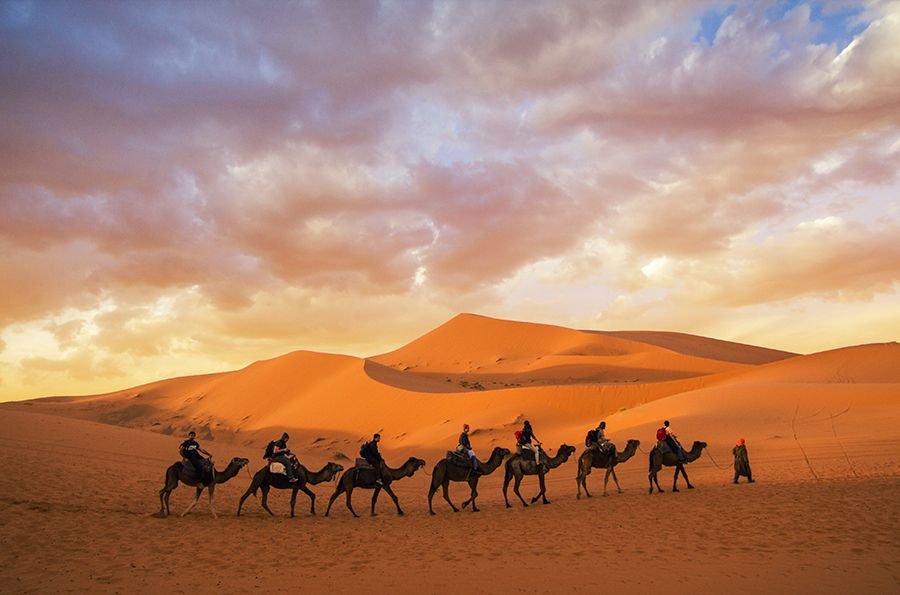
When travelers think of Rajasthan, their minds instantly go to the massive forts of Jaipur, the lakes of Udaipur, and the golden dunes of Jaisalmer. These places are legendary, but they are also packed with heavy tourist crowds, aggressive street hawkers, and commercialized experiences.
At The Valley of Depth, we believe in showing you the whole picture. If you want the iconic photographs, you have to brave the crowds. But if you want silence, untouched wilderness, and authentic culture, you have to look deeper. Here is our complete, multi-tiered guide to Rajasthan, featuring the best famous spots, the most breathtaking hidden gems, precise travel routes from Delhi, and exact budget breakdowns.
When is the Best Time to Visit?
- The Golden Season (October to March): The absolute best time to visit. The days are pleasantly warm (20°C – 25°C), and the nights are beautifully cold (dropping to 5°C in the desert).
- The Monsoon (July to September): Good for Mewar regions like Udaipur and Bundi, which turn lush green and romantic. Avoid the deep desert (Jaisalmer) as it gets incredibly humid.
- Summer (April to June): AVOID. Temperatures in places like Churu, Barmer, and Jaisalmer regularly exceed 45°C. Heatstroke is a severe risk.
How to Reach Rajasthan from Delhi 2026 Transport Guide.
Getting to Rajasthan from Delhi has never been faster, thanks to new infrastructure developments.
- By Road (The New Expressway): The brand new Delhi-Mumbai Expressway (NE 4) has revolutionized travel. You can now drive from Delhi (via Gurugram/Sohna) to Jaipur in just 2.5 to 3 hours taking the new Bandikui connector. The speed limit is 120 km/h. To reach further cities like Jodhpur or Udaipur, you will continue from Jaipur via NH48 and NH25.
- By Train: The Vande Bharat Express from New Delhi to Jaipur/Ajmer is incredibly fast (around 3.5 to 4 hours). For a romantic, slow-travel vibe to the deep desert, take the overnight Runicha Express from Delhi to Jaisalmer (14 hours).
- By Flight: Jaipur (JAI), Jodhpur (JDH), and Udaipur (UDR) have excellent, well-connected airports. Flights from Delhi take roughly 1 to 1.5 hours and are ideal for luxury travelers or those short on time.
The Iconic Masterpieces.
If this is your first time in Rajasthan, you simply cannot skip these, even if they are crowded.
1. Udaipur: The City of Lakes
Known as the Venice of the East, Udaipur is built around a series of artificial lakes and massive white-marble palaces.
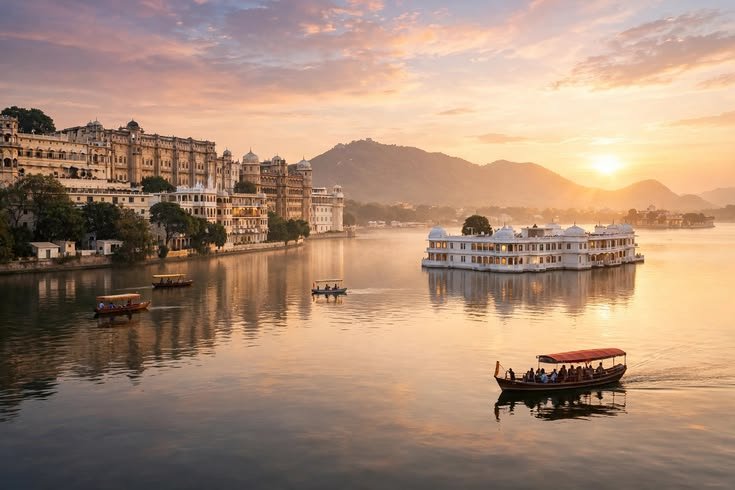
- The Vibe: Highly romantic, aesthetic, and culturally rich. Very crowded around the City Palace and Jagdish Temple.
- Family & Newborn Friendly? Highly Friendly. Udaipur has excellent medical facilities, smooth roads, and luxurious hotels perfect for families with infants.
- Shopping: Hathi Pol Bazaar for authentic Pichwai and Phad paintings, and handmade leather Mojaris (shoes).
- Hotels & Cafes: Stay at Taj Lake Palace (Luxury) or Zostel Udaipur (Budget). Drink sunset coffee at Jheel’s Ginger Coffee Bar overlooking Lake Pichola.
2. Jaisalmer: The Golden City
A city built entirely of yellow sandstone, rising out of the Thar Desert like a mirage. It is home to India’s only “living fort,” where 3,000 people still reside inside the castle walls.
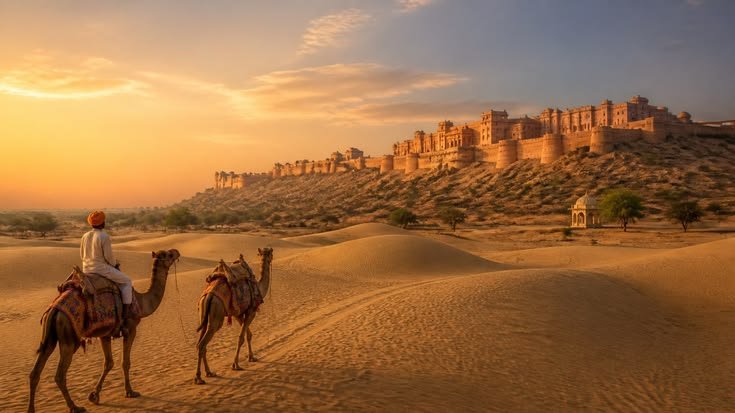
- The Vibe: Exotic, dusty, and adventurous. The Sam Sand Dunes get heavily crowded with commercial camps and loud jeep safaris.
- Family & Newborn Friendly? Proceed with Caution. The desert is harsh. The main fort requires walking up steep, uneven stone inclines. Sand dune safaris are too bumpy for newborns.
- Shopping: Sadar Bazaar for mirror-work tapestries, silver jewelry, and camel leather bags.
- Hotels & Cafes: Stay at Suryagarh (Luxury) or Hostel La Vie (Budget). Eat at Cafe The Kaku for incredible fort views.
The Valley of Depth: 3 Underrated Hidden Gems
If you want to escape the tourist traps, head to these offbeat locations where true Rajasthani silence still exists.
1. Jawai (Pali District): The Leopard Wilderness
Located halfway between Udaipur and Jodhpur, Jawai is an ancient landscape of massive granite hills and open grasslands. It is completely off the commercial radar.
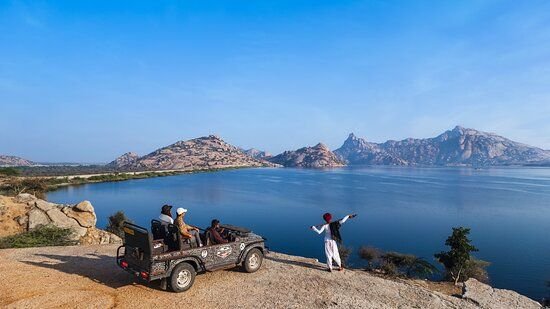
- Why You Should Go: It is one of the only places in the world where wild leopards live in complete harmony with the local Rabari herdsmen. There are no fences. You do open-jeep safaris to see leopards lounging on temple steps. It is the ultimate luxury wilderness escape.
- Family & Newborn Friendly? No. It is a wild animal habitat with intense off-road jeep safaris over steep granite rocks. Not safe for infants or pregnant women.
- Hotels/Stays: Sujan Jawai (Ultra-Luxury tents) or Jawai Nature Stay (Mid-Range). There are no budget hostels here.
2. Bundi: The Forgotten Kingdom
While tourists flock to the blue streets of Jodhpur, they completely ignore Bundi. Located in the Hadoti region, Bundi is a living storybook of narrow lanes, blue houses, and over 50 ancient stepwells.
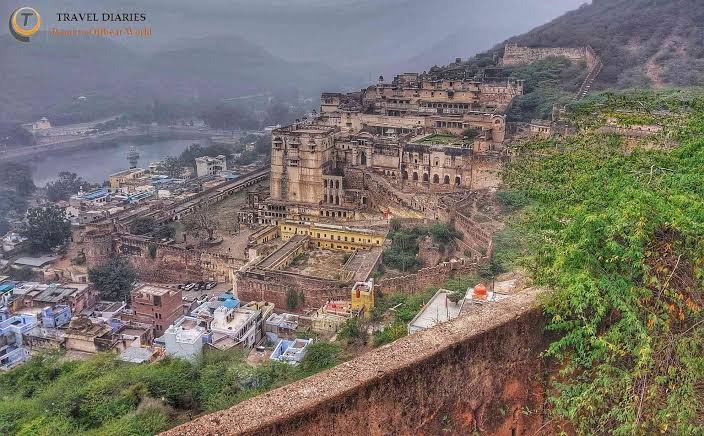
- Why You Should Go: Bundi Palace houses the Chitrashala—some of the most stunning, well-preserved miniature murals in India. You can explore the imposing Taragarh Fort completely alone, with no crowds ruining your photos.
- Family & Newborn Friendly? Yes, the town is quiet and friendly, but the hike up to Taragarh Fort is steep and unpaved (avoid taking strollers).
- Hotels/Cafes: Stay at Haveli Taragarh Palace (Mid-Range). Eat at Morgan’s Place for great Italian food and rooftop fort views.
3. Shekhawati (Mandawa & Churu): The Open-Air Art Gallery
Located in northern Rajasthan (an easy drive from Delhi), the Shekhawati region was once home to wealthy Marwari merchants who built massive, intricately painted Havelis (mansions).
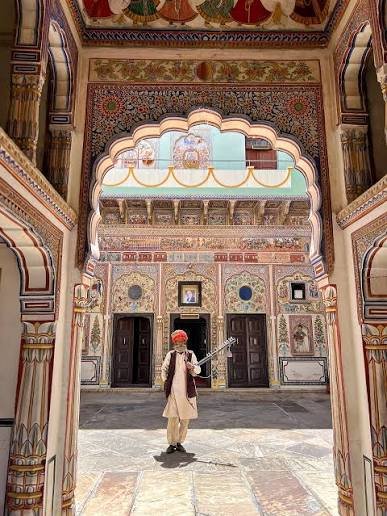
- Why You Should Go: When the merchants moved to port cities, they abandoned these mansions. Today, towns like Mandawa, Churu, and Nawalgarh look like beautiful, decaying open-air art galleries. The frescoes depict everything from Hindu mythology to the invention of the telephone.
- Family & Newborn Friendly? Highly Friendly. It is a flat, easy-to-navigate region with excellent heritage hotels.
- Shopping: Buy authentic wooden carved antiques and miniature paintings directly from local artisans in Mandawa.
- Hotels/Cafes: Stay at Castle Mandawa (Luxury) or Vivaana Culture Hotel (Mid-Range).
The Perfect 8-Day Rajasthan Itinerary (From Delhi)
To balance the famous icons with the hidden gems, you need 8 to 10 days. Here is the ultimate route:
- Day 1: Delhi to Shekhawati (Mandawa). Drive 5 hours. Spend the evening exploring the painted Havelis.
- Day 2: Mandawa to Jaipur. Drive 3 hours. Visit Amer Fort and Hawa Mahal.
- Day 3: Jaipur to Bundi. Drive 3.5 hours. Explore the stepwells and Taragarh Fort.
- Day 4 & 5: Bundi to Udaipur. Drive 5 hours. Spend two days enjoying the lakes, City Palace, and romantic cafes.
- Day 6: Udaipur to Jawai. Drive 3 hours. Do an afternoon Leopard Safari on the granite hills.
- Day 7: Jawai to Jodhpur. Drive 3.5 hours. Visit the massive Mehrangarh Fort and shop in the blue city.
- Day 8: Jodhpur to Delhi. Fly back to Delhi (1 hour) or take the overnight Mandor Express train.
The “Valley of Depth” Master Budget Breakdown (Per Person for 8 Days)
- The Backpacker (Hostels, Trains, Local Buses): ₹14,000 to ₹18,000. (Hostel beds in Udaipur/Jaisalmer cost ₹500/night; local thalis cost ₹150. Skip Jawai as it has no budget stays).
- The Mid-Range Traveler (Vande Bharat Trains, AC Cabs, Heritage Havelis): ₹35,000 to ₹45,000. (Rooms in boutique Havelis cost ₹3,500 – ₹5,000/night; allows for proper wildlife safaris).
- The Royal Luxury (Flights, Private Innova, Taj/Oberoi Palaces): ₹1,20,000+ (Luxury palace hotels range from ₹25,000 to ₹80,000+ per night. Private guided tours and premium dining).
Essential Rajasthan Survival Precautions
What to Do:
- Carry Hydration Multipliers: The dry desert heat dehydrates you without you realizing it. Carry ORS packets everywhere.
- Dress Modestly: When visiting Jain temples (like Ranakpur) or Hindu temples, shoulders and knees must be covered.
- Negotiate Hard: In markets like Johari Bazaar (Jaipur) or Sadar Bazaar (Jaisalmer), the initial price quoted to tourists is often marked up by 300%. Bargain respectfully but firmly.
What NOT to Do:
- Do Not Drink Tap Water: Always stick to sealed bottled water or RO-filtered water at good hotels to avoid “Delhi Belly.”
- Do Not Do Elephant Rides at Amer Fort: Animal welfare organizations have heavily criticized the treatment of these elephants. Take a jeep or walk up to the fort instead.
- What Not to Carry: Do not overpack heavy winter jackets unless traveling in late December/January. Layers (light sweaters and a windbreaker) are much more effective for the fluctuating desert temperatures.
The Royal Contrast: 4 More Must-Visit Gems in Rajasthan Complete 2026 Guide.
If you thought Rajasthan was just about Jaipur and Udaipur, you are only scratching the surface. Beyond the famous capital cities lies a vast network of massive forts, sacred temples filled with rats, and breathtaking Jain marble architecture.
Whether you are seeking iconic historical giants or offbeat desert outposts, here are four more destinations you must add to your Rajasthan itinerary. We’ve broken down exactly how to reach them from Delhi, full budget tiers, family safety, and what to absolutely avoid.
1. Kumbhalgarh & Ranakpur part 2: The Great Wall & The Marble Forest
Located in the Aravalli hills, roughly 2.5 hours north of Udaipur, Kumbhalgarh and Ranakpur are usually done together as a day trip. Kumbhalgarh boasts a massive fort with a 36-km long continuous wall (the second longest in the world after the Great Wall of China). Just an hour away is Ranakpur, home to a spectacular 15th-century Jain temple supported by 1,444 intricately carved white marble pillars.
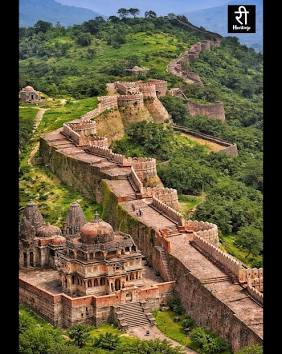
The 36-km long continuous wall of Kumbhalgarh Fort. Source: Facebook / World’s 2nd longest wall — Kumbhalgarh Fort, Rajasthan, BHARAT …
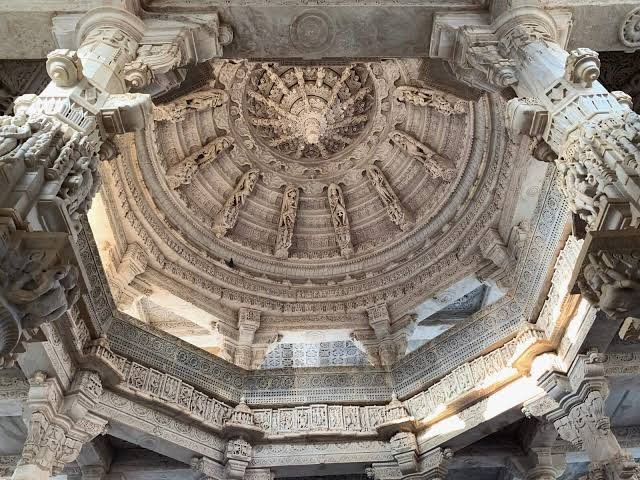
The mesmerizing 1,444 marble pillars of Ranakpur. Source: Lions in the Piazza / The Exquisite Jain Temple at Ranakpur, India – Lions in the Piazza
- Why You Should Go: It is an architectural masterclass. Kumbhalgarh gives you sweeping views of the Aravalli ranges and deep Rajput history, while Ranakpur offers absolute, pin-drop silence and mind-bending marble carvings (no two pillars are carved identically).
- Best Season: September to March.
- Family & Newborn Friendly? Yes. Both locations are easily accessible via car. However, exploring Kumbhalgarh requires a lot of steep uphill walking. Bring a baby carrier, not a stroller.
- Precautions & What NOT To Do: Ranakpur Jain Temple has strict rules. No leather items (belts, wallets, bags) are allowed inside. Shoulders and knees must be covered. Do not plan to visit Ranakpur before noon; it opens for tourists only at 12:00 PM. (Visit Kumbhalgarh in the morning, Ranakpur in the afternoon).
- Rider Route from Delhi: Delhi -> Jaipur -> Ajmer -> Beawar -> Kumbhalgarh. Total distance is 600 km (10-11 hours).
The Budget & Stay (Per Person for 2 Days from Udaipur):
- Budget-Friendly (₹3,000): Take local RSRTC buses from Udaipur to Kumbhalgarh. Stay in budget lodges near Kelwara (₹800/night). Eat local Dal Bati Churma at roadside dhabas.
- Mid-Range (₹7,500): Hire a private AC sedan from Udaipur for a full-day round trip (approx ₹3,500 for the cab). Stay at Kumbhalgarh Forest Retreat (₹3,500/night).
- Luxury (₹22,000+): Stay at the luxurious Fateh Safari Lodge or Mahua Bagh in Kumbhalgarh (₹12,000+/night). Enjoy premium dining with panoramic valley views.
2. Chittorgarh: The Fortress of Sacrifice
Chittorgarh is home to the largest fort in India, sprawling over 700 acres on a massive hilltop. It is the historic capital of Mewar, famous for the legendary Queen Padmini, the poet-saint Meerabai, and three devastating sieges.
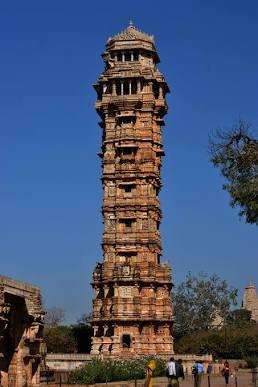
- Why You Should Go: Unlike the manicured, heavily commercialized forts of Jaipur, Chittorgarh feels raw and deeply historic. You can explore the ruins of palaces, the towering 37-meter Vijay Stambha (Tower of Victory), and the Gaumukh reservoir. It receives far fewer crowds than Amer Fort.
- Family & Newborn Friendly? Highly friendly. You can drive your car directly inside the fort complex and park near the main monuments, requiring very little walking for families with infants.
- Precautions & What NOT To Do: Do not attempt to walk the entire 700-acre fort in the afternoon sun. Hire a local auto-rickshaw or take your car inside. Be wary of unauthorized guides spinning fake historical tales; hire an official ASI-approved guide at the ticket counter.
- Rider Route from Delhi: Delhi -> Jaipur -> Bhilwara -> Chittorgarh. Distance: 560 km. Riding time: 9 to 10 hours. (Or take the direct overnight Mewar Express train from Delhi).
The Budget & Stay (Per Person for 2 Days from Delhi):
- Budget-Friendly (₹4,500): Sleeper train from Delhi to Chittorgarh (₹350). Stay in budget guesthouses near the railway station (₹800/night). Eat at Manohar Restaurant in the main city.
- Mid-Range (₹9,000): 3AC train or drive your own car. Stay at Hotel Padmavati Fort View (₹2,500/night). Eat at Chittorgarh Fort Haveli for a good rooftop view.
- Luxury (₹18,000+): Chittorgarh lacks 5-star mega-resorts. Base yourself in Udaipur (at a Taj or Leela property) and hire a premium Innova Crysta for a luxurious, chauffeured full-day trip to Chittorgarh.
3. Bikaner & Deshnoke: The Red Desert & The Rat Temple
Bikaner sits in the deep Thar desert, northwest of Jaipur. It is famous for the stunning red sandstone Junagarh Fort and the National Research Centre on Equines (Camel Breeding Farm). Just 30 km away in Deshnoke lies the surreal Karni Mata Temple.
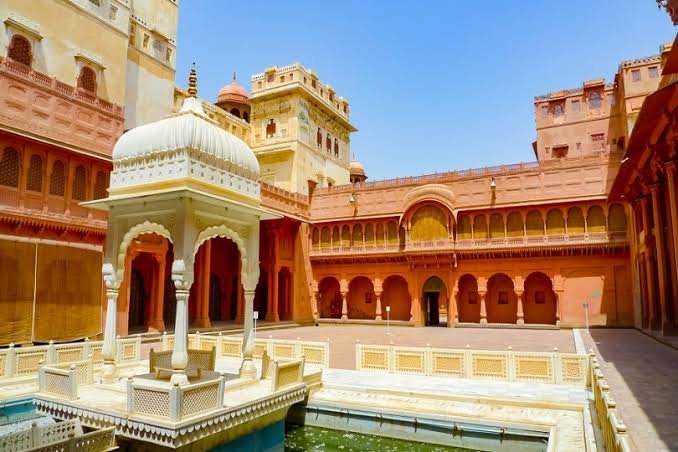
- Why You Should Go: Bikaner gives you the deep desert feel of Jaisalmer but with a fraction of the tourists. Junagarh is one of the few major forts in Rajasthan not built on a hill; its interiors are spectacularly preserved. The Karni Mata Temple in Deshnoke is home to over 25,000 sacred black rats (Kabbas) that roam freely. Spotting a white rat is considered highly auspicious.
- Family & Newborn Friendly? Junagarh Fort is very family-friendly. However, prepare children before visiting the Karni Mata temple—the sight of thousands of rats running over your bare feet can be highly distressing if they aren’t expecting it.
- Precautions & What NOT To Do: At Karni Mata, you must walk barefoot (or in socks). Watch your step! Accidentally stepping on and killing a rat is considered a massive sin, and you are expected to replace it with a silver rat statue.
- Shopping & Food: Bikaner is the snack capital of India. Buy authentic Bikaneri Bhujia directly from Chhotu Motu Joshi Sweet Shop, and try the local rasgullas.
- Rider Route from Delhi: Delhi -> Rohtak -> Hisar -> Churu -> Bikaner. Distance: 450 km. Riding time: 8-9 hours on very smooth highways.
The Budget & Stay (Per Person for 3 Days from Delhi):
- Budget-Friendly (₹5,500): Overnight train from Delhi. Stay in heritage hostels like Gaj Kesri (₹800/night). Rely on local auto-rickshaws.
- Mid-Range (₹12,000): Drive or take an AC train. Stay at Narendra Bhawan or Lallgarh Palace (₹4,500/night). Eat authentic Laal Maas (spicy mutton curry) at Gallops Restaurant opposite the fort.
- Luxury (₹28,000+): Stay at the ultra-luxurious Brij Gaj Kesri or book a premium suite at Narendra Bhawan (₹12,000+/night). Hire a private AC car for the trip to Deshnoke and the camel farm.
4. Barmer (Kiradu Temples): The Forbidden Desert Ruins
If you want absolute, raw isolation, drive 2 hours south of Jaisalmer to Barmer. Hidden in the Thar desert here are the Kiradu Temples, a group of five spectacular, ruined 11th-century Solanki-style temples.
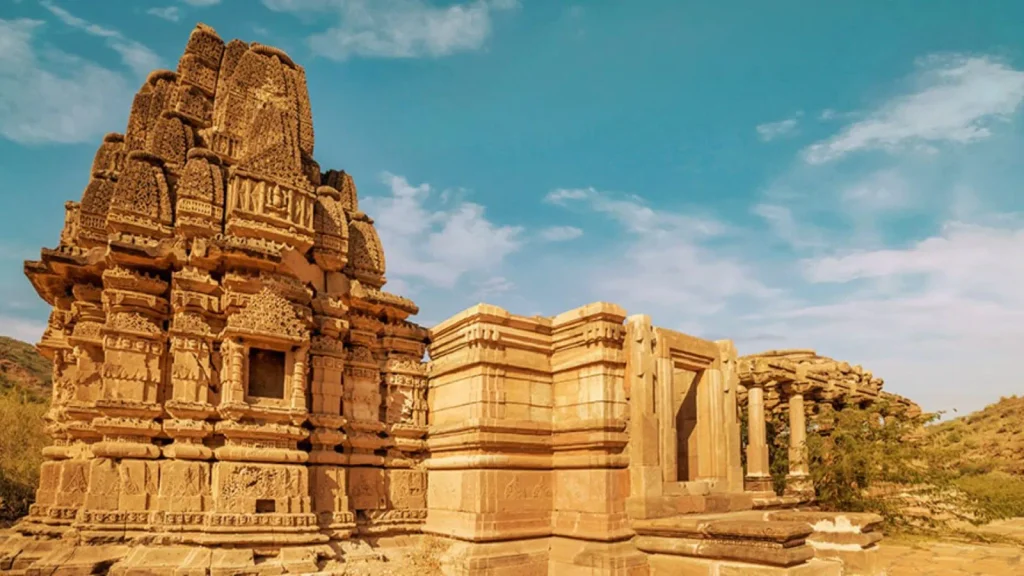
- Why You Should Go: Known as the “Khajuraho of Rajasthan,” the carvings here are incredibly intricate, featuring erotic sculptures, elephants, and war scenes. It is completely deserted due to a local legend/curse that claims anyone who stays in the ruins after sunset will turn to stone.
- Family & Newborn Friendly? No. Barmer is extremely hot, dusty, and isolated. There is no immediate tourist infrastructure or medical support near the ruins.
- Precautions & What NOT To Do: Carry heavy hydration. Do not plan to stay near the temples after 5:00 PM; the area gets desolate, and the guards lock the gates before sunset.
- Shopping: Barmer is famous for intricate wood carving, block printing (Ajrakh), and embroidered fabrics. Visit the local Barmer markets.
- Rider Route from Delhi: Delhi -> Jaipur -> Jodhpur -> Barmer. Distance: 700 km. You must break the journey in Jodhpur.
The Budget & Stay (Per Person for 4 Days from Delhi):
- Budget-Friendly (₹7,000): Train from Delhi to Barmer (Malani Express). Stay in basic city lodges (₹800/night). Eat local Rajasthani thalis in the city center.
- Mid-Range/Luxury (₹15,000+): Barmer lacks high-end luxury resorts. Base yourself in a premium hotel in Jaisalmer (like Suryagarh) or Jodhpur (like Umaid Bhawan) and hire a sturdy SUV for a day trip to the Kiradu ruins.
The Royal Contrast Part 3: Jaipur, Ajmer, Pushkar & The “Snow” of Rajasthan (Complete 2026 Guide)
When mapping out a Rajasthan itinerary from Delhi, the absolute closest and most accessible region is the Jaipur-Ajmer circuit. Because of its proximity to the capital, this route features some of the most heavily crowded, iconic destinations in India. But nestled right in the middle of this busy highway is a hidden gem that looks like an arctic wonderland.
Here at The Valley of Depth, we break down exactly how to navigate these crowded giants safely, where to find the hidden gems, exact travel routes from Delhi, what to buy, what to avoid, and precise 2026 budgets.
When is the Best Time to Visit?
- The Golden Season (October to March): The weather is incredibly pleasant. The Pushkar Camel Fair takes place in November, making it the most culturally vibrant time to visit (but also the most expensive).
- The Monsoon (July to August): The Aravalli hills surrounding Jaipur turn lush green, making Amer Fort incredibly photogenic.
- Summer (April to June): AVOID. Daytime temperatures soar above 42°C. Walking around massive, unshaded forts and temple courtyards becomes physically exhausting.
1. Jaipur: The Pink City (The Crowded Icon)
Jaipur is the capital of Rajasthan and forms the third point of India’s famous Golden Triangle. It is a massive, bustling metropolis filled with colossal forts, royal palaces, and chaotic, colorful bazaars.
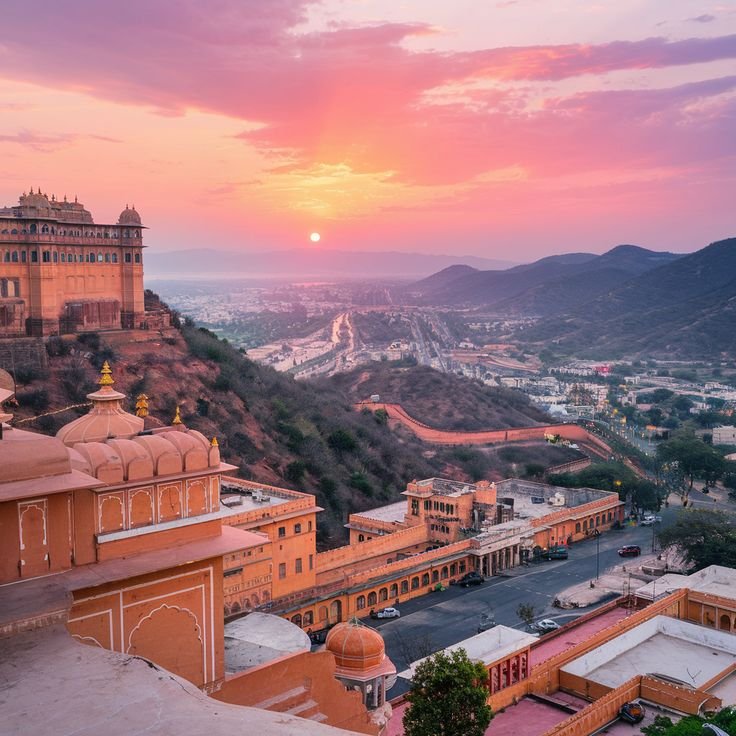
- Why You Should Go: It is the ultimate display of Rajput architecture. The sprawling Amer Fort, the precise astronomical instruments of Jantar Mantar, and the honeycomb facade of the Hawa Mahal are absolute must-sees for any traveler.
- Family & Newborn Friendly? Highly Friendly. Jaipur has excellent mega-hospitals, luxury resorts, smooth roads, and stroller-friendly palace courtyards.
- Precautions & What NOT To Do:
- NO Elephant Rides: Avoid the elephant rides up to Amer Fort. Animal welfare groups heavily criticize this practice; take a jeep or walk the stone path instead.
- Beware the Gem Scam: Jaipur is the gem capital of India. Do not buy expensive “precious” stones from unsolicited guides on the street; stick to certified showrooms.
- Shopping: Johari Bazaar for jewelry and Kundan work. Bapu Bazaar for textiles, block prints, and handmade leather Mojaris (shoes).
- Hotels & Cafes:
- Stays: Rambagh Palace (Ultra-Luxury), Alsisar Haveli (Mid-Range), Moustache Hostel (Budget).
- Cafes: Bar Palladio for high-end aesthetic dining, and Tapri Central for sunset chai overlooking Central Park.
🕊️ 2. Ajmer & Pushkar: The Sacred Twins
Just 140 kilometers from Jaipur lie two cities that represent the ultimate spiritual harmony of India. Ajmer is home to the world-famous Sufi shrine of Khwaja Moinuddin Chishti. Just 15 kilometers over the Snake Mountain (Nag Pahar) is Pushkar, a deeply sacred Hindu town built around a holy lake, featuring the only major Brahma Temple in the world.
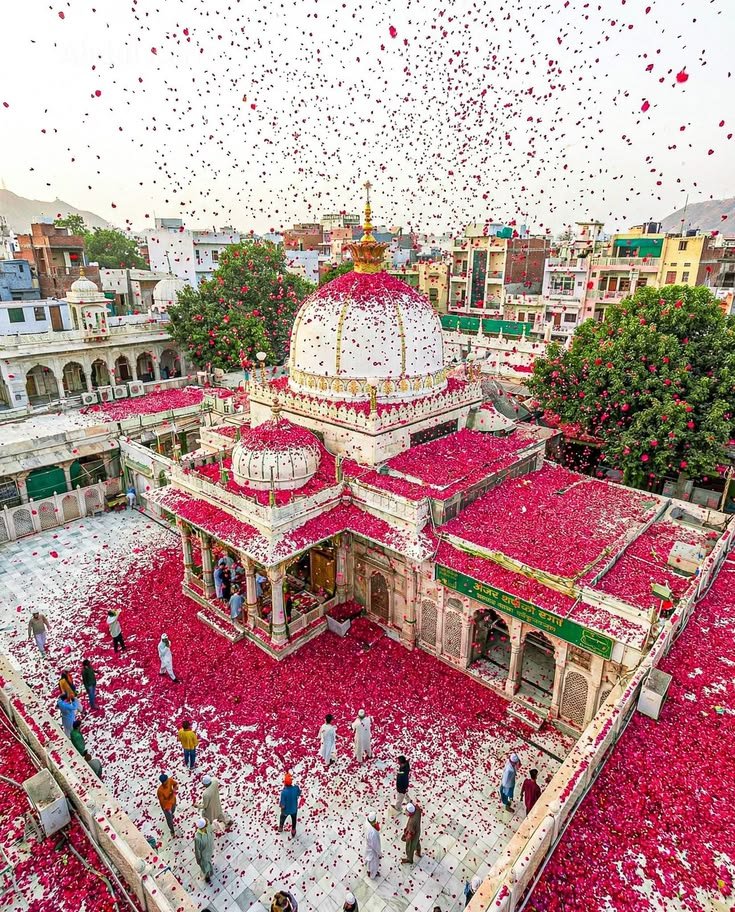
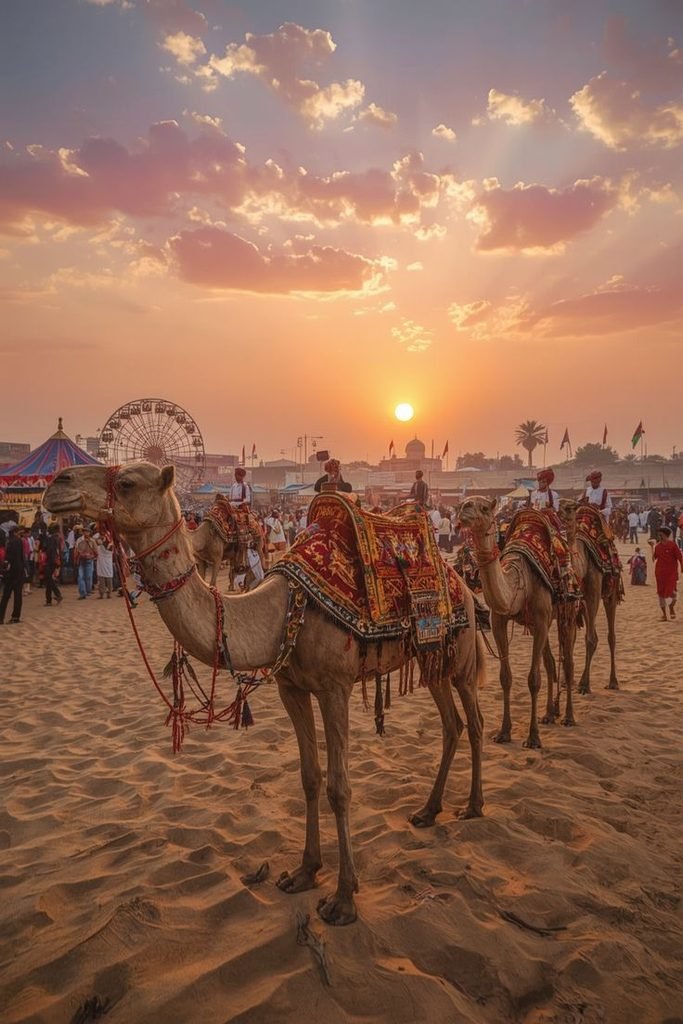
- Why You Should Go: The spiritual energy is palpable. Ajmer offers the intense, crowded devotion of the Dargah, while Pushkar offers a laid-back, bohemian “hippie” vibe with rooftop cafes and desert camel carts.
- Family & Newborn Friendly?Proceed with Caution.
- Pushkar: Very safe and relaxing for families.
- Ajmer: NOT recommended for newborns. The alleyways leading to the Ajmer Dargah are incredibly narrow, highly congested, and claustrophobic.
- Precautions & What NOT To Do:
- Pushkar: Alcohol and non-vegetarian food are strictly prohibited inside the city limits. Do not fall for the “Holy Flower Scam” at the lake (where fake priests force a flower into your hand and then aggressively demand thousands of rupees as a “donation”).
- Ajmer: Ignore aggressive khadims (priests) demanding exorbitant donations inside the shrine. Keep a tight grip on your belongings in the crowd.
- Shopping: Pushkar’s main market is a bohemian paradise. Buy silver jewelry, macrame bags, rose water (Pushkar roses are famous), and embroidered umbrellas.
- Hotels & Cafes:
- Stays: The Westin Pushkar Resort (Luxury), Pushkar Palace (Mid-Range), Zostel Pushkar (Budget).
- Cafes: The Laughing Buddha Cafe for great vegan food, and Laura’s Cafe for a rooftop view of the lake.
3. Kishangarh Dumping Yard: The “Snow” of Rajasthan (Hidden Gem)
If you are driving from Jaipur to Ajmer, you will pass the town of Kishangarh (the marble capital of India). Hidden just off the highway is a surreal landscape that looks exactly like a frozen, arctic wonderland. It is actually a massive dumping ground for white marble slurry, which has dried to look like endless fields of snow, complete with artificial blue lakes.

- Why You Should Go: It is the most bizarre, cinematic location in Rajasthan. It is a massive hotspot for Bollywood music videos and high-end fashion shoots, yet most regular tourists drive right past it without knowing it’s there.
- Family & Newborn Friendly? ABSOLUTELY NOT. The “snow” is literal, fine marble dust. The particulate matter in the air is highly hazardous for infant lungs and anyone with asthma.
- Precautions & What NOT To Do: You must carry sunglasses (the reflection of the sun on the white marble is blinding) and an N95 mask to avoid breathing in the fine dust. Do not attempt to swim in the blue lakes—they are highly toxic chemical runoff. You must obtain an entry pass from the Kishangarh Marble Association office before entering.
The Rider’s Route & Transport Guide (From Delhi)
This is one of the easiest, fastest road trips you can take from Delhi.
- The Route: Delhi -> Gurugram -> NE4 (Delhi-Mumbai Expressway) -> Dausa -> Jaipur -> Kishangarh -> Ajmer -> Pushkar.
- Rider/Driver Details: The new NE4 Expressway has revolutionized this route. You can now drive from Delhi to Jaipur in under 3 hours. The road from Jaipur to Ajmer (NH48) is a wide, 6-lane highway taking an additional 2.5 hours.
- By Train: The Vande Bharat Express from New Delhi to Ajmer (via Jaipur) takes just 4 hours and is highly recommended.
The Perfect 5-Day Itinerary (Delhi to Jaipur/Pushkar)
- Day 1: Delhi to Jaipur. Drive via the NE4 Expressway. Check in, and spend the evening at Patrika Gate or Chokhi Dhani for a traditional Rajasthani dinner.
- Day 2: The Royal Jaipur Tour. Morning visit to Amer Fort and Jal Mahal. Afternoon at Hawa Mahal, City Palace, and Jantar Mantar. Evening shopping in Johari Bazaar.
- Day 3: The Surreal Drive. Drive from Jaipur to Kishangarh. Spend an hour taking photos in the “snow” dumping yard. Continue to Pushkar and check into your hotel.
- Day 4: Pushkar & The Desert. Early morning visit to the Brahma Temple and Pushkar Lake. Take the ropeway up to Savitri Mata temple for a panoramic view. Evening desert camel cart ride.
- Day 5: Ajmer & Departure. Drive 30 mins to Ajmer. Visit the Dargah Sharif early in the morning to beat the heaviest crowds. Drive back to Delhi via the expressway.
The “Valley of Depth” Master Budget Breakdown (Per Person for 5 Days)
- The Backpacker (Hostels, Local Buses, Street Food): ₹7,000 to ₹9,000. (AC buses from Delhi cost ₹600. Hostel beds in Jaipur/Pushkar cost ₹400-₹600/night. Street food like Pyaz Kachori and local thalis are incredibly cheap).
- The Mid-Range Traveler (Vande Bharat Train, Boutique Havelis, Good Cafes): ₹15,000 to ₹22,000. (Boutique heritage stays run ₹3,500 – ₹5,000/night. Budgeting for nice rooftop cafes and comfortable AC sedan rentals between cities).
- The Royal Luxury (Private SUV, Taj/Rambagh Palaces): ₹65,000+ (Staying at ultra-luxury properties like Rambagh Palace or Westin Pushkar, featuring private spa treatments and chauffeured sightseeing).
Stay curious and keep exploring with The Valley of Depth.