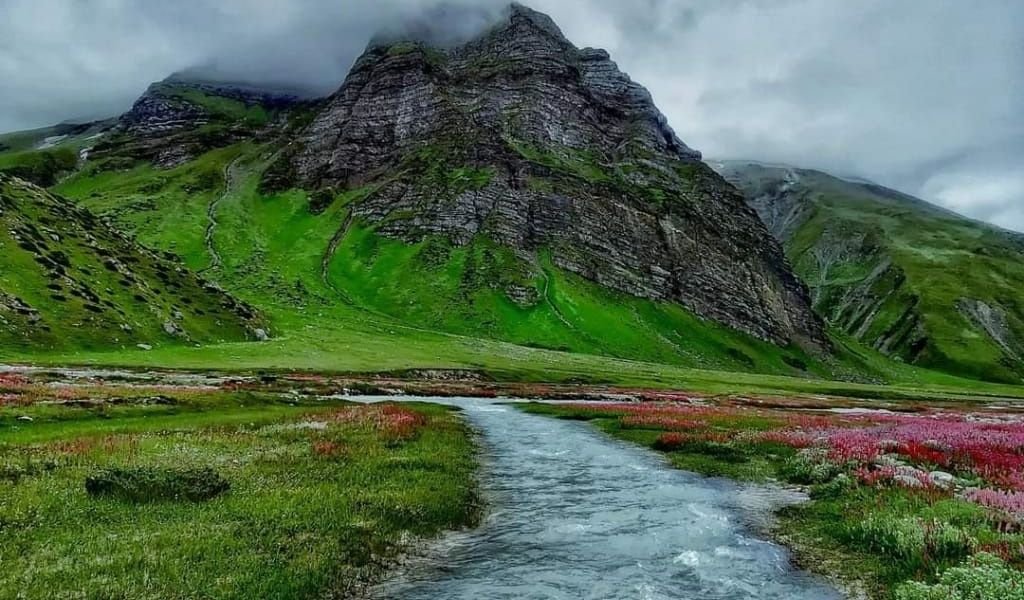
Deep in the Devbhoomi: 3 Underrated Hidden Gems in Uttarakhand Complete Guide.
When you say “Uttarakhand,” most people immediately think of the massive traffic jams in Nainital, the crowded Mall Road in Mussoorie, or the commercialized rafting camps in Rishikesh.
But at The Valley of Depth, we don’t do commercialized tourism. Uttarakhand (the “Land of the Gods”) is split into two massive regions—Garhwal and Kumaon—and the real magic lies at the end of the longest, most winding roads. If you want pristine apple orchards, panoramic Himalayan views, and absolute silence, here are the three most underrated, hidden gems in Uttarakhand.
The Rider’s Master Route Guide: Delhi to Uttarakhand (2026 Updates)
Uttarakhand offers incredibly rewarding riding, but the roads are steep, winding, and prone to landslides. Depending on which hidden gem you choose, you will take one of two main arterial highways from Delhi.
Route 1: The Kumaon Highway (For Munsiyari & Chaukori)
- The Route: Delhi -> Hapur -> Moradabad -> Rampur -> Haldwani/Kathgodam -> Almora.
- The Breakdown: The first 270 km to Haldwani is straight highway cruising (approx. 5-6 hours). Once you cross Kathgodam, the steep mountain twisties begin immediately. You must plan to cross the plains early in the morning to tackle the hill climb during daylight.
Route 2: The Garhwal Highway (For Harsil Valley)
- The Route: Delhi -> Meerut -> Roorkee -> Haridwar -> Rishikesh -> Chamba -> Uttarkashi.
- The Breakdown: The new Delhi-Meerut expressway makes the first leg incredibly fast. However, the stretch from Rishikesh to Uttarkashi (approx. 170 km) is a slow, winding mountain road heavily affected by the Chardham Yatra traffic in summer.
1. Munsiyari: The Little Kashmir of Kumaon
Located in the far corner of the Pithoragarh district at an elevation of 7,200 feet, Munsiyari is the closest you can get to the majestic, snow-capped Panchachuli peaks without strapping on crampons and climbing a glacier.
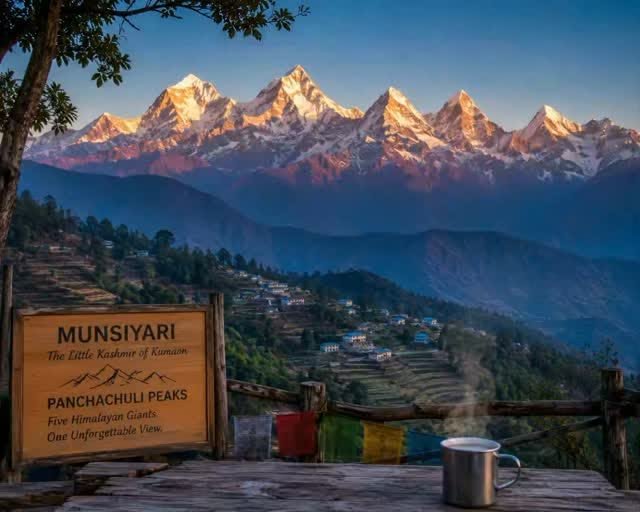
- Why Go & Famous For: The view. The five peaks of Panchachuli look so incredibly close that you feel like you can reach out and touch them directly from your hotel balcony. It is completely isolated, making it the perfect basecamp for trekkers and slow travelers who want to escape the commercial noise.
- Best Season: March to June (for crystal clear views) and September to November. Avoid July and August; the heavy monsoon triggers massive, dangerous landslides on this route.
- Infant & Family Suitability: Not recommended for newborns or toddlers. While the destination itself is beautiful, it requires 10 to 12 hours of continuous, nausea-inducing mountain driving from Kathgodam. The fatigue is too much for young infants, though it is great for older teenagers.
- Rider Route from Delhi (Pro-Tip for Bikers): Delhi -> Haldwani -> Almora -> Bageshwar -> Thal -> Munsiyari.
- Total Distance: 570 km. Riding Time: 16-18 hours.
- Crucial Tip: You MUST break this journey into two days. Halt in Almora or Bageshwar for the night to avoid riding in the dark.
- Key Spots (The Classic Route):
- Spiritual: The revered Nanda Devi Temple, accessible via a serene 3 km trek from the main town, offering sweeping views of the valley.
- Shopping & Local Souvenirs: Head to Darkot Village (6 km away). It is a traditional Bhotia tribal hamlet famous for authentic, hand-woven Pashmina shawls and warm sheep wool blankets (Thulma and Chutka) made on traditional handlooms.
- Accommodation Tiers & Budget (Per Person for a 5-Day Trip):
- Budget-Friendly (₹7,500 – ₹9,500): Take the Ranikhet Express train from Delhi to Kathgodam, then a shared local Sumo to Munsiyari. Stay at Pandey Lodge or basic village homestays (~₹800/night). Eat basic, hot dal-chawal at small dhabas in the main Munsiyari market.
- Mid-Budget (₹14,000 – ₹18,000): Ride your own bike or hire a private sedan from Kathgodam. Stay at Milam Inn or Zara Resort (~₹2,500 – ₹4,000/night) which feature balconies directly facing the Panchachuli peaks. Enjoy standard North Indian hotel buffets or grab Kumaoni food at the local Himalayan Glamping kitchen.
- Luxury (₹28,000+): Hire a premium Innova Crysta from Delhi. Stay at Nea Munsiyari (boutique luxury cottages, ₹7,000+/night). Enjoy premium, customized multi-course Kumaoni thalis curated by the boutique hotel chef.
2. Harsil Valley: The Hidden Cantonment on the Bhagirathi
Situated at 8,500 feet in the Uttarkashi district of the Garhwal Himalayas, Harsil is a stunning, heavily forested valley nestled on the banks of the roaring, turquoise Bhagirathi River.
- Why Go & Famous For: Harsil is famous for its crisp red apple orchards, towering Deodar cedar trees, and absolute tranquility. Because it falls directly on the way to the Gangotri shrine, most Chardham tourists just drive right past it. If you stop and stay, you essentially get the entire valley to yourself.
- Best Season: May to October. (Winter receives incredibly heavy snowfall, transforming it into a white wonderland, but freezing temperatures make it harsh).
- Infant & Family Suitability: Great for older children, but due to the high altitude (8,500 ft) and the sheer winding roads, it is not ideal for newborns or toddlers.
- Rider Route from Delhi (Pro-Tip for Bikers): Delhi -> Rishikesh -> Chamba -> Uttarkashi -> Harsil.
- Total Distance: 430 km. Riding Time: 12-14 hours.
- The Vibe: The road from Uttarkashi to Harsil is heavily forested, narrow, and incredibly scenic, making it one of the most rewarding biking routes in the state.
- Key Spots (The Classic Route):
- Spiritual: The holy Gangotri Temple is just 25 km away. During winter when Gangotri closes, the idol of Goddess Ganga is brought down to Mukhba Village (right next to Harsil), making the village a deeply spiritual and vibrant site.
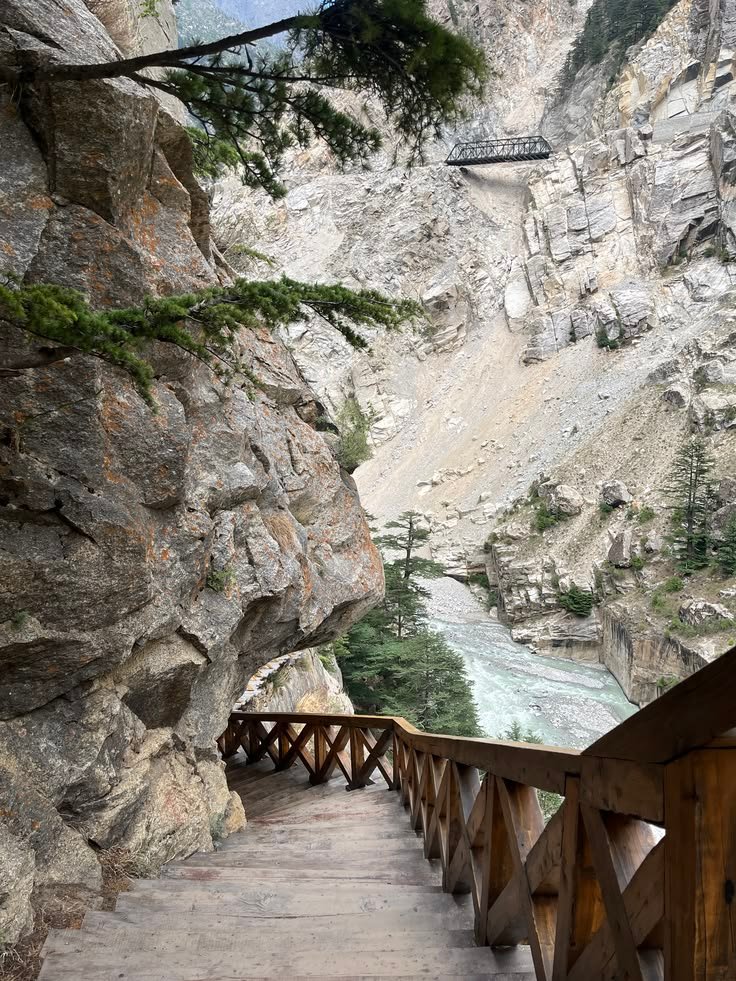
- Adventure: Embark on a thrilling walk across Gartang Gali, an incredible 136-meter-long historic wooden walkway cantilevered directly onto a vertical sheer rock face hanging over the Jadh Ganga gorge (accessed via a 2.5 km trek from Lanka Bridge).
- Shopping & Local Souvenirs: Buy absolute farm-fresh Harsil Apples directly from the orchards. The local Bhotia weavers in Bagori village also sell excellent hand-knitted woolen caps and socks.
- Accommodation Tiers & Budget (Per Person for a 4-Day Trip):
- Budget-Friendly (₹6,500 – ₹8,500): Bus from Delhi to Rishikesh, shared maxicab to Uttarkashi, and a local jeep to Harsil. Stay in basic wooden guesthouses (~₹1,000/night). Eat piping hot Maggi, rajma-chawal, and momos at small tin-roofed stalls by the river.
- Mid-Budget (₹13,000 – ₹17,000): Ride your bike or hire a private cab. Stay at the GMVN Tourist Rest House or Harsil Retreat (~₹3,000 – ₹4,500/night). Enjoy standard Garhwali thalis (featuring hearty Mandua ki Roti) at the hotel restaurants.
- Luxury (₹25,000+): Stay at the Nelangana Resort or premium boutique eco-camps along the river (~₹6,000 – ₹8,000/night). Indulge in riverside dining arranged by the resort, featuring fresh local trout fish.
3. Chaukori: The Tea Garden in the Clouds
Located in the Pithoragarh district at a comfortable 6,500 feet, Chaukori is one of the very few places in Kumaon where you will find sprawling, lush green tea gardens.
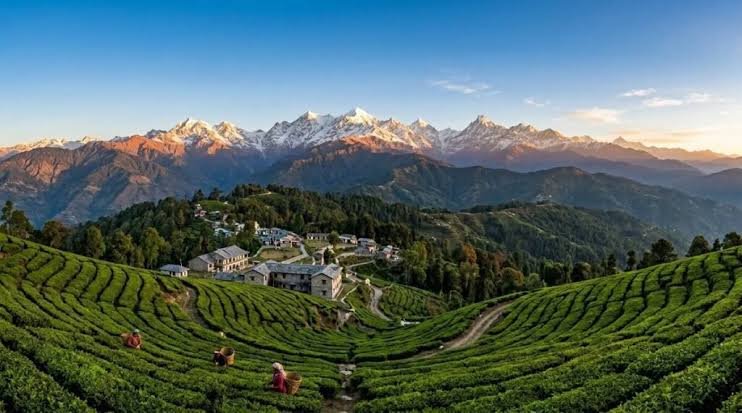
- Why Go & Famous For: It offers an unobstructed, 180-degree panoramic view of the Nanda Devi, Trishul, and Chaukhamba peaks. You can walk through absolute silence in the tea estates, completely far away from the commercial noise of Nainital or Mussoorie.
- Best Season: October to March for the sharpest, clearest winter mountain views, and April to June for beautifully pleasant summer weather.
- Infant & Family Suitability: Yes, highly recommended. The altitude is very comfortable (6,500 ft), and the terrain is gentle. It is a fantastic, safe spot for families with infants looking for a quiet nature retreat.
- Rider Route from Delhi (Pro-Tip for Bikers): Delhi -> Haldwani -> Bhowali -> Almora -> Bageshwar -> Chaukori.
- Total Distance: 460 km. Riding Time: 12-13 hours.
- The Vibe: It is an incredibly smooth, sweeping, and highly enjoyable riding route.
- Key Spots (The Classic Route):
- Spiritual: A must-visit is Patal Bhuvaneshwar (approx. 35 km away)—a massive, mystic underground limestone cave temple dedicated to Lord Shiva. It is widely considered one of the most spiritually powerful and geologically fascinating places in India.
- Shopping & Local Souvenirs: Buy authentic, locally grown organic Kumaon Tea directly from the surrounding estates.
- Accommodation Tiers & Budget (Per Person for a 4-Day Trip):
- Budget-Friendly (₹6,000 – ₹8,000): Train to Kathgodam, local bus to Bageshwar, then a shared taxi to Chaukori. Stay in local village homestays (~₹800/night). Eat local Kumaoni food (Bhatt ki Churkani) at small village dhabas.
- Mid-Budget (₹12,000 – ₹15,000): Ride your bike or hire a private cab. Stay at the KMVN Tourist Rest House or Ojaswi Resort (~₹2,500 – ₹3,500/night)—both offer the absolute best views of the mountains directly from your bed. The KMVN dining hall serves excellent, homely North Indian food.
- Luxury (₹22,000+): Stay at The Misty Mountains Retreat in nearby Jhaltola (~₹7,000+/night), an exclusive, off-road boutique property. Enjoy multi-cuisine dining and high tea in the private gardens.
Traveler & Rider Advisory: The Valley of Depth (Safety & Etiquette)
Uttarakhand is beautiful, but the Himalayan terrain is unforgiving. Follow these absolute rules for a safe journey:
Crucial Rider Safety:
- The Daylight Rule: NEVER ride or drive in the mountains after sunset. Uttarakhand roads lack streetlights, have steep drops without crash barriers, and wildlife (leopards in the hills, elephants in the foothills) frequently cross the roads at night.
- The Black Ice Warning: If you ride between late November and February, be incredibly careful of “black ice” on the shaded curves of the roads, especially near high-altitude spots like Harsil and Munsiyari. It is nearly invisible and will wipe out your front tire instantly.
- Hill Right-of-Way: Vehicles traveling uphill always have the right of way. If you are descending, you must pull over and yield.
Do’s and Don’ts:
- DO carry enough cash: While UPI is everywhere in the plains, ATMs in remote places like Munsiyari, Harsil, or Chaukori frequently run out of cash during long weekends. Cash is still king in the deep valleys.
- DON’T play loud music: Leave your Bluetooth speakers behind. The locals deeply value the silence and sanctity of their home. Blaring music in the forest or near ashrams is heavily frowned upon.
- DO respect the temples: Uttarakhand is Devbhoomi (The Land of Gods). Dress modestly when visiting places like Gangotri, Patal Bhuvaneshwar, or local village shrines (always cover your shoulders and knees).
- DON’T rely entirely on Google Maps for shortcuts: A “shorter route” on a GPS map in Uttarakhand is often an unpaved, broken dirt track meant only for local 4×4 jeeps or mules. Always ask local shopkeepers or taxi drivers for the actual road conditions before taking a detour.
General Overview of Uttarakhand
Before diving into specific places, here is the universal culture across the state:
- The People & Culture: The state is divided into Garhwal and Kumaon. Both regions worship nature and local deities. It is an incredibly safe and hospitable state.
- Traditional Food: Highly nutritious mountain food including Kafuli (spinach curry), Bhatt ki Churkani (black soybeans), Aloo ke Gutke (spicy potatoes), Mandua (finger millet) rotis, and famous sweets like Bal Mithai and Singori.
- Traditional Dress: Women traditionally wear a Ghagra-Choli or sari, with Kumaoni women wearing a distinctive yellow/red dotted dupatta called a Pichora. Men wear Kurtas with a Garhwali/Kumaoni Topi (cap).
- Festivals: Harela (welcoming the monsoon/greenery), Phool Dei (spring harvest where children throw flowers on doorsteps), and Kumbh Mela.
1. Haridwar & Rishikesh: The Spiritual Gateway, White-Water Rapids & Yoga Havens
Where the holy Ganges finally descends from the high Himalayas into the plains, Haridwar and Rishikesh stand as twin pillars of Uttarakhand’s cultural and adventure tourism. While Haridwar anchors you in deeply rooted ancient traditions, Rishikesh offers a vibrant, cosmopolitan mix of wellness retreats, extreme sports, and a thriving bohemian cafe culture.
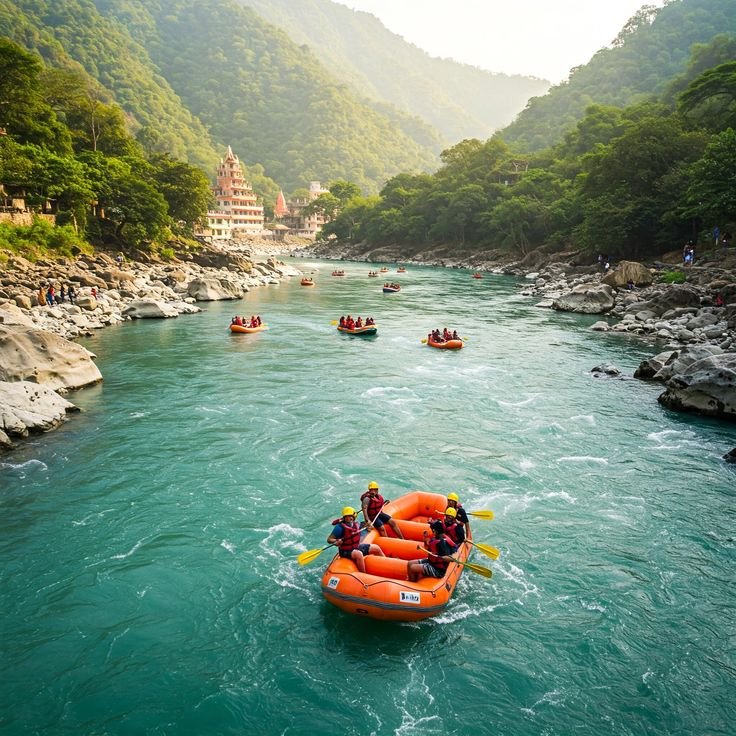
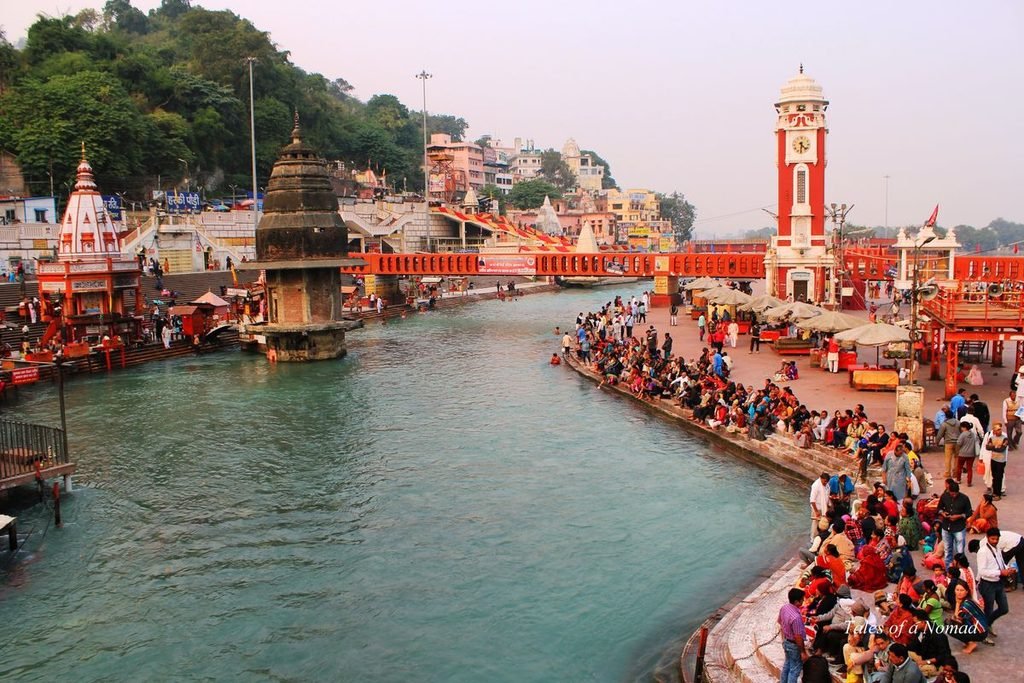
- Why Go & Famous For: Haridwar translates to the “Gateway to the Gods,” globally renowned for the massive Kumbh Mela congregation and the emotionally stirring evening Ganga Aarti at Har Ki Pauri. Just an hour away, Rishikesh is celebrated as the “Yoga Capital of the World,” serving as the ultimate hub for white-water river rafting, bungee jumping, and spiritual ashrams.
- Best Season: February to May (perfect for rafting and escaping early summer heat), and September to November (post-monsoon lushness). Avoid the July–August monsoons as heavy rains cause the river currents to become dangerously violent, suspending all water sports.
- Infant & Family Suitability: Highly recommended. Both towns are completely accessible plains/foothills with flat walking areas along the ghats, excellent tourist infrastructure, and top-tier medical facilities.
- Pro-Tip for Bachelors & Solo Travelers: Rent a Royal Enfield or an active scooty in Rishikesh (available near Tapovan or Lakshman Jhula). Navigating the narrow, winding lanes of Tapovan and cruising the scenic Badrinath Highway up to Shivpuri or Byasi on a two-wheeler is the ultimate way to beat the relentless weekend traffic and explore hidden riverbank spots.
- How to Reach from Delhi:
- By Train: The Vande Bharat Express departs Anand Vihar Terminal (Delhi) at 17:50 and reaches Haridwar by 21:11—an incredibly fast and comfortable journey.
- By Road: A remarkably smooth 4-to-5-hour drive via the Delhi-Meerut Expressway straight into Haridwar.
Key Spots (The Classic Route):
- Spiritual Anchors: Witness the electrifying Ganga Aarti at Har Ki Pauri (Haridwar) or the more peaceful, community-led aarti at Triveni Ghat and Parmarth Niketan (Rishikesh). Explore the graffiti-covered ruins of The Beatles Ashram (Chaurasi Kutia) where the legendary band learned transcendental meditation in 1968.
- Adrenaline & Adventure: Shivpuri is the starting point for thrilling white-water rafting runs (ranging from 9km to 26km). Head to Jumpin Heights in Mohan Chatti to experience India’s highest bungee jump (83 meters), giant swings, and flying foxes.
- Waterfalls: Trek up the forested trails to bathe in the multi-tiered Neer Garh Waterfall or the limestone-rich Patna Waterfall.
- Wildlife: Embark on a jeep safari in Rajaji National Park, a sprawling elephant reserve forming a green corridor between the two cities.
Hidden Gems & Offbeat Trails (Just outside Rishikesh):
- Vashishta Gufa: A deeply serene, ancient meditation cave located right on the banks of the Ganges (about 25 km from Rishikesh). It is free of commercial crowds, featuring a pristine white-sand river beach just outside the cave.
- Secret White-Sand Beaches: Drive past Shivpuri toward Gular and Byasi to find untouched stretches of silver sand along the river. These are perfect for afternoon picnics and safe, shallow dipping (always stay close to the shore).
- Garud Chatti Waterfall: A smaller, highly secluded waterfall just a few kilometers past Lakshman Jhula, requiring a short, dense jungle trek.
Full-Day Excursion: Devprayag & The Grand Confluence If you have an extra day in Rishikesh, embark on a breathtaking 2.5-hour mountain drive (75 km) to Devprayag. This historically significant town is where the turbulent, emerald-green Bhagirathi River meets the calmer Alaknanda River to officially form the holy Ganga. It is a stunning visual and spiritual phenomenon.
- Sunrise & Sunset Highlights:
- Sunrise: Kunjapuri Temple, perched at 1,645 meters. You can drive up or take a rigorous pre-dawn trek to watch the sun rise over snow-capped peaks like Swargarohini and Banderpunch.
- Sunset: The spiritual sunsets during the deeply moving fire rituals (Aarti) at Har Ki Pauri and Triveni Ghat, where thousands of floating diyas illuminate the dark river.
- Dining & Iconic Cafes:
- Rishikesh: Little Buddha Cafe (a vibrant, treehouse-style eatery overlooking the river serving giant pizzas and Israeli food); The Beatles Cafe (vegan-friendly, excellent coffee, and retro vibes); Chotiwala (an iconic, historic spot for traditional, unlimited Indian Thalis).
- Haridwar: Mathura Walon Ki Prachin Dukan (legendary for its street food, piping hot kachoris, and syrupy jalebis).
- Shopping & Local Souvenirs:
- Lakshman Jhula Market (Rishikesh): The best place to buy authentic Rudraksha malas, healing crystals, organic cotton yoga wear, spiritual literature, and Tibetan singing bowls.
- Moti Bazaar (Haridwar): A bustling, narrow market perfect for heavy brass idols, copper utensils, and religious artifacts.
- Accommodation Tiers & Budget:
- Backpacker Budget (₹1,000 – ₹2,000 per night): Vibrant community hostels like Zostel Rishikesh, Madpackers, and goSTOPS (perfect for solo travelers).
- Mid-Range (₹4,000 – ₹7,000 per night): Aloha on the Ganges (luxury apartments in Rishikesh), Ganga Lahari (heritage hotel right on the Haridwar ghats).
- Ultra-Luxury (₹15,000+ per night): Taj Rishikesh Resort & Spa (secluded, private riverfront), Ananda in the Himalayas (world-renowned destination spa in nearby Narendra Nagar).
- Precautions & Don’ts:
- Dietary Laws: Both Haridwar and Rishikesh are strictly vegetarian and alcohol-free zones by law. Do not carry or consume alcohol/meat in these towns.
- Monkey Menace: Rhesus macaques heavily guard the suspension bridges (Lakshman Jhula / Ram Jhula). Keep your sunglasses inside your bag, secure your phones, and never walk across with visible food items or plastic bags.
- River Safety: Do not swim deep into the Ganga. The undercurrents are deceptively strong, freezing cold, and highly dangerous even for expert swimmers. Stick to the shallow edges where designated safety chains are installed.
2. Dehradun, Mussoorie, Landour & Dhanaulti: Colonial Charm, Hidden Trails & Lakes.
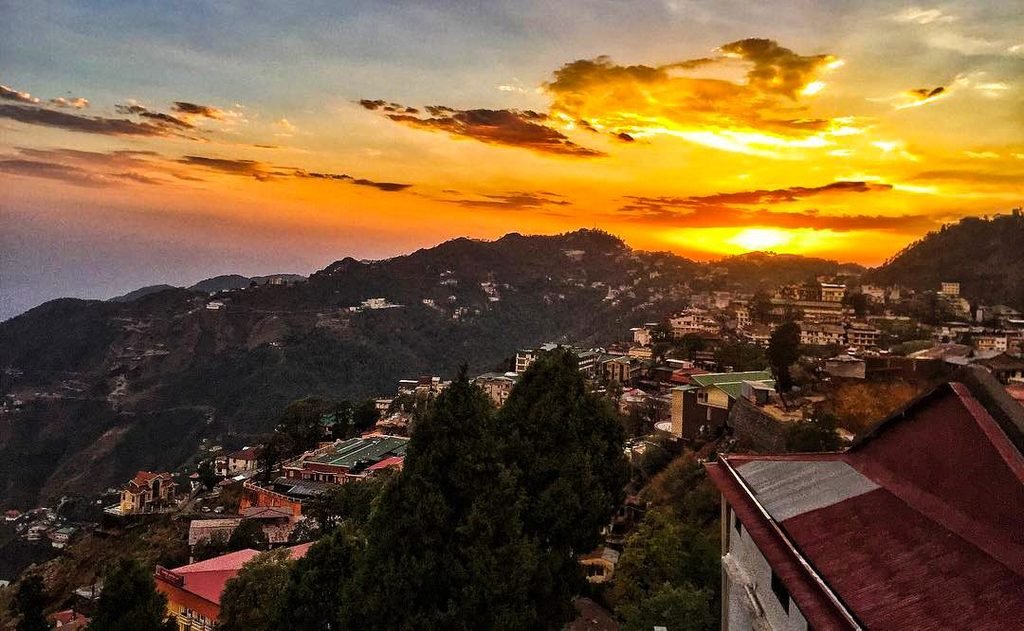
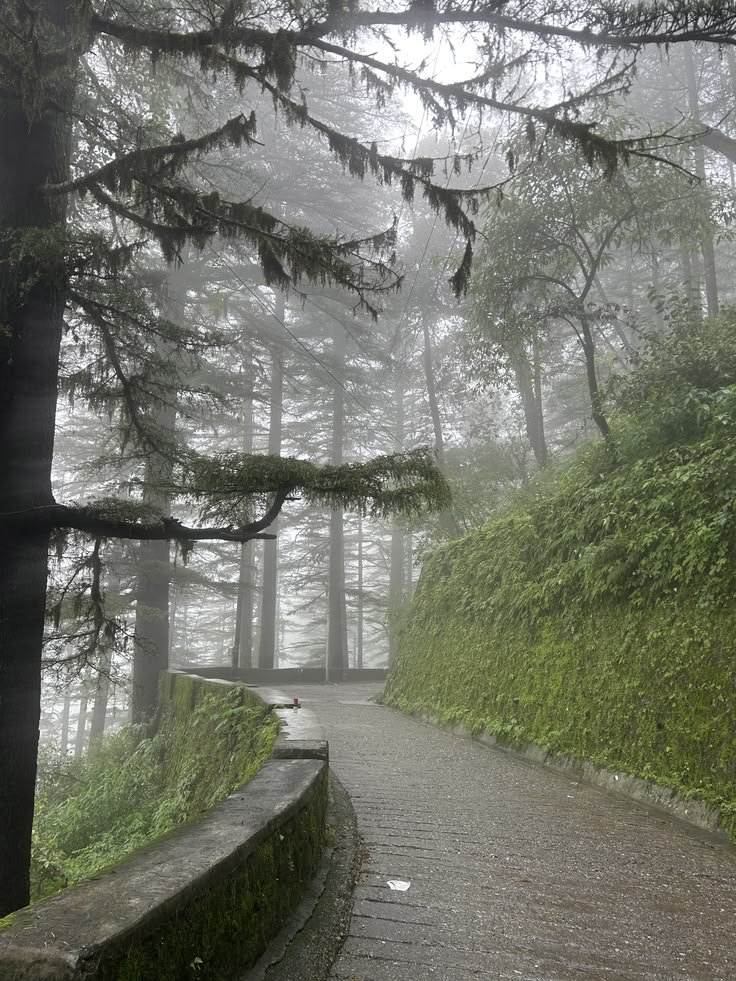
A classic mountain escape that perfectly balances family-friendly tourist hubs with rugged, offbeat trails for the adventurous. While Dehradun offers a bustling valley experience, Mussoorie and Landour provide pine-scented ridges, colonial architecture, and heritage bakeries.
- Why Go & Famous For: Mussoorie is the “Queen of the Hills,” famous for its colonial past and vibrant café culture. Dehradun is known for its boarding schools and bakeries. The surrounding regions hide some of the state’s most fascinating historical ruins and alpine treks.
- Best Season: March to June (summer escape), December to January (for light snow).
- Infant & Family Suitability: Excellent in the main town limits. Paved roads, gentle walking trails, and abundant family-oriented resorts make the main Mussoorie-Dehradun circuit ideal for all ages.
- Pro-Tip for Bachelors & Solo Travelers: Skip the taxis! Rent a scooty from Dehradun and ride up the winding ghats. The ultimate way to experience this region is to ride through Mussoorie, navigate the steep, narrow inclines of Landour, and extend your road trip deep into the pine forests of Dhanaulti on two wheels.
- How to Reach from Delhi: The Vande Bharat Express terminates at Dehradun at 22:35. Or take a overnight bus from kashmere gate isbt and reach Dehradun. From there, it’s a 1-hour drive (or ride) up to Mussoorie.
Key Spots (The Classic Route):
- Family/Spiritual: Mall Road, Dalai Hills, and Mindrolling Monastery (Dehradun).
- Waterfalls: Kempty Falls, Bhatta Falls, and Sahastradhara.
- Forests & Leisure: The pine and deodar walking trails of Landour.
Hidden Gems & Offbeat Trails (Just outside Mussoorie):
- Cloud’s End: Marking the geographical end of Mussoorie, this sprawling estate is enveloped in dense oak and deodar forests. It is completely isolated from the city crowds, offering serene walking trails and serving as the starting point for various wilderness treks.
- Bhadraj Temple Trek & Camping: Starting from Cloud’s End, this is a beautiful 7.5 km trek through dense forests leading to a grassy, panoramic summit (2,200m). The hilltop temple is dedicated to Lord Balbhadra (Lord Krishna’s brother). It is an incredible spot to pitch a tent under the stars. Note: Expect zero to patchy mobile network here, making it a true digital detox.
- Lambi Dehar Mines (The Haunted History): Located off the Hathipaon road, this site is famously dubbed one of India’s most haunted locations. Decades ago, it was a massive, bustling limestone quarry. However, thousands of laborers were forced to work in unregulated, hazardous conditions, leading to mass fatalities from mining accidents and severe silicosis (a fatal lung disease). Shut down in 1996, the ruins are now overgrown with vegetation, featuring broken staircases and open pits that offer an eerie, thrilling, and somber historical detour.
Full-Day Excursion: Tehri Lake
If you have a full spare day on your itinerary, ride or drive past Dhanaulti to reach Tehri. It is home to the colossal Tehri Dam and a massive emerald lake offering world-class water sports, including jet skiing, banana boat rides, and speed boating, surrounded by towering mountains.
- Sunrise & Sunset Highlights: Sunrise at Lal Tibba (highest point in Mussoorie); spectacular sunset hikes at George Everest Peak; leisurely sunset strolls on Camel’s Back Road.
- Dining & Retail: Landour Bakehouse, Cafe Ivy, Little Llama Cafe, Kalsang (Tibetan), and Ellora’s Bakery (Dehradun). Shop for walking sticks and winter wear on Mall Road, or basmati rice and spices at Dehradun’s Paltan Bazaar.
- Accommodation Tiers & Budget:
- Adventure Camping: ~₹500 per person for basic tent pitching near the Bhadraj Temple / Dudhli village meadows.
- Budget: goSTOPS Mussoorie, local boutique homestays.
- Mid-Range: Welcomhotel The Savoy, Sterling Mussoorie.
- Luxury: JW Marriott Walnut Grove, Rokeby Manor (Landour).
- Precautions & Don’ts: Avoid driving four-wheelers up to Mussoorie on peak summer weekends due to massive traffic jams (which is why a scooty is highly recommended). Do not rely entirely on Google Maps in Landour; the roads are incredibly steep, narrow, and often lead to dead ends. For Lambi Dehar Mines, it is advised to visit only during daylight hours due to the rough terrain and steep drops.
3. Nainital, Bhimtal & The Lake District: Colonial Heritage, Seven Lakes & Hidden Forest Trails
The crown jewel of the Kumaon region, Nainital is a vibrant hillside retreat centered around the emerald, crescent-shaped Naini Lake. Flanked by colonial-era estates, quiet sister lakes, and dense oak ridges, this region offers an ideal blend of leisurely family strolls and scenic mountain detours.
- Why Go & Famous For: Naini Lake boating, the sacred Naina Devi Temple, world-famous candle craft, and its surrounding constellation of lakes (Bhimtal, Sattal, Naukuchiatal). It also serves as the gateway to the sacred Kainchi Dham (Neem Karoli Baba Ashram).
- Best Season: March to June (pleasant summer weather, blooming flora), October to November (crisp skies and sharp Himalayan views), and late December to January (occasional snowfall and winter chill).
- Infant & Family Suitability: Highly recommended. The town is well-developed with pedestrianized promenades, boat rides, accessible viewpoints, gentle paved slopes, and easy access to multi-specialty hospitals in nearby Haldwani.
- Pro-Tip for Bachelors & Solo Travelers: Rent a scooty or motorcycle right outside Kathgodam Railway Station or Haldwani (rates typically range from ₹500 to ₹800 per day). Navigating a two-wheeler allows you to bypass heavy Mall Road traffic jams, avoid exorbitant car parking fees, and cruise the scenic mountain loop connecting Nainital, Bhimtal, Sattal, and Naukuchiatal on your own schedule.
- How to Reach from Delhi:
- By Train: The Kathgodam Shatabdi Express departs New Delhi Railway Station (NDLS) early morning (~06:20) and reaches Kathgodam by ~11:40 (approx. 5.5 hours). From Kathgodam, Nainital is an easy 1-hour uphill drive (35 km).
- By Road: Approx. 6 to 7 hours (300 km) via the Delhi–Meerut Expressway, Hapur bypass, Moradabad, and Haldwani.
Key Spots (The Classic Route):
- Naini Lake & Mall Road: Enjoy traditional paddle or row boating in colorful wooden gondolas. The Mall Road running alongside the lake is closed to vehicular traffic every evening, turning it into a pedestrian-only promenade.
- Naina Devi Temple: Perched on the northern shore of the lake, this revered Shakti Peeth holds immense spiritual significance and panoramic views of the water.
- Bhimtal & Naukuchiatal: Located 22 km from Nainital, Bhimtal features a large lake with an island cafe/aquarium at its center. Nearby Naukuchiatal (“Nine-Cornered Lake”) is the regional hub for tandem paragliding, kayaking, and zip-lining over the water.
- Kainchi Dham: Situated 18 km from Nainital on the Almora highway, this serene ashram of Neem Karoli Baba attracts seekers from around the world (including tech leaders like Steve Jobs and Mark Zuckerberg).
Hidden Gems & Offbeat Trails (Just outside Nainital):
- Sattal (The Seven Interconnected Lakes): Located just 23 km from Nainital, Sattal is an uncommercialized ecological haven tucked inside dense oak and pine forests. You can rent silent kayaks, swim with life jackets in clean freshwater, or camp by the lakeside.
- Pangot & Kilbury Bird Sanctuary: Situated 15 km uphill from Nainital at an altitude of 6,500 feet, Pangot is an internationally celebrated birdwatching hotspot home to over 500 avian species, including Himalayan griffons, koklass pheasants, and blue-winged minlas. The winding road through the Kilbury forest is ideal for silent walks and cycling.
- St. John in the Wilderness Church: Built in 1846 and hidden within towering deodar trees on Mallital’s outskirts, this neo-Gothic stone church features historic stained-glass windows and a tranquil cemetery commemorating the victims of the massive 1880 Nainital landslide.
- Khurpatal: An offbeat, terraced village located 10 km down the hillside, known for its emerald-green lake, crystal-clear mountain water, and complete absence of tourist crowds.
Full-Day Excursion: Mukteshwar & Chauli Ki Jali If you have a full day to spare, ride or drive 50 km past Bhowali to Mukteshwar (altitude: 2,171 m). Famous for its sprawling apple, plum, and peach orchards, this quiet ridge features the 350-year-old Mukteshwar Dham temple and Chauli Ki Jali—a dramatic cliffside of jagged overhanging rocks popular for rappelling, rock climbing, and watching endless vistas of the snow-clad Trishul and Nanda Devi peaks.
- Sunrise & Sunset Highlights:
- Sunrise: Snow View Point (accessible via aerial ropeway or road) provides an unobstructed early morning view of the Himalayan range.
- Sunset: Tiffin Top (Dorothy’s Seat), a scenic 4 km hilltop trek from town offering a 360-degree view of Nainital and the surrounding Kumaon hills bathed in crimson light.
- Dining & Iconic Cafes:
- Cafe Chica (Abbotsford Estate): Set on the lawns of a 140-year-old heritage property, known for European breakfasts, baked pies, and fresh salads.
- Sakley’s Restaurant & Pastry Shop: An institution on Mall Road since 1944, renowned for chocolate lava cakes, roast meats, and rustic mountain cafe vibes.
- Sonam Fast Food (Tibetan Market): Famous for piping-hot steamed mutton and veg momos, and traditional Tibetan thukpa.
- iHeart Cafe Himalayas (Bhimtal): A cozy, wood-paneled cafe nestled in the pine trees serving artisanal coffee, sourdough pizzas, and homemade bakes.
- Shopping & Local Souvenirs:
- Handmade Carved Wax Candles: Nainital’s signature craft. Find intricate, fragrant, and floating candles at specialized shops along Mall Road.
- Bhotia / Tibetan Market: Ideal for bargaining on winter jackets, hand-knitted cardigans, woollen shawls, and leather boots.
- Kumaoni Fruit Preserves: Pick up fresh Rhododendron (Buransh) flower squash, organic apple jams, and apricot scrubs from local state-run outlets.
- Accommodation Tiers & Budget:
- Backpacker & Adventure Camping: ~₹600 to ₹1,200 per night for lakeside tent pitching in Sattal or hostel dorms at Zostel Nainital / The Hosteller.
- Mid-Range Boutique (₹3,500 – ₹7,000 per night): Swiss Hotel, Manu Maharani, Vikram Vintage Inn, or heritage homestays around Bhimtal.
- Heritage & Luxury (₹12,000+ per night): The Naini Retreat (former Maharaja residence), Abbotsford Heritage Hotel, or Taj Corbett & Himalayan hideaways.
- Precautions & Don’ts:
- Parking & Entry Restrictions: During peak summer (May–June) and long weekends, vehicular entry into Nainital is strictly regulated; personal cars without confirmed hotel parking bookings are often turned back to foothill parking lots at Kathgodam or Kaladhungi.
- Mall Road Rules: Mall Road is strictly closed to heavy vehicle traffic every evening between 6:00 PM and 8:30 PM.
- Boating Safety: Always wear the provided life jackets while boating on Naini Lake or kayaking in Sattal; mountain lake currents are cold and deceptively deep.
- Monkeys: Avoid carrying uncovered food items, polythene bags, or shiny bottles around the Naina Devi Temple and Snow View Point area, as local rhesus macaques are quick to snatch them.
4. Jim Corbett National Park & Ramnagar: The Royal Bengal Tiger Reserve & Wilderness Retreats
Sprawling across the Himalayan foothills and the Ramganga River valley, India’s oldest national park is a thrilling immersion into the wild. Established in 1936 as Hailey National Park (later renamed after the legendary hunter-turned-conservationist Jim Corbett), this vast sanctuary offers a luxurious yet raw jungle experience, famous for its dense Sal forests and high density of apex predators.
- Why Go & Famous For: Corbett is globally renowned as the birthplace of Project Tiger. It is the ultimate destination for spotting the majestic Royal Bengal Tiger in its natural habitat, alongside massive herds of wild Asiatic elephants, leopards, and over 600 species of birds.
- Best Season: November to June. Winter (Dec-Feb) is excellent for birding and misty jungle mornings, while peak summer (April-June) is the absolute best time for tiger sightings as animals gather around water holes. Note: Core zones like Dhikala and Bijrani completely close during the monsoon (July to October), though buffer zones like Jhirna remain open.
- Infant & Family Suitability: Resort stays are highly family-friendly, offering vast lawns, swimming pools, and nature walks. However, open-jeep safaris are dusty, incredibly bumpy, and strictly discouraged for newborns and toddlers due to the rough terrain and the need for absolute silence in the presence of predators.
- Pro-Tip for Bachelors & Solo Travelers: While you cannot take a two-wheeler inside the core national park, renting a motorcycle to ride the winding, forested mountain roads on the park’s periphery—specifically the breathtaking route from Ramnagar to the riverside hamlet of Marchula—is one of the most scenic and liberating rides in the Kumaon region.
- How to Reach from Delhi:
- By Train: The Ranikhet Express is a highly convenient overnight train from Old Delhi Railway Station, dropping you directly at Ramnagar (the gateway town to Corbett) early in the morning.
- By Road: A straightforward 5-to-6-hour drive (approx. 240 km) via the Delhi-Moradabad-Kashipur highway.
Key Spots (The Classic Route):
- The Safari Zones: The park is divided into distinct ecotourism zones. Dhikala is the largest, deepest, and most famous zone for tiger sightings (accessible via Canter safaris or by booking a night stay inside). Bijrani is known for its beautiful mixed topography and excellent big cat tracking.
- Garjiya Devi Temple: Perched dramatically on a massive rock in the middle of the Kosi River, this temple is a highly revered spiritual site surrounded by stunning forest and river views.
- Corbett Waterfall: Located about 25 km from Ramnagar, this picturesque 20-meter waterfall is nestled inside a dense teak wood forest, making it a perfect spot for photography and peaceful nature walks.
Hidden Gems & Offbeat Trails (Just outside the Core Park):
- Sitabani Buffer Zone: Unlike the core park, Sitabani is a reserve forest where you can take your own private vehicle. It is steeped in mythology (believed to be where Goddess Sita spent her exile) and is a brilliant, less-crowded area for birdwatching and spotting wild boars and deer.
- Jim Corbett Museum (Kaladhungi): Located 30 km before Ramnagar, this heritage bungalow was Jim Corbett’s winter home. It is a fascinating detour offering a deep dive into his life, featuring his original hunting weapons, letters, and personal artifacts.
- Kyari Village: A hidden, eco-friendly village on the outskirts of the park where you can engage in organic farming tours, village walks, and uncommercialized jungle treks along the Khichdi river.
- Sunrise & Sunset Highlights:
- Sunrise: The ultimate sunrise is experienced deep inside the jungle during the 6:00 AM morning safari. Watching the golden light break through the winter mist and Sal trees is pure magic.
- Sunset: Sunsets are best enjoyed relaxing on the boulder-strewn banks of the Kosi River just outside your resort, listening to the forest come alive with evening calls.
- Dining & Iconic Cafes:
- Due to the remote location, most dining happens at the lavish buffets inside your jungle resort.
- For outside eating, Mudhouse Cafe (near Ramnagar) offers a great rustic vibe with good coffee and continental bites.
- Kumaoni Dhabas: Don’t miss the local roadside dhabas near the park gates serving authentic Kumaoni Bhatt ki Churkani and Aloo Gutke.
- Shopping & Local Souvenirs:
- Browse the souvenir shops clustered around the Bijrani and Amdanda gates. They are excellent for hand-carved wooden animal figurines, authentic local honey, Corbett literature, and high-quality safari gear (camo hats and jackets).
- Accommodation Tiers & Budget:
- Backpacker & Budget (₹1,000 – ₹2,500 per night): Local Kumaoni homestays in Ramnagar and Kyari village; budget camps near the river.
- Mid-Range (₹4,500 – ₹8,000 per night): Corbett Leela Vilas, The Riverview Retreat (great river access and family amenities).
- Ultra-Luxury (₹15,000+ per night): Taj Corbett Resort & Spa, Aahana The Corbett Wilderness (highly rated for eco-luxury).
- The Ultimate Wilderness Experience: Dhikala Forest Rest House (FRH). Run by the government, this is the only way to sleep deep inside the core tiger reserve. (Basic amenities, but unmatched location).
- Precautions & Don’ts (CRITICAL):
- Booking Scams: Only book safaris through the official government website (corbettonline.uk.gov.in). You must book 30 to 45 days in advance, as permits sell out instantly.
- Safari Etiquette: Never step out of your jeep under any circumstances while inside the park. Maintain absolute silence.
- Dress Code: Do not wear bright, flashy colors (reds, yellows, whites). You must blend in with the forest—wear olive green, brown, or khaki.
- No Flash: Turn off your camera flash to avoid blinding or aggravating the wildlife.
5. Auli & Joshimath: High-Altitude Meadows, Skiing & Himalayan Summits
Guarded by the towering, sacred Nanda Devi (India’s second-highest peak), Auli is the country’s premier ski resort. While Joshimath acts as the bustling base camp and winter seat of Lord Badrinath, taking the winding road up to Auli transports you into a serene alpine world of vast, undulating meadows (Bugyals) and dense oak forests.
- Why Go & Famous For: Uninterrupted, jaw-dropping panoramic views of the Garhwal Himalayas. It is world-famous for its winter skiing slopes and acts as the basecamp for iconic alpine treks like the Kuari Pass (Lord Curzon Trail).
- Best Season: January to February is the absolute best time for deep snow and winter sports. May to June is perfect for experiencing the Bugyals (meadows) when they turn a vibrant, lush green.
- Infant & Family Suitability: Suitable for older children and active adults. Not recommended for infants. The altitude (approx. 2,800 to 3,000 meters), freezing temperatures, thin air, and a grueling mountain drive from the plains make it very challenging for babies.
- Pro-Tip for Bachelors & Solo Travelers: If you have the endurance, riding a motorcycle from Rishikesh up to Joshimath along the Alaknanda River is an epic road trip. Once in Joshimath, ditch the luxury resorts and head straight to the Kuari Pass trek basecamps (like Dhak village) for a hardcore, tented alpine experience.
- How to Reach from Delhi:
- By Road: There are no direct trains. You must reach Dehradun or Rishikesh first, followed by a long, exhausting 9-to-10-hour mountain drive (approx. 290 km) to Joshimath. From Joshimath, Auli is a 16 km uphill drive.
Key Spots (The Classic Route):
- Auli Ski Slopes & Artificial Lake: During winter, rent ski equipment and hit the slopes. The Auli Artificial Lake, one of the world’s highest man-made lakes, was created specifically to feed the snow guns for the ski slopes.
- Gorson Bugyal Trek: A spectacular 3 km hike from Auli through oak and conifer forests leading to a massive, rolling green meadow that offers a 360-degree view of the Nanda Devi, Trishul, and Dronagiri peaks.
- Joshimath Spiritual Circuit: Visit the Narsingh Temple (the winter home of Lord Badrinath) and the ancient Kalpavriksha tree, believed to be over 1,200 years old, under which Adi Shankaracharya meditated.
Hidden Gems & Offbeat Trails (Just outside Auli/Joshimath):
- Kuari Pass Trek: Known as the “Curzon Trail,” this is a multi-day trek starting near Joshimath. It takes you to an altitude of 14,000 feet, passing through the magnificent Khullara meadows, offering unmatched, up-close views of the Nanda Devi sanctuary.
- Tapovan Hot Springs: Located about 15 km from Joshimath on the way to the Niti Valley, Tapovan features natural boiling sulfur springs. It is a deeply therapeutic spot to relax your muscles after a long trek.
- Chattrakund Lake: A tiny, hidden sweet-water lake located just a short 1 km hike from the Auli center, surrounded by a thick, dark forest of pine trees.
- Niti Valley (The Remote Frontier): A highly restricted, breathtaking cold desert valley near the Indo-Tibetan border. If you have extra time and arrange the necessary permits, driving into the Niti Valley offers a raw, barren landscape completely unlike the rest of Uttarakhand.
- Sunrise & Sunset Highlights:
- Sunrise: The alpenglow hitting the summit of Nanda Devi at dawn is an unmatched, spiritual experience. Ensure you are at the Auli slopes or Gorson Bugyal before sunrise.
- Dining & Iconic Cafes:
- Dining in Auli is restricted almost entirely to your hotel’s restaurant (mostly North Indian buffets) as there is no independent “cafe culture” up there.
- In Joshimath, local eateries near the main market serve excellent Garhwali thalis, mountain rajma, and hot Maggi.
- Shopping & Local Souvenirs:
- Head to the Joshimath local market to buy thick, hand-woven woolen shawls, traditional caps, organic mountain kidney beans (Pahadi Rajma), and dried Himalayan herbs.
- Accommodation Tiers & Budget:
- Budget (₹1,500 – ₹3,000 per night): GMVN Tourist Rest Houses (government-run, best locations), or basic homestays in Joshimath.
- Mid-Range (₹4,500 – ₹8,000 per night): Blue Poppy Resort (Auli), Himalayan High (Auli).
- Luxury (₹12,000+ per night): Cliff Top Club (premium location right on the ski slopes), Mountain Rover (Auli).
- Precautions & Don’ts (CRITICAL):
- Ropeway Status Update: The famous Joshimath-Auli Ropeway (Gondola) is currently CLOSED (suspended since January 2023 due to land subsidence in Joshimath). You MUST reach Auli by road (a 45-min taxi ride from Joshimath). However, the smaller open Chair Lift inside Auli still operates seasonally for skiers.
- Winter Driving: Driving up to Auli in January or February requires a 4×4 vehicle or tire snow-chains. The roads turn into black ice and are incredibly dangerous for regular sedans.
- Altitude Sickness: Acute Mountain Sickness (AMS) is a real risk here. Stay hydrated, avoid alcohol on your first day, and ascend gradually.
6. Chopta, Tungnath & Chandrashila (Trekking & Epic Views)
- Why Go & Famous For: Known as the “Switzerland of Uttarakhand”. Famous for the Tungnath Temple (highest Shiva temple in the world) and the Chandrashila peak trek.
- Best Season: April to November (Heavy snow blocks the region in peak winter).
- Family & Newborn Friendly? Only for physically active families. Strictly NOT newborn friendly (remote, trekking required, basic medical facilities).
- How to Reach from Delhi: 6-7 hour drive from Rishikesh/Dehradun via Rudraprayag.
- Key Spots:
- Spiritual/Adventure: The 3.5 km trek from Chopta to Tungnath, then a further 1.5 km steep climb to Chandrashila.
- Wildlife/Forests: Kedarnath Wildlife Sanctuary (home to the endangered Musk Deer and Himalayan Monal).
- Sunrise & Sunset Points: Chandrashila Peak offers arguably the greatest sunrise view in the entire state, overlooking peaks like Trishul, Nanda Devi, and Chaukhamba.
- Where to Eat: Basic mountain dhabas serving Maggi, Dal-Chawal, and parathas.
- Shopping: None. It is a pristine nature reserve.
- Hotels & Budget:
- Budget: Basic tents and local guesthouses in Chopta.
- Mid/Luxury: Himalayan Eco Lodges, premium Swiss-style camping tents (No traditional concrete 5-star hotels exist here to protect the ecosystem).
- Precautions & Don’ts: Very limited electricity and mobile network. Carry sufficient cash. Do not litter on the trekking trail.
7. Almora, Binsar & Mukteshwar: The Cultural Heart, Dense Forests & Cosmic Ridges
For travelers seeking utter tranquility away from commercial lakeside crowds, this inner Kumaon circuit offers deep cultural roots, incredibly dense oak and rhododendron forests, and some of the most fascinating spiritual history in the Himalayas. It is a region defined by slow travel, panoramic snowy peaks, and mountain fruit orchards.
- Why Go & Famous For: Almora acts as the historic and cultural capital of the Kumaon region. Binsar is famous for its fiercely protected, dense wildlife sanctuary (a haven for leopards and rare birds). Mukteshwar is beloved for its sprawling apple, peach, and plum orchards, along with thrilling adventure sports like paragliding and rock climbing.
- Best Season: March to June for pleasant weather, blooming rhododendrons, and fruit harvesting. October to December for crisp, cloudless skies offering the sharpest, most expansive views of the Himalayan range.
- Infant & Family Suitability: Highly suitable. This circuit is very peaceful, uncrowded, and extremely safe. The resorts are spacious and embedded in nature, making it a perfect, quiet retreat for families with babies or elderly members.
- Pro-Tip for Bachelors & Solo Travelers: Almora’s Kasar Devi ridge (also known as “Hippie Hill”) is a global hub for backpackers. Rent a scooty in Kathgodam, ride up to Kasar Devi, book a bed at Zostel Mukteshwar, and spend your days café-hopping along Crank’s Ridge. It is the ultimate laid-back, bohemian mountain route.
- How to Reach from Delhi:
- By Train: Take the Kathgodam Shatabdi Express from New Delhi to Kathgodam. From there, it is a highly scenic 2.5 to 3-hour drive (approx. 85 km) up into the Kumaon hills.
- By Road: About a 9-hour drive (360 km) from Delhi via Haldwani and Bhimtal.
Key Spots (The Classic Route):
- Kasar Devi Temple (The Cosmic Connection): Located on a pine-covered ridge just outside Almora, this 2nd-century temple is globally famous for its unique geomagnetic field, often compared to the Van Allen Belt anomalies found at Stonehenge and Machu Picchu. It has drawn seekers for decades, including Swami Vivekananda (who meditated in a nearby cave in 1890) and counterculture icons like Bob Dylan and Allen Ginsberg.
- Binsar Wildlife Sanctuary: A protected, incredibly dense oak forest that serves as a prime habitat for the elusive Himalayan leopard, barking deer, and hundreds of bird species. The air here is pristine, and commercial construction is strictly limited.
- Mukteshwar Dham & Chauli Ki Jali: Visit the 350-year-old Shiva temple in Mukteshwar, then walk over to Chauli Ki Jali—a dramatic, overhanging cliffside with plunging drops. It is the best spot in the region for supervised rock climbing, rappelling, and paragliding.
Hidden Gems & Offbeat Trails (Just outside the main circuit):
- Jageshwar Dham: Located about 35 km from Almora, this is a breathtaking, mystical complex of 124 ancient stone temples (dating between the 7th and 12th centuries). They are entirely hidden within a towering, dark forest of ancient Deodar (Himalayan Cedar) trees.
- Katarmal Sun Temple: An 800-year-old, intricately carved stone temple dedicated to the Sun God (surpassed in fame only by the Konark Sun Temple). It requires a short, steep 2 km trek but rewards you with absolute architectural wonder and isolation.
- Sunrise & Sunset Highlights:
- Sunrise: Binsar Zero Point. A short 2 km walk through the forest leads you to a watchtower offering a 300-kilometer-wide, sweeping 360-degree panorama of Himalayan peaks like Nanda Devi, Trishul, and Panchachuli.
- Sunset: Chauli Ki Jali (Mukteshwar) offers a dramatic sunset over the plunging valley walls, while Crank’s Ridge (Kasar Devi) gives you a golden, spiritual sunset filtering through the pine needles.
- Dining & Iconic Cafes:
- Kasar Devi/Almora: Kasar Rainbow Restaurant and Cafe Nirvana serve excellent Israeli food, wood-fired pizzas, and great coffee with valley views.
- The Ultimate Sweet: You must buy the authentic, legendary Bal Mithai (a roasted khoya sweet covered in sugar balls) from Kheem Singh Mohan Singh Rautela in Almora’s main market.
- Shopping & Local Souvenirs:
- Walk through Lala Bazaar in Almora, a 200-year-old traditional market lined with carved wooden houses. It is the best place in the state to buy traditional Kumaoni copperware (like water jugs) and luxurious, hand-woven Angora rabbit wool garments.
- Accommodation Tiers & Budget:
- Budget (₹1,000 – ₹2,500 per night): Zostel Mukteshwar (epic views), Stars & Pines (Kasar Devi), and authentic local Kumaoni village homestays.
- Mid-Range (₹3,500 – ₹7,000 per night): KMVN Tourist Rest Houses (government-run, positioned at the absolute best vantage points in both Binsar and Mukteshwar), Imperial Heights Binsar.
- Ultra-Luxury (₹15,000+ per night): The Kumaon (an architectural, eco-luxury marvel near Binsar) and Mary Budden Estate (a secluded, ultra-premium heritage retreat deep inside the Binsar forest).
- Precautions & Don’ts (CRITICAL):
- Wildlife Danger: Leopards are highly active at night in this region, particularly in Binsar and Mukteshwar. Do not walk outside the perimeter of your resort or homestay after dark under any circumstances.
- Forest Rules: Inside the Binsar Wildlife Sanctuary, electricity is heavily rationed to protect the wildlife. Expect restricted lighting at night and limited heavy appliance usage.
- No Honking: When driving through the Kasar Devi ridge and Binsar forest, strictly avoid honking to respect both the meditating communities and the local wildlife.
8. The Char Dham Circuit: Kedarnath, Badrinath, Gangotri & Yamunotri (The Ultimate Himalayan Pilgrimage)
Representing the absolute pinnacle of spiritual travel in India, the Char Dham Yatra is a grueling, magnificent, and deeply emotional journey through the highest reaches of the Garhwal Himalayas. This sacred circuit is not just a tour; it is a test of physical endurance and a profound test of faith, drawing millions of devotees to the origins of India’s holiest rivers.
- Why Go & Famous For: This is the holiest Hindu pilgrimage circuit in the Himalayas. It comprises four ancient, isolated shrines: Yamunotri (source of the Yamuna), Gangotri (source of the Ganga), Kedarnath (the seat of Lord Shiva, recovering miraculously from the 2013 floods), and Badrinath (the seat of Lord Vishnu).
- Best Season: May to June and September to October. Note: The temples close completely from November to April, as the entire region gets buried under 15+ feet of snow and the deities are moved to their winter seats in the lower valleys.
- Infant & Family Suitability: Strictly NO. This circuit involves extreme high altitudes (ranging from 10,000 to 12,000+ feet), freezing temperatures, unpredictable mountain storms, massive crowds, and grueling physical demands. It is absolutely not recommended for newborns, pregnant women, or elderly individuals with heart or respiratory conditions.
- Pro-Tip for Bachelors & Solo Travelers: Riding the full Char Dham circuit on a motorcycle (like a Royal Enfield or Himalayan) is considered the holy grail of Indian road trips. However, it requires elite riding skills. You will face slush, water crossings, sheer drops, and unpaved landslide zones. If trekking Kedarnath, start your 16 km hike at 3:00 AM from Gaurikund to beat the massive crowds and the harsh afternoon mountain sun.
- How to Reach from Delhi:
- By Road: You must first reach Haridwar, Rishikesh, or Dehradun. From there, it requires grueling 10 to 12-hour drives over several days to reach the respective base camps.
- The Final Stretch: Kedarnath requires a steep 16 km trek from Gaurikund (mules and palanquins are available). Yamunotri requires a 6 km trek. Gangotri and Badrinath are accessible by road. Pre-booked helicopter shuttles from Phata/Guptkashi are available but highly competitive.
Key Spots (The Classic Route):
- The Main Shrines: The sheer architectural resilience of the Kedarnath temple standing against the snowy Kedar Dome, and the brightly painted facade of Badrinath nestled in the Nar-Narayan peaks.
- Mana Village: Located 3 km past Badrinath, this is famously designated as the “Last Indian Village” before the Tibetan border. It is deeply tied to the Mahabharata epic.
- Vasudhara Falls: A breathtaking, high-altitude waterfall (approx. 400 ft drop) accessed via a rocky 5 km trek from Mana Village. Legend says the water turns away from those with impure thoughts.
Hidden Gems & Offbeat Trails (Just outside the main shrines):
- Triyuginarayan Temple: Located a short drive from the Kedarnath route (near Sonprayag), this ancient temple is believed to be the exact venue of the celestial marriage between Lord Shiva and Goddess Parvati. An eternal flame (Akhand Dhuni) has reportedly been burning inside since the wedding.
- Bhairavnath Temple (Kedarnath): A short, steep 1 km trek up the hill behind the main Kedarnath temple. It offers an incredible, bird’s-eye view of the entire Kedarnath valley and the Mandakini river.
- Sunrise & Sunset Highlights:
- Sunrise: The moment the first rays of the morning sun hit the towering, snow-clad Kedar Dome directly behind the dark stone of the Kedarnath temple is one of the most spiritually moving sights on earth.
- Dining & Iconic Cafes:
- Do not expect luxury dining or cafes here. Food consists of simple, highly nutritious vegetarian Langar (community meals served by ashrams), hot Maggi, and basic Dal-Chawal from roadside mountain dhabas.
- Shopping & Local Souvenirs:
- Buy sealed copper containers of Ganga Jal (holy water from the exact source at Gangotri), religious souvenirs, Rudraksha beads, and sacred Salagrama stones from the Badrinath market.
- Accommodation Tiers & Budget:
- Budget (₹500 – ₹1,500 per night): GMVN dormitories, local ashrams, and basic guesthouses (these offer bare-bones amenities like cots and bucket-hot water).
- Mid-Range & Luxury: Due to the extreme terrain, “luxury” is limited. The Sarovar Portico in Badrinath offers premium comfort. For the whole circuit, companies like Leisure Hotels operate Chardham Camps, offering premium, weather-proof Swiss tents and private helicopter packages.
- Precautions & Don’ts (CRITICAL):
- Mandatory Registration: You must complete the biometric Yatra registration online before arriving. You will not be allowed past the checkpoints without it.
- Medical Fitness: You must pass a basic medical check at the base camps. Do not hide any medical conditions.
- Advance Booking: Pre-book your accommodation and helicopter tickets at least 6 months in advance. Last-minute bookings are nearly impossible during peak season.
- Weather Gear: Never attempt the treks without heavy winter jackets, thermals, and proper raincoats (ponchos). The weather can shift from bright sunshine to a freezing hailstorm in 20 minutes, regardless of the month.
Stay curious and keep exploring with The Valley of Depth.